
CultureMay 23, 2018
The Gleeful Abandon of Youthful Curiosity
Giant leaf piles, the Mythbusters and remembering what it was like to be a curious kid
The Gleeful Abandon of Youthful Curiosity
Giant leaf piles, the Mythbusters and remembering what it was like to be a curious kid
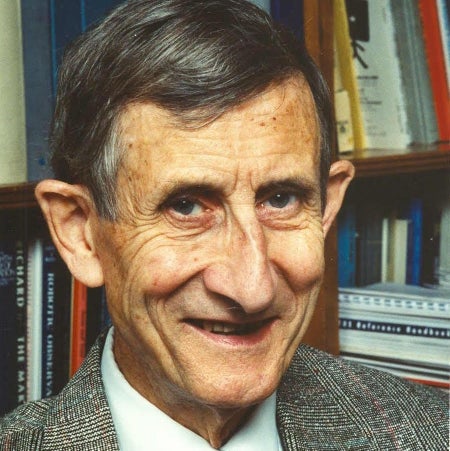
Freeman Dyson's Solution to the Problem of Evil
Dyson’s principle of maximum diversity says that without hardship and suffering, life would be too dull


Africa: Future Worldwide Science Hub
Thierry Zomahoun, president of the African Institute for Mathematical Sciences, talks about the potential and needs of science on the continent.
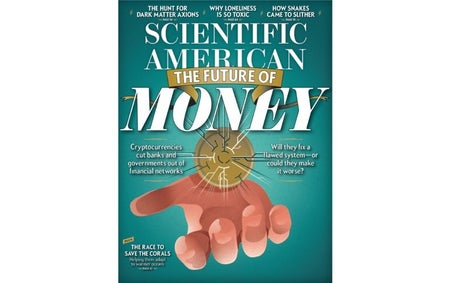
Readers Respond to the January 2018 Issue
Letters to the editor from the January 2018 issue of Scientific American
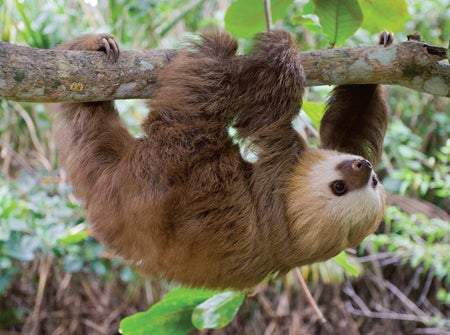
Debunking Animal Myths, the Truth about Time and Other New Science Books
The latest book recommendations from Scientific American

Humans Evolved but Are Still Special
Brown University biologist and author Ken Miller talks about his new book The Human Instinct: How We Evolved to Have Reason, Consciousness and Free Will.
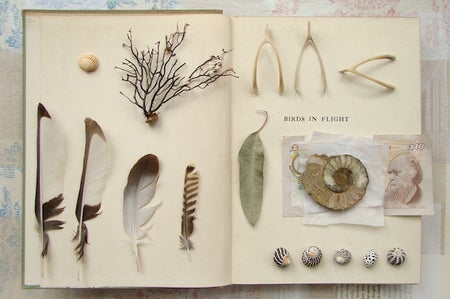
The Future of Science Storytelling
Science is messy, full of plot twists and competing interpretations—and the way we talk about it should reflect that truth
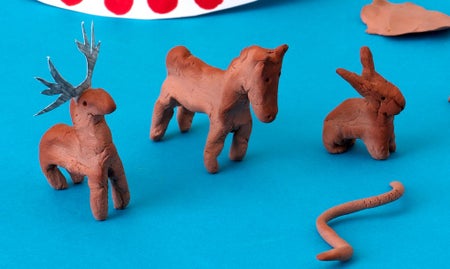
Culture Shapes Kids' Views of Nature
In a study of children interacting with toy animals Native American kids and non-Native kids imagined the animals very differently.
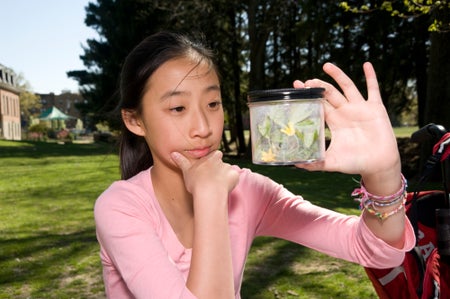
Can You Explain Climate to an 11-Year-Old?
Seven scientists did it well enough to become finalists in an international competition
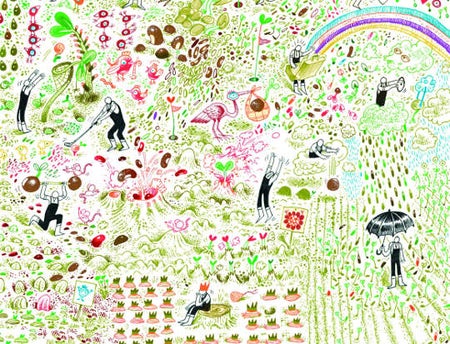
A Big Garden: A Where's Waldo? World of Botany and Whimsy
Deeply weird but beautifully illustrated new children’s book channels Hieronymous Bosch
Math, Music and Imagination
Math can be experienced as play much as music is—just what’s needed to enlarge the tribe of creative problem solvers in mathematics and other human disciplines

STEM Is Far More Than the Lone Genius
What if kids pictured STEM careers like getting to spend every day talking to people who are just as excited about space, dinosaurs or butterflies as they are?