The latest neuroscience tracks where the disease begins and how it progresses
Katie Peek
Jolygon/iStock
This article was produced in partnership with the Davos Alzheimer’s Collaborative by Scientific American Custom Media, a division separate from the magazine’s board of editors.
Join Our Community of Science Lovers!
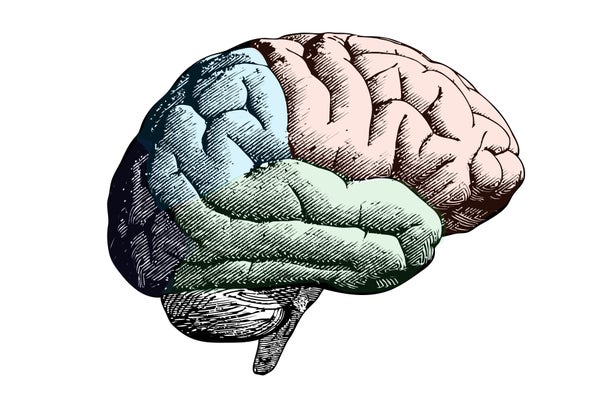
Alzheimer’s disease impairs a patient by destroying neurons, which otherwise live for decades, and by disrupting communication among the remaining brain cells. As neurons die, the areas of the brain they constitute begin to atrophy. A detailed picture of the progression is still under investigation, and the disease follows different tracks in different patients, but researchers have found brains afflicted with Alzheimer’s typically atrophy along the same basic pattern. A better understanding of that pattern may provide the foundation for methods to diagnose the disease earlier, which in turn would give medication and lifestyle changes the best chance of slowing dementia. In broad strokes, here’s how Alzheimer’s tends to change a brain.
This article is part of The New Age of Alzheimer’s, a special report on the advances fueling hope for ending this devastating disease.
Learn more here about the innovation ecosystem that Davos Alzheimer’s Collaborative is building to speed breakthroughs and end Alzheimer’s disease. Explore the transforming landscape of Alzheimer’s in this special report.
Subscribe to Support Independent Journalism
Great science journalism requires human expertise, time, effort and creativity. And it costs money. That’s why I and the journalists here at Scientific American hope you’ll join our community.
When you subscribe, you are supporting staff and freelance journalists who are passionate about telling science stories that are true, important and compelling. Our editors and reporters are often experts in their fields, which means they understand the nuances of big discoveries and can untangle the breakthroughs from the hype. With a subscription, you are also supporting rigorous fact-checking to ensure the words we publish are precise and accurate. And you’re supporting original illustrations, graphics and photos that bring you closer to an advanced laboratory, an ice sheet in Antarctica or a space mission in orbit. You’re helping us craft other types of high-quality journalism as well: Our newsletters are carefully written, edited and curated by staffers you have or will come to know and love. Our Science Quickly podcast is based on original reporting, collaboration with editors and scientists and exacting production.
Subscriptions keep this engine running so we can continue to deliver thoughtful, rigorous and independent science journalism to you. In an era of viral misinformation, this work is crucial. If you value what we do, I hope you’ll consider joining us as a subscriber
Thank you,
Jeanna Bryner, Editor in Chief, Scientific American