Space & PhysicsFebruary 5, 2018
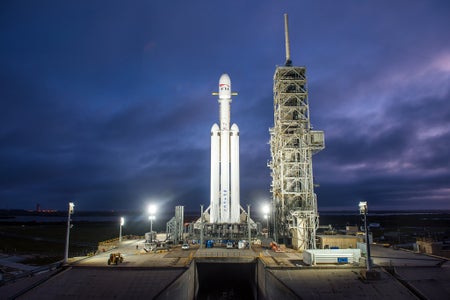
SpaceX Falcon Heavy Rocket Will Attempt a Triple Landing
If successful, the rocket’s first test flight will include three boosters flying back to Earth
SpaceX Falcon Heavy Rocket Will Attempt a Triple Landing
If successful, the rocket’s first test flight will include three boosters flying back to Earth
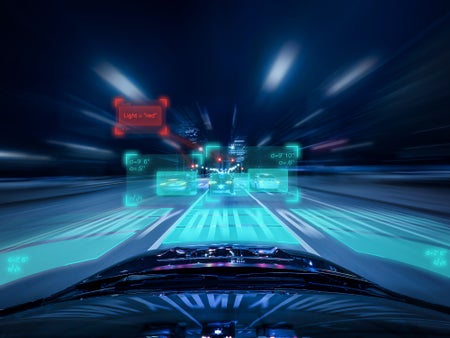
Are Autonomous Cars Really Safer Than Human Drivers?
Most comparisons between human drivers and automated vehicles have been at best uneven—and at worst unfair


Proposed Space Station Aims for the Moon and beyond
The ambitious plan to send astronauts to lunar orbit has drawn skepticism
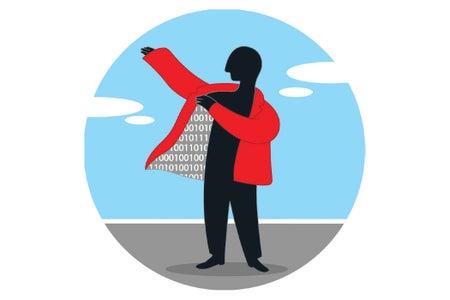
How Many Gigs are You Wearing?
Magnetic clothing could be used to store passwords and other data
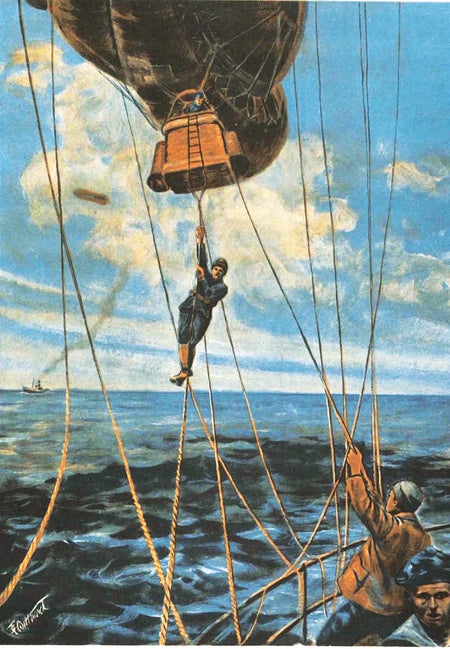
Buying into Nuclear Power; Selling American Cars in Japan; Advocating for Nitroglycerin
Innovation and discovery as chronicled in Scientific American
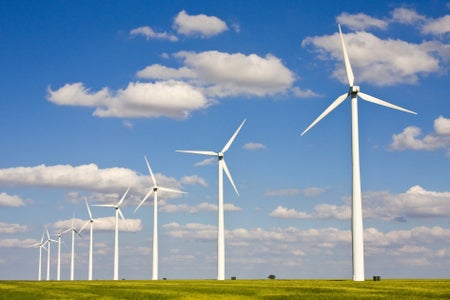
A Future for American Energy
At the first Science Meets Congress event, Energy Solutions for a Sustainable Future, energy and innovation experts from academia, government and the private sector talked with Scientific American Editor in Chief Mariette DiChristina about American's energy future.
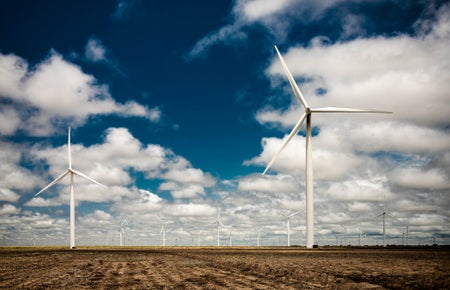
Texas Got 18 Percent of Its Energy from Wind and Solar Last Year
For years critics have claimed grid costs and stability will spiral out of control before we hit 20 percent renewable energy. Texas is proving them wrong

Quantum Epistemology for Business
To truly understand data, we need to rethink what we mean by "measurement"
For AI to Get Creative, It Must Learn the Rules—Then How to Break ‘Em
New artificial intelligence systems are using “adversarial networks” to develop creativity and originality by more fluidly mixing and matching real-world information
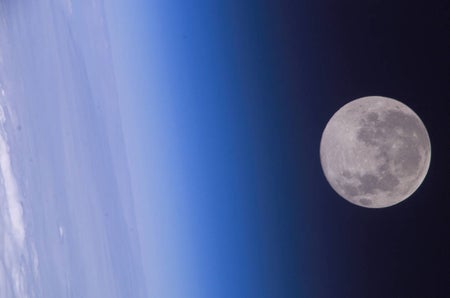
EX-PRIZE: Google's $30-Million Moon Race Ends with No Winner
After more than a decade of activity, the Google Lunar XPRIZE is concluding—but the race to the moon continues
How to Hack an Intelligent Machine
AI scientists try to trick smart systems into making dumb gaffes
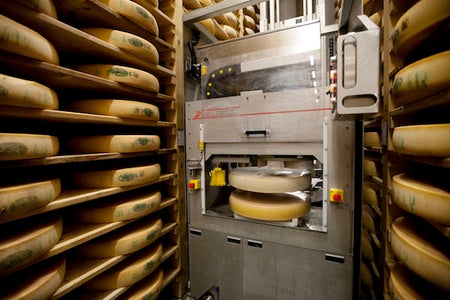
I Am a Roboticist in a Cheese Factory
You probably think of them as AI-driven, autonomous machines, but that's far too limited a view