The UniverseAugust 23, 2024
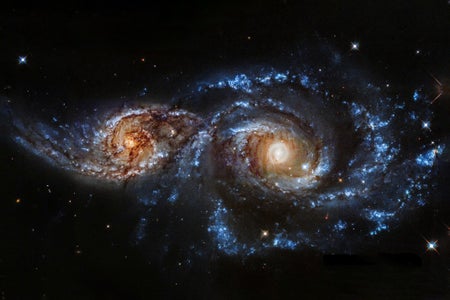
Will the Milky Way and Andromeda Galaxies Ever Collide?
Andromeda and the Milky Way may collide, or they may safely swing past each other. Time will tell
Will the Milky Way and Andromeda Galaxies Ever Collide?
Andromeda and the Milky Way may collide, or they may safely swing past each other. Time will tell
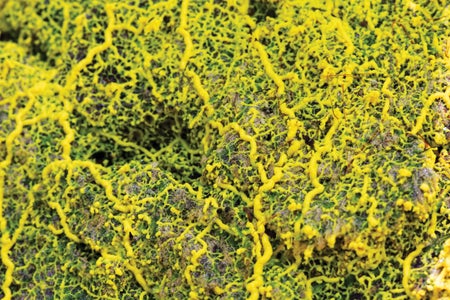
Slime Mold Helps to Map the Universe’s Tendrils of Dark Matter
A single-celled organism’s pathfinding reveals connections in the universe’s vast “cosmic web”

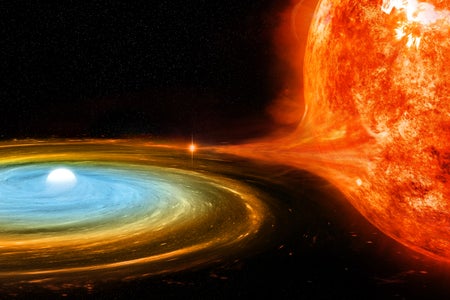
How Do Stars Really Die?
There’s more than one way for a star to die. Some go with a whimper, and some go with a very, very big bang
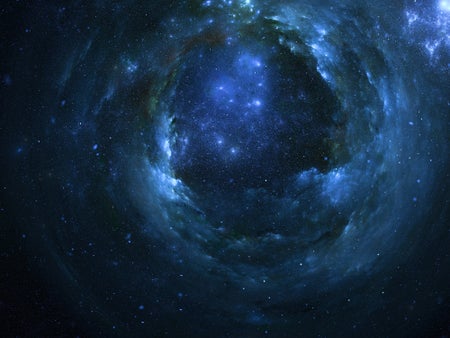
This Equation Shows That the Universe Will Run out of Stars
The cosmos is dark. The Lilly-Madau diagram reveals that it will become much darker still
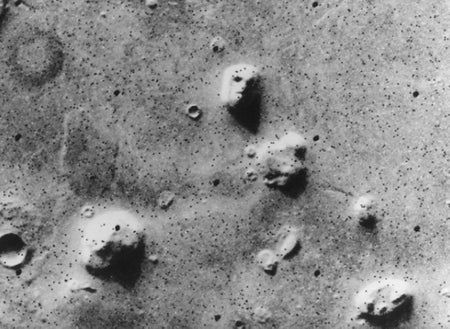
The Face on Mars and Other Cases of Cosmic Pareidolia
The human brain loves seeing patterns, even when they aren’t really there
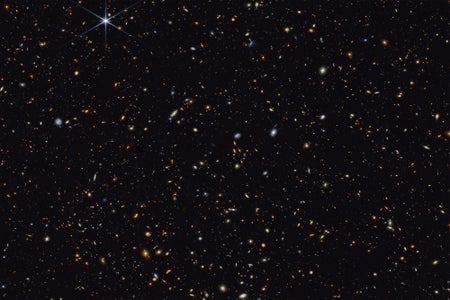
JWST’s ‘Little Red Dots’ Offer Astronomers the Universe’s Weirdest Puzzle
The James Webb Space Telescope’s search for the earliest stars and black holes has yielded a very weird, very red, puzzle
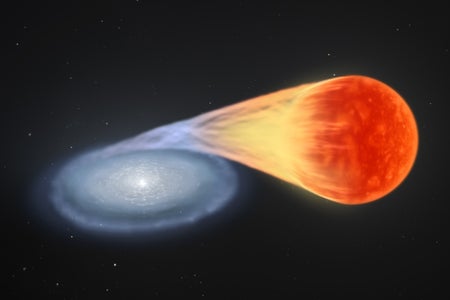
Supernova Slowdowns Confirm Einstein’s Predictions of Time Dilation
Analyzing 1,504 supernovae into the distant universe, astronomers have shown the clearest evidence yet for cosmological time dilation as predicted by Einstein
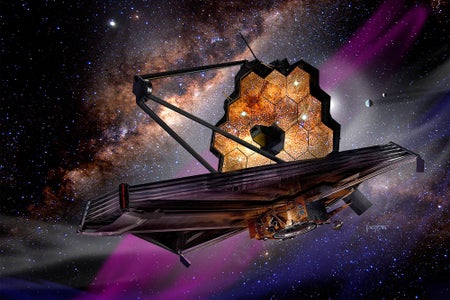
JWST Detects the Earliest, Most Distant Galaxy in the Known Universe—And It’s Super Weird
NASA’s James Webb Space Telescope observed an unusually large and highly luminous galaxy at a record-breaking 290 million years after the big bang
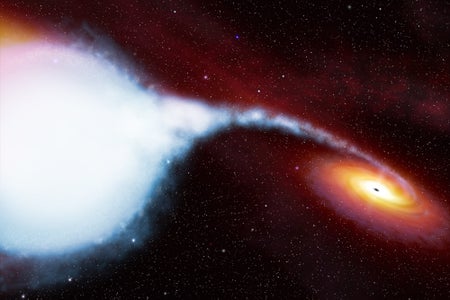
How Can You ‘See’ a Black Hole?
How do astronomers find the darkest objects in the universe?
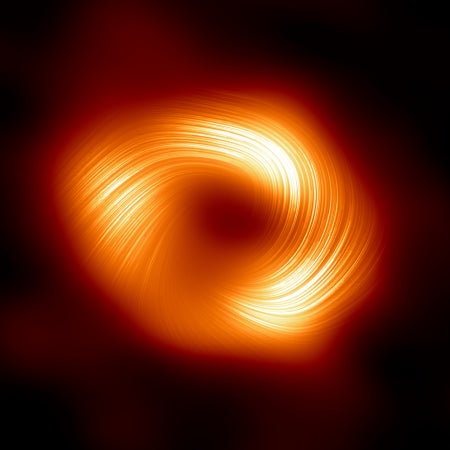
Our Galaxy’s Biggest Black Hole Just Got a New Close-up. What’s Next Could Be Even Wilder
As the Event Horizon Telescope pursues ambitious upgrades, the project’s latest results reveal the magnetic fields around our galaxy’s supermassive black hole
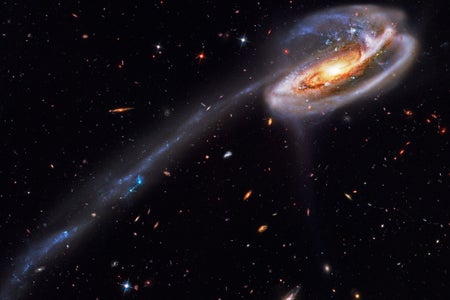
How Tides Move Heaven and Earth
The ocean’s twice-daily rise and fall is only the most obvious effect of tides—they slow Earth’s spin and shape stars and galaxies, too
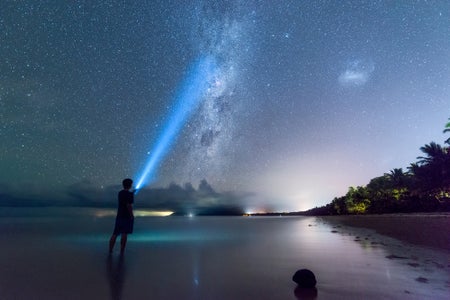
Do Stars Outnumber the Sands of Earth’s Beaches?
Figuring out whether there are more stars in the universe than sand grains on Earth’s seashores requires math—and imagination