Extraterrestrial LifeOctober 28, 2025
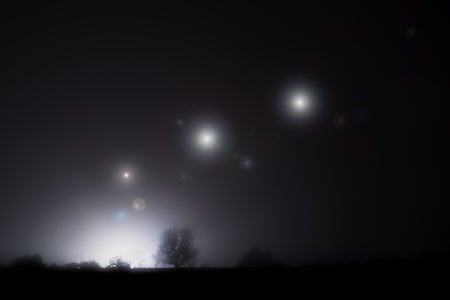
UFOs Are Just One Explanation for Mysterious Patterns in Old Telescope Data
New peer-reviewed research reporting strange lights in the pre-space-age sky is sparking curiosity and controversy
UFOs Are Just One Explanation for Mysterious Patterns in Old Telescope Data
New peer-reviewed research reporting strange lights in the pre-space-age sky is sparking curiosity and controversy
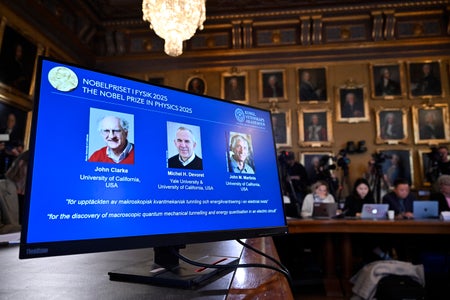
How the Physics Nobel Recognized Quantum Weirdness and Avoided Hype
The Nobel Prize in Physics for 2025 honors scaled-up quantum physics—while sidestepping controversies swirling around quantum computing


Meet the Mother of Modern Forensic Science Who Made Crime Scene Dioramas
How a determined socialite, inspired by true crime, helped professionalize the field of murder investigations

What Happens When an Entire Generation of Scientists Changes Its Mind
Total reversals in scientific thinking are rare—but earth-shattering
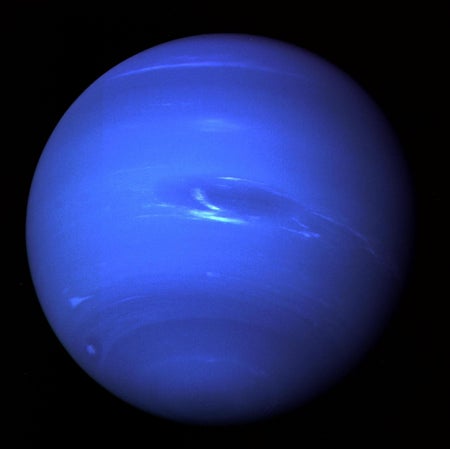
One Year after Scientific American’s First Issue, the Solar System Grew by a Planet
Neptune’s discovery was a race that ended not long after this magazine came to be
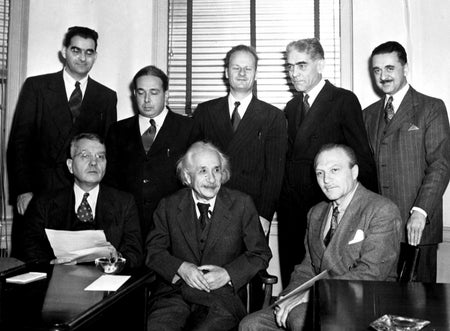
U.S. Science and Scientific American Have Weathered Attacks Before and Won
Federal officials seized 3,000 copies of Scientific American in 1950 in a “red scare” era of attacks on science. The move backfired and offers lessons for today
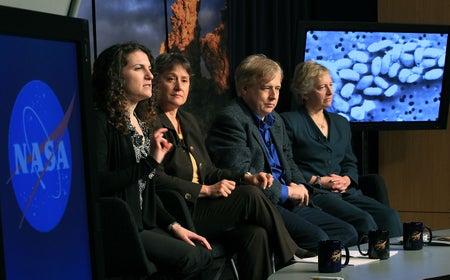
‘Arsenic Life’ Microbe Study Retracted after 15 Years of Controversy
A controversial arsenic microbe study unveiled 15 years ago has been retracted. The study’s authors are crying foul
Science Makes the U.S. a Great Nation
History tells us what happens when great nations attack science
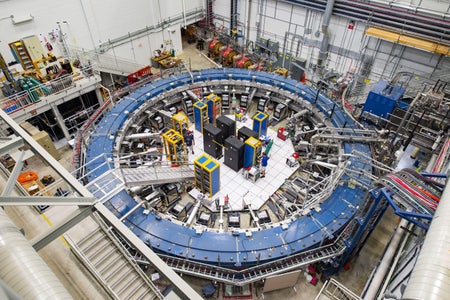
Do Wobbling Muons Point the Way to New Physics?
The most anticipated particle physics result of recent years is here—but the real news came one week before: the “muon g–2 anomaly” might have never existed
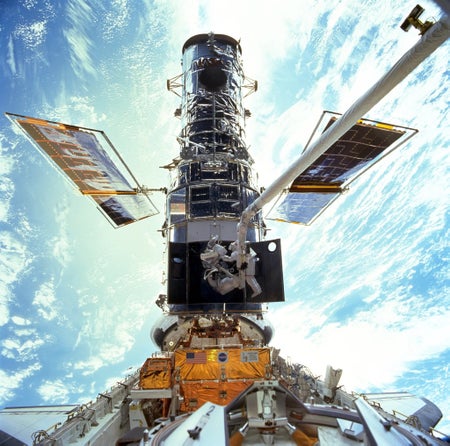
Why Do We Launch Space Telescopes?
Telescopes in space give us a view we literally cannot get from the ground
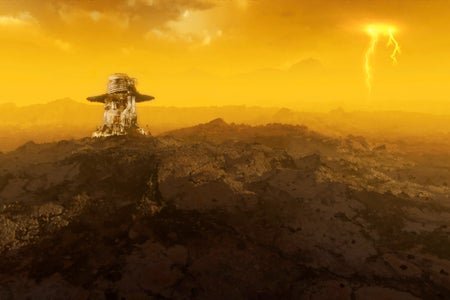
This Soviet Spacecraft Will Soon Crash-Land on Earth
Kosmos-482, a failed mission to Venus from the former Soviet Union that stalled in Earth orbit in the 1970s, is about to fall back to our planet. Exactly where or when it will strike, however, remains unknown
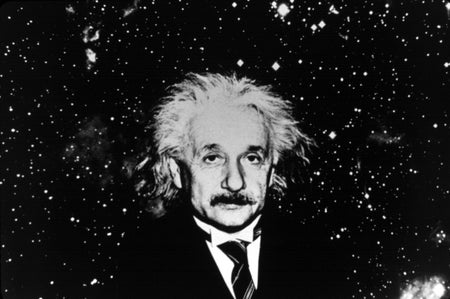
Here’s What Einstein Would Tell Trump
Einstein offers a lesson for scientists who are protesting an out-of-control nationalist administration attacking U.S. science today