ConsciousnessJanuary 20, 2026
Why consciousness is the hardest problem in science
Will brain science deliver answers about consciousness or hit another wall?
Illustration by Thomas Parsons/Science Photo Library/Getty Images
Special Editions are reserved for Unlimited subscribers. We invite you to sign in or upgrade your subscription to read this issue.
Why consciousness is the hardest problem in science
Will brain science deliver answers about consciousness or hit another wall?
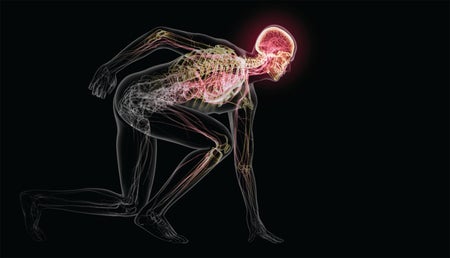
Why your brain needs exercise
The evolutionary history of humans explains why physical activity is important for brain health
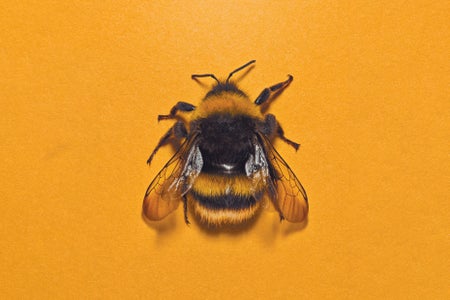
Do insects feel joy and pain?
Insects have surprisingly rich inner lives—a revelation that has wide-ranging ethical implications
Five types of research, underexplored until recently, could produce Alzheimer's treatments
Research into the brain’s protein-disposal systems, electrical activity and three other areas looks promising
Your guide to 29 wildly different theories of consciousness
The many, many ways researchers hope to solve the toughest mystery in science
Ozempic quiets food noise in the brain—but how?
Blockbuster weight-loss drugs are revealing how appetite, pleasure and addiction work in the brain
Damage to a protective shield around the brain may lead to Alzheimer's and other diseases
The blood-brain barrier deteriorates with aging, but animal studies indicate repairs can make old brains look young again
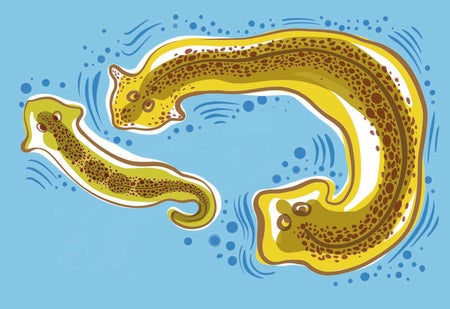
Brains are not required when it comes to thinking and solving problems—simple cells can do it
Tiny clumps of cells show basic cognitive abilities, and some animals can remember things after losing their head
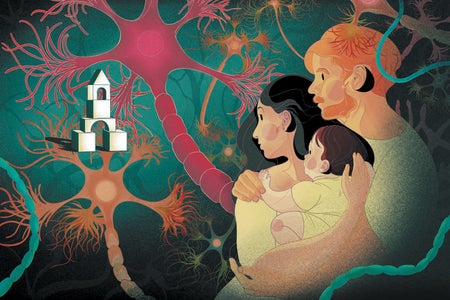
U.S. kids are falling behind global competition, but brain science shows how to catch up
Paid parental leave and high-quality child care improve children’s brain development and prospects for a better future

Some people who appear to be in a coma may actually be conscious
Brain scans reveal that some people who can’t speak or move are aware of the world around them
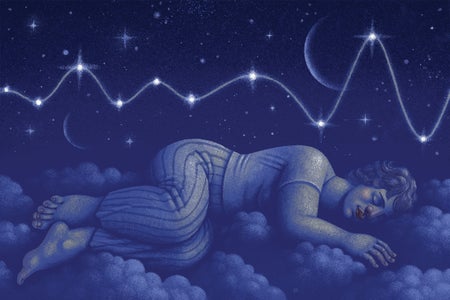
How your brain’s nightly cleanse keeps it healthy
Washing waste from the brain is an essential function of sleep—and it could help ward off dementia

Moving in sync creates surprising social bonds among people
Dancing, rowing and even finger tapping in unison unleash powerful forces in the brain that drive good feelings