Mind & BrainSeptember 1, 2014
Disorganized Brain Cells Help Explain Autism Symptoms
Prenatal brain development may get jumbled in key areas implicated in autism
Disorganized Brain Cells Help Explain Autism Symptoms
Prenatal brain development may get jumbled in key areas implicated in autism
Why We Forget Our Earliest Years
A baby's brain prioritizes learning over forming lasting memories


Head Injury May Cause Mental Illness
A single blow to the head may increase the risk of subsequently developing a disorder
Kids' False Memories Reveal Quirks of Learning
The way kids learn causes them to generate more false memories than adults
On Our Shelf: High Price
Books and recommendations from Scientific American MIND

How to Be a Better Time Manager
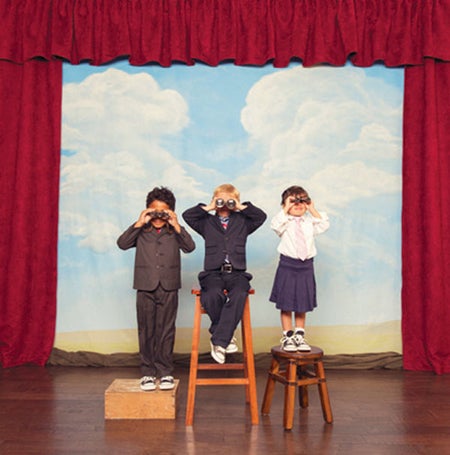
Acting Classes Could Help Kids with Autism
Kids with autism may learn valuable social skills in drama-based therapies

Juneau Where I Am: Scientific American Alaska Cruise, Part 2
Scientific AmericanBright Horizons Cruise 22 arrives in Juneau, Alaska
How #Selfie Culture is Changing Our Lives
We've all done it: We're at an event, we take a bunch of photos with our phones, we take a selfie and maybe one with a friend, we post all the images online, and we're done.
What Makes a Good Scientist? What Makes a Thug?
The other weekend I attended SciFoo Camp at Google in Palo Alto, California. It was a real treat to meet and mingle with nearly 200 other scientists, innovators, science communicators and science facilitators.
Beyond Classic Brain Illustrations That Make Us Drool
I threw down a bit of a challenge last month at the Association of Medical Illustrators Conference in Minnesota. But first, I had to—somewhat unexpectedly—accept some challenges presented by others.
Talking to Myself—Is That Normal?
Talking to yourself again? Savvy Psychologist Dr. Ellen Hendriksen assures you’re not going crazy. You’re simply thinking out loud, which is not only normal, but beneficial