LanguageSeptember 1, 2020
The Language of Science
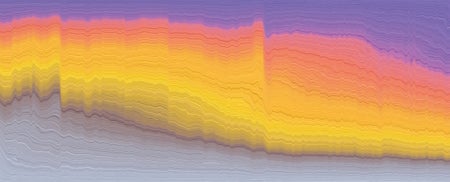
How the words we use have evolved over the past 175 years
The Language of Science
How the words we use have evolved over the past 175 years
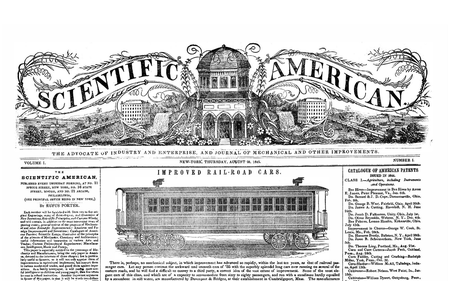
How Scientific American Helps Shape the English Language
The magazine is more widely cited than the King James Version of the Bible by the Oxford English Dictionary

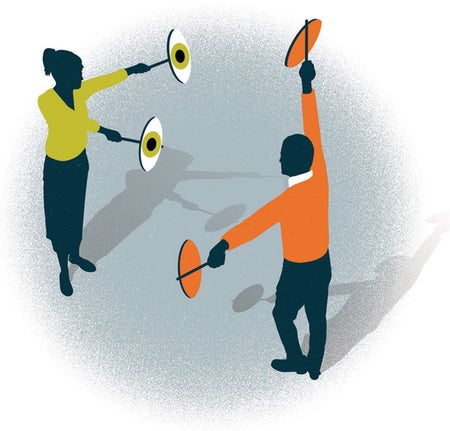
Is It Your Turn to Speak? Watch My Eyes
We signal our intention to speak or pause for a reply by where we direct our eyes

Women Candidates Face Implicit Bias Hurdle
Volunteers taking an "implicit bias" test who were unlikely to associate images of women with leadership titles like executive or president were far less likely to vote for a woman in a race against a man of equal qualification
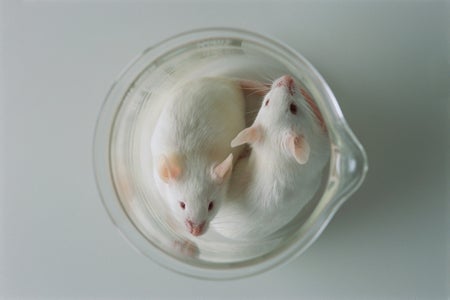
Female Vocalists Are in the (Mouse) House
Careful recordings of mouse interactions find that females vocalize, overturning the long-held view that only males sing during courtship
Why Screams Are So Upsetting
Rapid fluctuations in volume—mimicked by sirens—trigger the brain’s fear centers

The Science of Baby Talk [Video]
A leading researcher talks about what has been learned about how children learn language

Does an M Sound Round to You?
Research shows that some consonants evoke certain shapes no matter what language you speak
How to Rhyme Like a Rapper
Hip-hop artists understand what our ears forgive

How Does Poverty Affect the Brain?
Can neuroscience provide unique insights to help struggling children growing up in lower income families?
Some Rules of Language are Wired in the Brain
In fascinating study involving synesthesia, people make good guesses at meanings of foreign words
Babies Move Tongue to Learn New Tongues
Infants seemed to be able to differentiate between two different "D" sounds in Hindi—but only when their tongue movements weren't blocked by a teething device. Christopher Intagliata reports