
BehaviorSeptember 1, 2016
Generation Z: Online and at Risk?
For today’s teens, more followers online may mean fewer friends in real life—and a path to behavioral and psychological problems later on
Generation Z: Online and at Risk?
For today’s teens, more followers online may mean fewer friends in real life—and a path to behavioral and psychological problems later on
Trouble Sleeping?


You Know Those Parasites That Control Our Brains?
The headlines you've seen about microbes' fiendish abilitiies to take over your mind might be just a tad exaggerated

Most Depressed Adults in the U.S. Remain Untreated
Only 28.7% of those who screened positive for depression received any treatment during the survey year

Getting Off the Hedonic Treadmill
Lowering your expectations can make you happier... but that doesn't mean it's always a good idea
Timing Is Key to Understanding Sensory and Social Issues in Autism
People with autism tend to integrate auditory and visual information over longer windows of time

Can Psychiatry Turn Itself around?
The public is deeply skeptical about the profession—but given the problems of addiction, depression and other forms of mental illness, we need it more than ever

The Need for Human Connection in Digital Mental Health Care
With technology altering the therapeutic bond, something is lost but something else is gained
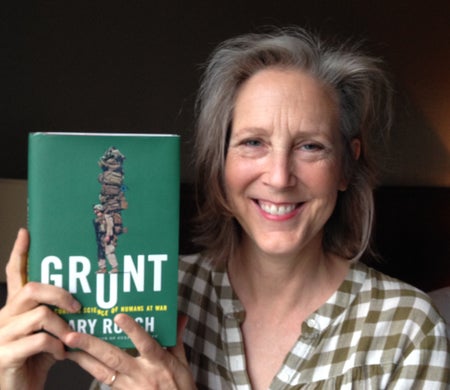
The Science of Soldiering: Mary Roach's Grunt
Best-selling science writer Mary Roach talks about her latest book, Grunt: The Curious Science of Humans at War.
If "Facilitated Communication" Is a Canard, Why Teach It?
Facilitated communication, autism and patients' rights

The 2 Big Beliefs Linked to Anxiety
Worries and fears and stress, oh my! This week, Savvy Psychologist Dr. Ellen Hendriksen reveals the two big beliefs that light up anxiety, plus how to pull the plug

Damage to Pea-Size Gland May Cause PTSD-Like Symptoms
Soldiers’ with traumatic brain injury might suffer from undiagnosed but treatable hormonal disorders