
NeurologyApril 14, 2020
Longevity Gene May Protect against a Notorious Alzheimer’s Risk Gene
Some nominally high-risk individuals may have a lower chance of developing dementia than once thought
Longevity Gene May Protect against a Notorious Alzheimer’s Risk Gene
Some nominally high-risk individuals may have a lower chance of developing dementia than once thought

Introducing the May 2020 Issue
A new era for Alzheimer’s and journalism in the time of coronavirus


How People with Autism Forge Friendships
Most autistic individuals want to and can make friends, though their relationships often have a distinctive quality
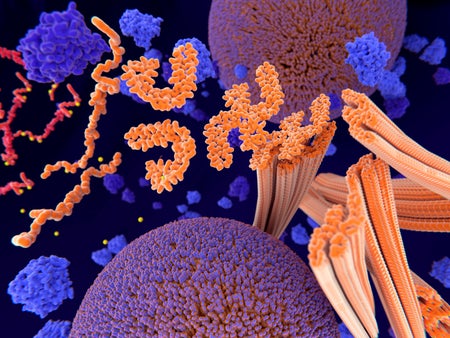
Tau Shows Promise as Achilles’ Heel for Alzheimer’s and Similar Diseases
The protein, once seen as a secondary player, has taken a leading role in combating neurodegenerative illnesses

An Alcoholic Parent Can Affect How a Child’s Brain Switches Tasks
Such children’s neural circuits do not transition properly from an active state to a resting one

What’s in Kale (or a Pear) that Seems to Lower Alzheimer’s Risk?
Particular antioxidants in fruits and vegetables may lower chances of getting the disease
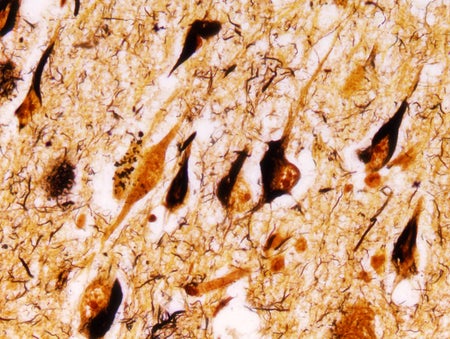
Possible Missing Link in Alzheimer’s Pathology Identified
It may open the door to new treatments and explain why previous ones failed

Glutamate Built the Brain—Can It Treat It, Too?
A complex natural signaling system could help address impulse-control disorders

Brain Scientists Tap Secrets of Staying Healthy while Aging
Promoting “healthspan” involves exercise and games
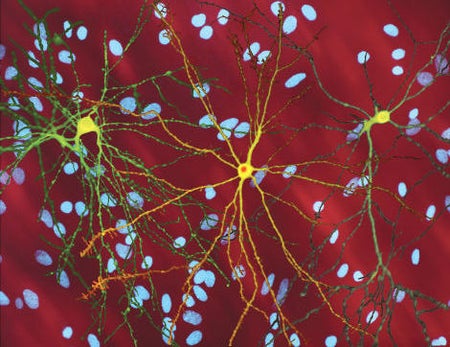
Research Using Brains-in-a-Dish Forces a Radical Rethinking of Huntington’s Disease
The disease may begin in the womb and require treatment early in life
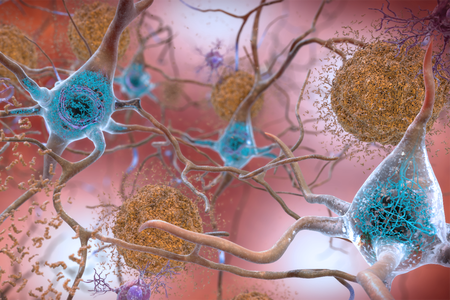
Reassessment of Alzheimer’s Drug Raises Hope—and Concerns
Will the benefits of aducanumab be enough to justify FDA approval, given its small benefit and high price?

It’s Time to Shift Tactics on Alzheimer’s Disease
After a string of drug failures, researchers are looking beyond amyloid as a target