
NeuroscienceSeptember 3, 2018
Misreporting and Confirmation Bias in Psychedelic Research
What do images of the brain under psychedelics really tell us about its relation to the mind?
Misreporting and Confirmation Bias in Psychedelic Research
What do images of the brain under psychedelics really tell us about its relation to the mind?
Are Humans the Only Conscious Animal?
Decoding the puzzle of human consciousness

Blind Except for Movement: Woman’s Injury Offers Insight into How the Brain Works
Milena Canning can see objects only if they are moving, hinting at the inner workings of our visual system
Take a Video Tour of My Lab to Learn How Eye Movements Frame Perception
We feel we see the world around us with high fidelity, all the time. But it's an illusion made possible by our eye movements
Growth Cocktail Helps Restore Spinal Connections in the Most Severe Injuries
Repairing damaged nerves in a rodent study marks a crucial first step toward bringing back lost movement

A 40-Year Quest Uncovers Hearing’s “Holy Grail” Protein
A new discovery shows how sound waves become brain waves—it may help find new therapies for the deaf

Why Is Glioblastoma, the Cancer That Killed John McCain, So Deadly?
Most people diagnosed with the disease survive less than two years
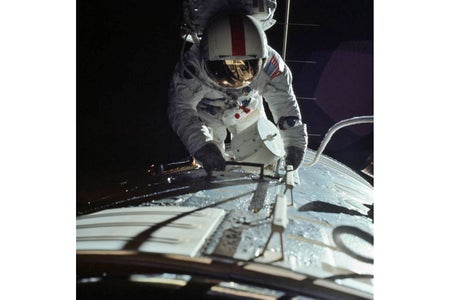
Forget “Manned” Missions—Females May Be More Mentally Resilient in Deep Space
A controversial new study in lab mice hints at sex-based differences in cosmic ray–induced cognitive decline
A Molecular Reason Why Obese People Have Trouble Losing Weight
Fat desensitizes the brain to a hormone that diminishes appetite

How Can We Tell If a Comatose Patient Is Conscious?
Neurologist Steven Laureys looks for signs of consciousness in unresponsive patients
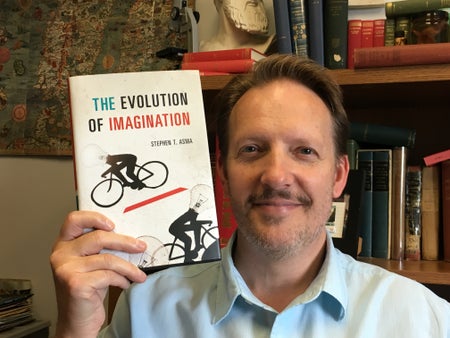
Life at the Improv: The Power of Imagination
Stephen Asma, professor of philosophy at Columbia College Chicago, talks about his two latest books, The Evolution of Imagination and Why We Need Religion.

Sex, Drugs and Self-Control
It's not just about rebellion. Neuroscience is revealing adolescents' rich and nuanced relationship with risky behavior