Planetary ScienceJuly 28, 2022
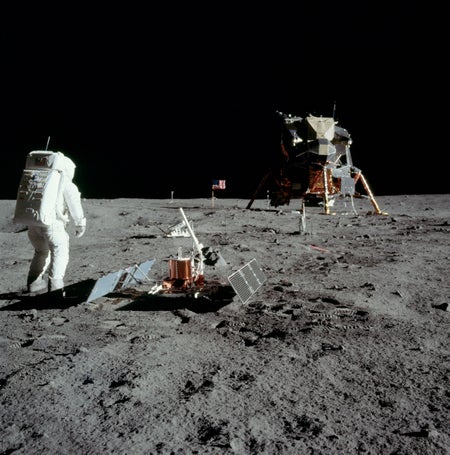
Seismic Missions Could Reveal the Solar System’s Underworlds
Seismology has been a long-overlooked tool in planetary exploration, but the success of NASA’s InSight lander has reignited the field
Seismic Missions Could Reveal the Solar System’s Underworlds
Seismology has been a long-overlooked tool in planetary exploration, but the success of NASA’s InSight lander has reignited the field

New Satellite Is a ‘Swiss Army Knife’ in Space
The hyperspectral probe can pick out extreme detail of materials on Earth’s surface

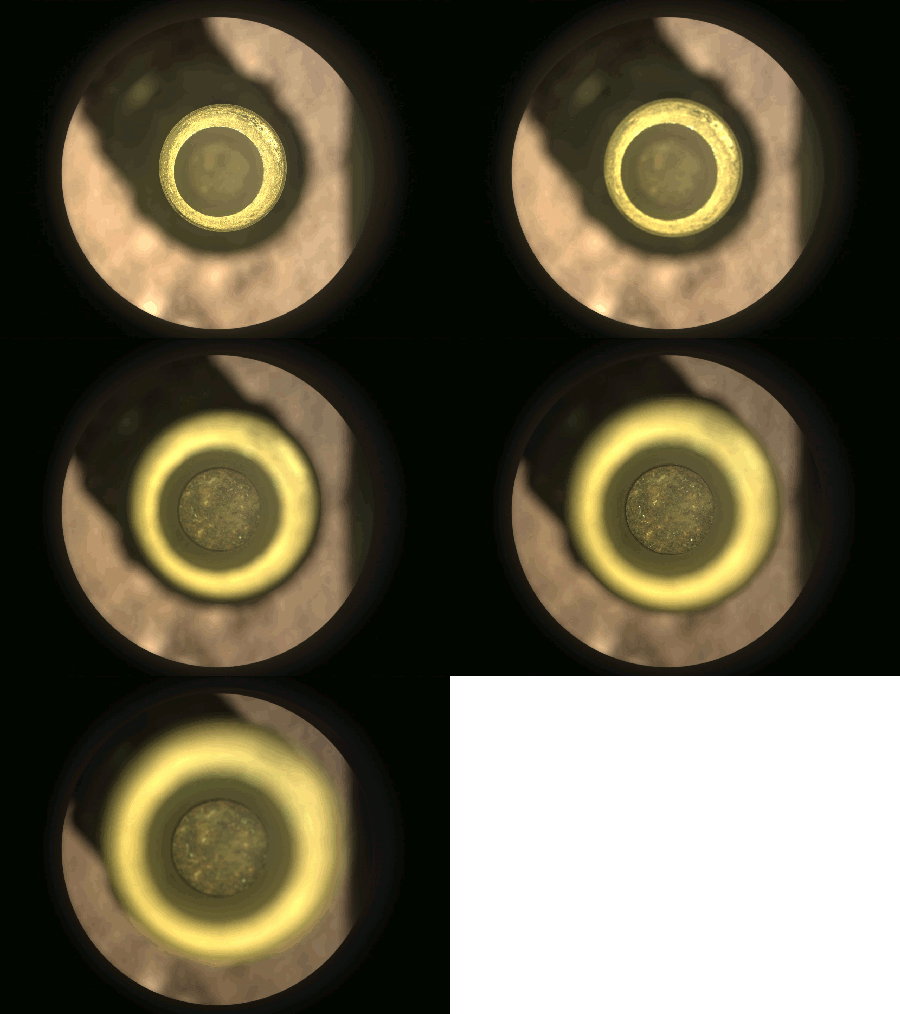
Controversy Grows Over whether Mars Samples Endanger Earth
Planetary scientists are eager to bring Red Planet rocks, soil and even air to Earth, but critics fear the risk of contaminating our world’s biosphere
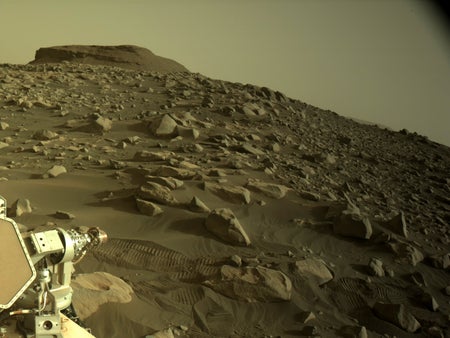
NASA’s Perseverance Rover Begins Key Search for Life on Mars
Rolling up an ancient river delta in Jezero Crater, the rover starts crucial rock sampling.
50, 100 & 150 Years Ago: June 2022
Innovation and discovery as chronicled by Scientific American
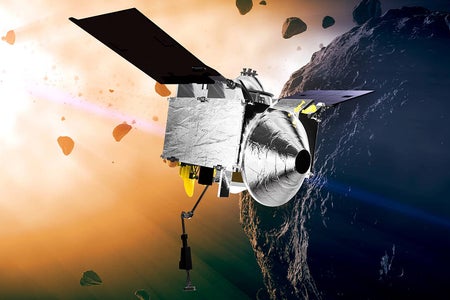
NASA Spacecraft Will Visit Apophis, Once Earth’s Deadliest Asteroid Threat
After delivering extraterrestrial samples to Earth in 2023, OSIRIS-REx will embark on an extended mission to a potentially planet-threatening space rock
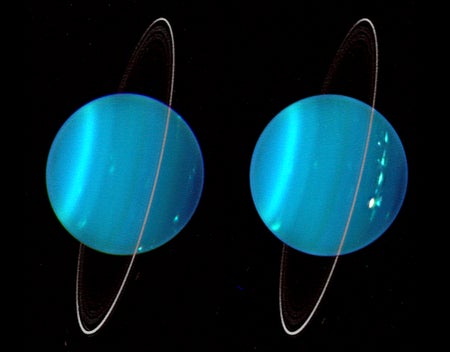
Next Stop, Uranus? Icy Planet Tops Priority List for Next Big NASA Mission
An influential panel’s recommendation makes the ice giant a likely destination for a flagship space mission
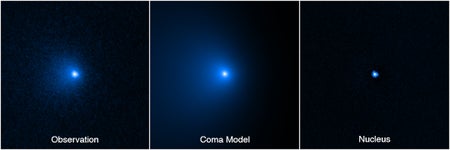
Hubble Confirms Megacomet Bound for Inner Solar System Is Largest Ever Seen
The icy nucleus of Comet Bernardinelli-Bernstein is about 80 miles (129 kilometers) wide
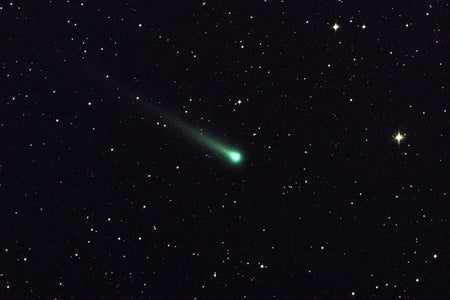
Ukrainian Astronomers Discover ‘Exocomets’ around Another Star
The alien comets could illuminate the history of their planetary system

China’s First Moon Rocks Ignite Research Bonanza
Samples collected by Chang’e-5 are revealing exciting insights into the moon’s evolution
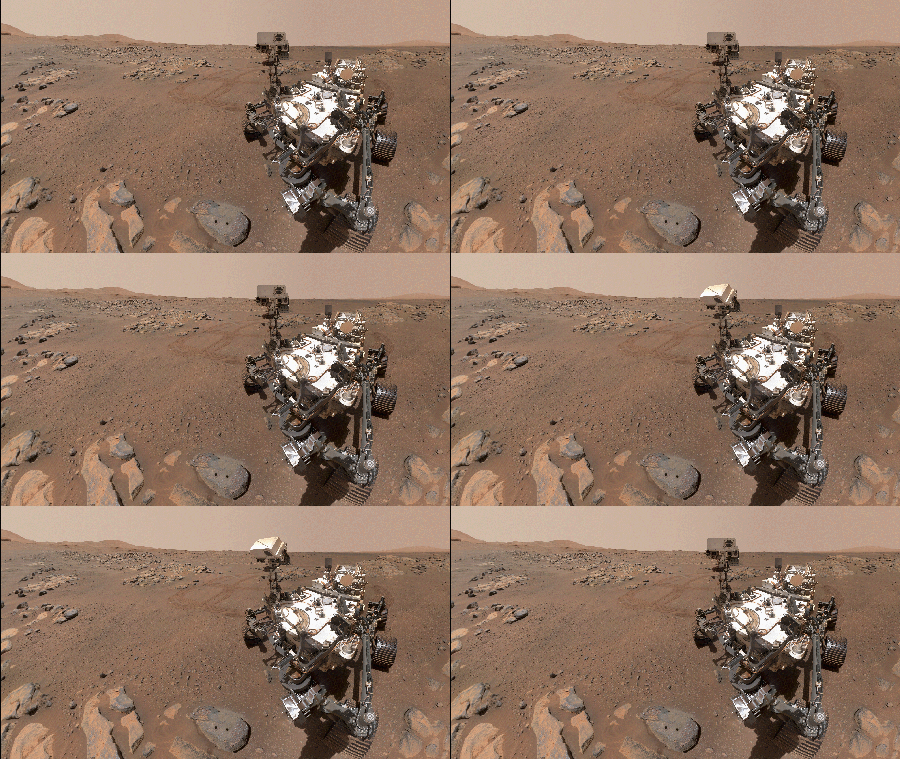
What We Learned from the Perseverance Rover’s First Year on Mars
Despite some unexpected challenges, team members are setting lofty goals for the rover in 2022
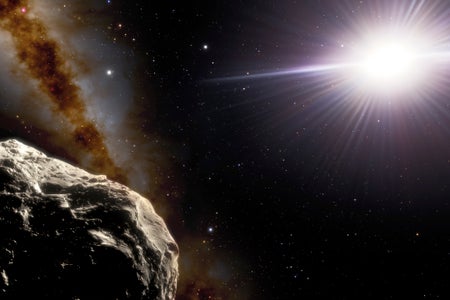
Earth Has a New Asteroid Companion but Not for Long
The Trojan asteroid 2020 XL5 is projected to linger in our planet’s vicinity for the next 4,000 years