

This is Scientific American’s Science Talk, posted on June 20, 2020. I’m Steve Mirsky. Three segments in this episode. We’ll hear from Adam Levy in London about an unexpected lesson we might learn about air pollution from the coronavirus pandemic.
We’ll also listen to a segment sponsored by the Kavli Prize, with a new laureate in Astrophysics, Andrew Fabian, who was honored for his pioneering research into how black holes influence their surrounding galaxies.
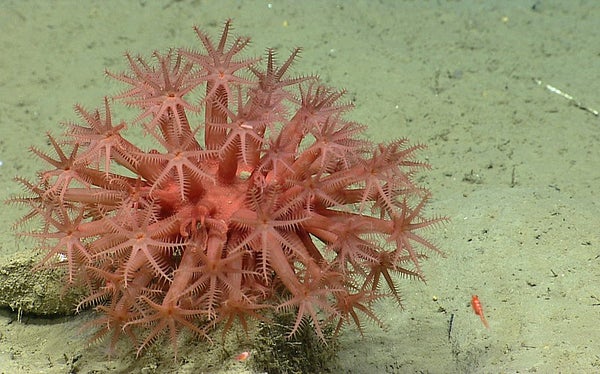
But first, in July of 2017 we we did an episode about the establishment late the year before of the Northeast Canyons and Seamounts Marine National Monument. This month, the Trump administration gutted the protections for that region. Here’s a minute of that 2017 podcast, in which Scott Kraus, vice president and senior science advisor at the Anderson Cabot Center for Ocean Life at the New England Aquarium in Boston, explains what the monument is.
On supporting science journalism
If you're enjoying this article, consider supporting our award-winning journalism by subscribing. By purchasing a subscription you are helping to ensure the future of impactful stories about the discoveries and ideas shaping our world today.
KRAUSS CLIP
On June 9th, in a reaction to the removal of the monument’s protections, Miriam Goldstein wrote an opinion piece for the Boston Globe. Goldstein is managing director for Energy and Environment and the director of Ocean Policy at the Center for American Progress. She has a doctorate in biological oceanography. We spoke about the monument and related issues about the health of our oceans.
GOLDSTEIN SEGMENT
Let’s go now from the deep sea to deep space, with a segment sponsored by the Kavli Prize.
KAVLI SEGMENT
Now over to London, where Adam Levy has been looking up in the air.
LEVY SEGMENT
That’s it for this episode, get your science news at our website, www.scientificamerican.com. Where all of our coronavirus coverage is out from behind the paywall, available free.
And follow us on Twitter, where you’ll get a tweet whenever a new item hits the website. Our twitter name is @sciam. For Scientific American’s Science Talk, I’m Steve Mirsky, thanks for clicking on us.

