
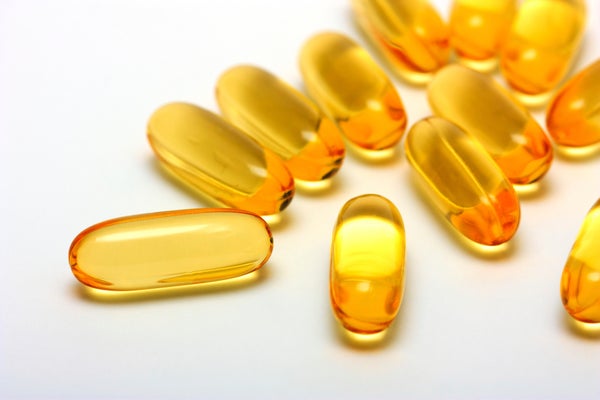

Are you gobbling up antioxidants as part of your diet and nutrition regimen? The benefits may be, well…
“It seems surprising, but even after several decades we don’t have a clear answer, there’s not, if there were really across-the-board powerful benefits we would have seen it, and that’s not the situation.”
Walter Willett. He chairs the Department of Nutrition at the Harvard T. H. Chan School of Public Health. He spoke at a January 15th forum on Cancer and Diet that wound up touching on diet and health in general.
On supporting science journalism
If you're enjoying this article, consider supporting our award-winning journalism by subscribing. By purchasing a subscription you are helping to ensure the future of impactful stories about the discoveries and ideas shaping our world today.
“The studies so far, randomized trials that have been done, don’t show much benefit. There was actually a surprising increase in lung cancer with beta-carotene, one of the antioxidants, in people who smoked and were heavy drinkers, although there was no increase in risk in people…who were generally pretty healthy to start with. So even the randomized trials give different answers…I think…that antioxidants are not a magic solution to cancer or other diseases, but there probably are some benefits. One example is that in a physicians health study randomized trial over 12 years, at the end of that period of time those taking beta-carotene had better cognitive function than people on placebo—a really interesting and potentially important finding.”
So antioxidants may provide some benefits to some people.
“But even if there are, that’s only a small part of the changes that we need to make in diet and lifestyle to reduce our risk of cancers…there are so many other things that are quite well documented.”
The entire hour-long forum featuring Willett and other researchers discussing diet and health is archived online. Just google “Harvard public health forum”.
—Steve Mirsky
[The above text is a transcript of this podcast.]
