
The shape of the beaks of different species of Galapagos finches played an important part in Darwin’s conception of natural selection.
“In our field there is this presumption that the beak shape ... in birds is quite correlated with what they eat and how they eat it—so, their feeding ecologies.”
Guillermo Navalón, a PhD student at the University of Bristol in the U.K. and a co-author of a new study that found that the connection between beak shape and diet isn’t as tight as we thought. The study is in the journal Evolution. [Guillermo Navalón et al., The evolutionary relationship among beak shape, mechanical advantage, and feeding ecology in modern birds]
On supporting science journalism
If you're enjoying this article, consider supporting our award-winning journalism by subscribing. By purchasing a subscription you are helping to ensure the future of impactful stories about the discoveries and ideas shaping our world today.
Navalón and his colleagues analyzed photographs of museum specimens of 176 bird skulls. They looked at beak shape and size in almost all of the orders of modern birds and compared the beaks with other factors, such as feeding behavior and body size. And they found that the beak shape was indeed somewhat tied to what birds feed on and how they eat it—but the relationship was actually surprisingly weak, accounting for just 12 percent of beak shape variation.
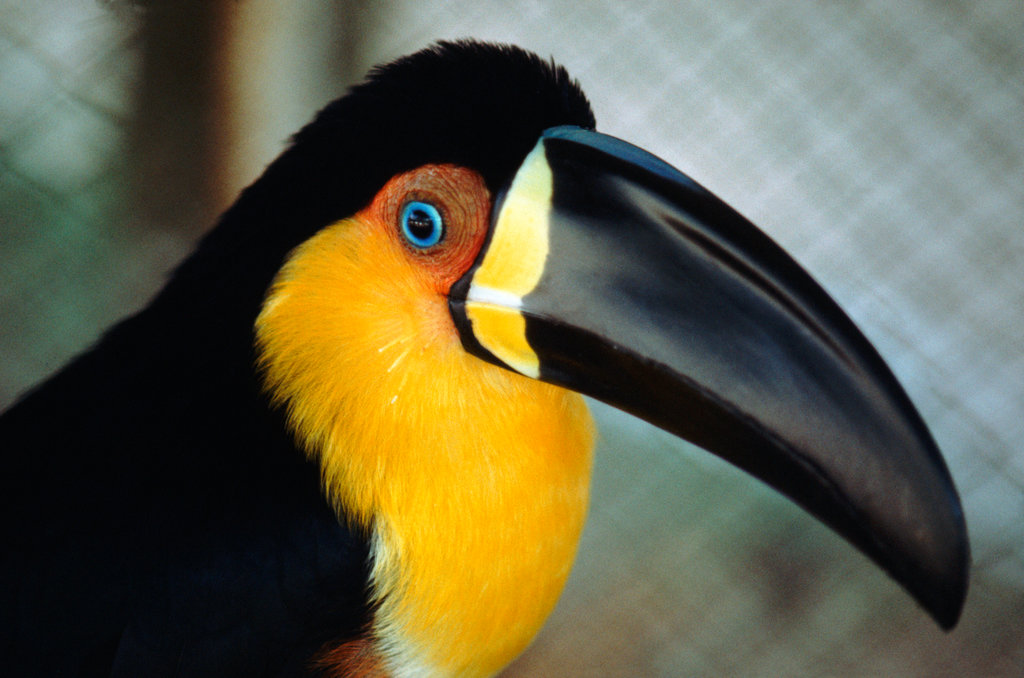
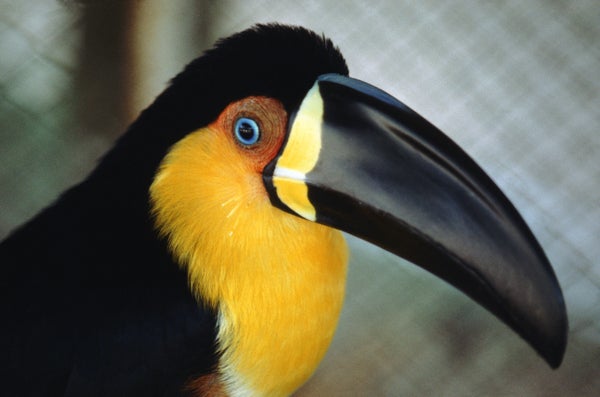
“The explanation that we extract from there is that the beaks are basically surrogate hands in the birds. They are used for a plethora of different functions beyond feeding ecology. Like the beak in general in birds have many other functions, so they use it for display, nest construction, singing, thermoregulation in some cases like toucans or like hornbills ... so there is like a lot of factors that probably have intervened in the evolution of beaks in birds.”
—Annie Sneed
(The above text is a transcript of this podcast)