
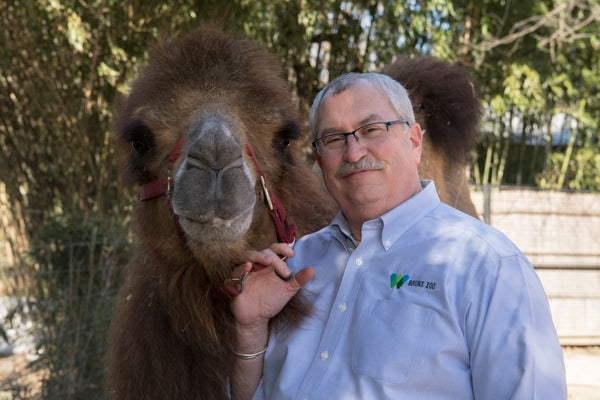

“There are a lot of misconceptions about what zoos and aquariums are today in the 21st century.”
Jim Breheny, Director of the Bronx Zoo—and Executive Vice President & General Director of the Wildlife Conservation Society’s Zoos and Aquarium. The Animal Planet channel recently spent eight months filming in the Bronx to create The Zoo, a series that began airing February 18th.
“We created this show with Animal Planet…to kind of pull the curtain back on what happens behind the scenes in a modern zoo. We wanted to invite Animal Planet and its viewers…to meet our animals, the meet the staff that cares for them and to see all the different skills, expertise and passion, really, that these people bring to caring for our animals.
On supporting science journalism
If you're enjoying this article, consider supporting our award-winning journalism by subscribing. By purchasing a subscription you are helping to ensure the future of impactful stories about the discoveries and ideas shaping our world today.
“But more than that it goes one step further. What we do every day is relate the animals that we have in our zoos and aquariums and the exhibits that we have for people to see, we relate those animals in those exhibits to the conservation struggles going on with species in the wild. And we try to get people informed and involved, and to help us in our mission to save species around the world.”
Five episodes of The Zoo have already aired, with new episodes Saturdays at 10 P.M. Eastern time. And to catch what you may have already missed, checked out the marathon Saturday, March 25th, starting at 11 A.M. Eastern. Episodes are also archived on the Animal Planet website. Don’t forget.
—Steve Mirsky
[The above text is a transcript of this podcast.]
