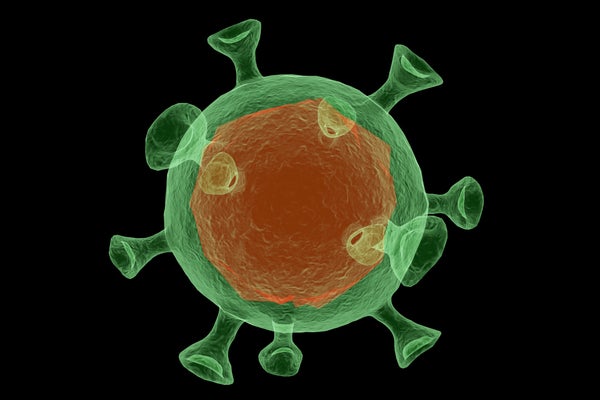
Coronavirus Hot Zone: Research and Responses in the U.S. Epicenter
Scientific American contributing editor W. Wayt Gibbs reports from the U.S. epicenter of the coronavirus outbreak: Kirkland, Wash. In this installment of our ongoing series, he talks with researchers about the efforts to create vaccines and treatments and the challenges the outbreak poses to cancer patients and others who are immunocompromised.
Welcome to the second in our series of coronavirus episodes of Scientific American’s Science Talk, posted on March 14, 2020. I’m Steve Mirsky.
And as in our first episode, I’ll be throwing it over to W. Wayt Gibbs. He's a contributing editor for Scientific American based in Seattle. He also works as a scientific editor.
For the edition, Gibbs spoke with a pediatric infectious disease expert about work on new vaccines and drugs for COVID-19 and the role that children play in disease transmission. Gibbs also talked with the head of infection control for one of the country’s largest networks of cancer centers about the special steps being taken to protect cancer patients and others whose immune systems aren’t functioning at full strength and who suddenly find themselves at increased risk. First Gibbs brings us up to date on life in the hot zone these last few days.
On supporting science journalism
If you're enjoying this article, consider supporting our award-winning journalism by subscribing. By purchasing a subscription you are helping to ensure the future of impactful stories about the discoveries and ideas shaping our world today.
[FULL TRANSCRIPT TO COME]
Subscribe to Support Independent Journalism
Great science journalism requires human expertise, time, effort and creativity. And it costs money. That’s why I and the journalists here at Scientific American hope you’ll join our community.
When you subscribe, you are supporting staff and freelance journalists who are passionate about telling science stories that are true, important and compelling. Our editors and reporters are often experts in their fields, which means they understand the nuances of big discoveries and can untangle the breakthroughs from the hype. With a subscription, you are also supporting rigorous fact-checking to ensure the words we publish are precise and accurate. And you’re supporting original illustrations, graphics and photos that bring you closer to an advanced laboratory, an ice sheet in Antarctica or a space mission in orbit. You’re helping us craft other types of high-quality journalism as well: Our newsletters are carefully written, edited and curated by staffers you have or will come to know and love. Our Science Quickly podcast is based on original reporting, collaboration with editors and scientists and exacting production.
Subscriptions keep this engine running so we can continue to deliver thoughtful, rigorous and independent science journalism to you. In an era of viral misinformation, this work is crucial. If you value what we do, I hope you’ll consider joining us as a subscriber
Thank you,
Jeanna Bryner, Editor in Chief, Scientific American