
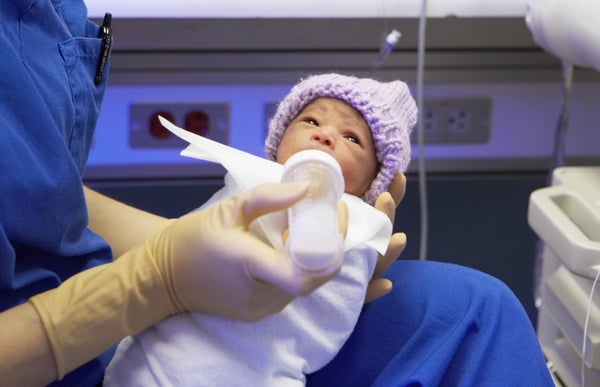

“My book is called Water in May. It’s about a 15-year-old Dominican-American living in Washington Heights named Mari Pujols. And she wants more than anything else to have a baby…and so she’s very excited when she finds out that she’s going to have a baby. And then the doctors tell her her baby has only half a heart.”
Ismée Williams. Dr. Williams is a pediatric cardiologist at Montefiore Hospital in the Bronx. And the author of the young adult novel Water in May.
I met Williams May 19th at the first annual Bronx Book Festival at Fordham Plaza in New York City’s northernmost borough. As with so much so-called young adult fiction, the novel deals with serious issues, including the medical issues surrounding such a heart defect.
On supporting science journalism
If you're enjoying this article, consider supporting our award-winning journalism by subscribing. By purchasing a subscription you are helping to ensure the future of impactful stories about the discoveries and ideas shaping our world today.
“We do surgery for this type of heart problem, which is called hypoplastic left-heart syndrome.”
Forty years ago, 95 percent of infants with the condition died within a month. Now, most of these kids will make it to adulthood—but will also need frequent medical monitoring and care.
Anyone buying the book will support a worthwhile cause, too.
“Forty-thousand kids a year are born with heart defects…I’ve partnered with a group called Colin’s Kids, which raises money for families who are affected by congenital heart disease and are in financial need, and also raises money for research. So five-percent of book sales go directly to them. Because part of my goal for writing the book is also to raise awareness about the number one birth defect, the most common birth defect.”
—Steve Mirsky
[The above text is a transcript of this podcast.]
