

“And with this coronavirus, the hopeful thing is how communities and individuals have gotten together by helping each other.”
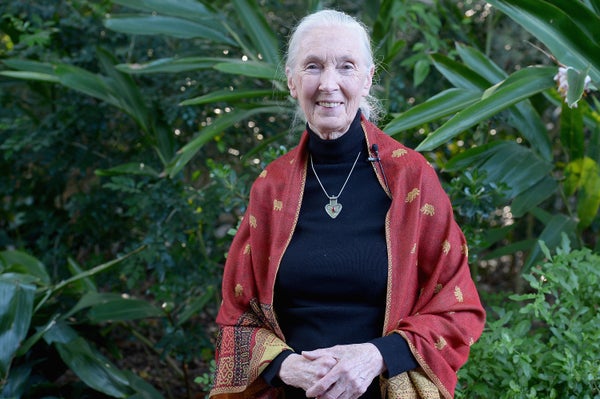
That is Jane Goodall during a teleconference last week. Wednesday, April 22, is the 50th Earth Day. And on Wednesday, Goodall will take part in daylong programming on the National Geographic Channel. During the teleconference last week, she was asked what gives her hope during this pandemic.
“The incredible courage of the people on the front lines—the doctors, the nurses risking and sometimes losing their lives. Of course, we shall get through this. The big hope is that this time we will pay attention to the cause of the pandemic, which is our disrespect of nature and the animals and the destruction of the environment, forcing animals into closer contact with each other and some of them with humans. The trafficking, the hunting, the killing, the wet markets, the intensive animal farms, domestic animals and all of that is creating conditions for a virus to jump from one species to another.”
On supporting science journalism
If you're enjoying this article, consider supporting our award-winning journalism by subscribing. By purchasing a subscription you are helping to ensure the future of impactful stories about the discoveries and ideas shaping our world today.
Goodall was also asked how she hoped the world might change because of the pandemic.
“How I hope it will change and how it changes are two different things in this particular case. I think probably millions of people, especially those living in cities, have experienced, for the first time, what it’s like to breathe fresh air and to see the stars at night and even see wild animals at closer quarters. And I think those people—and I think other people, too—have seen this as a wake-up call that we’ve disrespected nature. And we’ve got to start changing the way that we act, and we’ve got to rethink the way we live.
“We’ve got to get away from this consumerism, materialism that puts economic development ahead of environmental protection, which is damaging the future generations of humans and animals. The fear as to whether this will make a sea change—the fear is that we have so many political leaders around the world right now. And I fear that they will want to get back to business as usual as quickly as possible—and even redouble it to make up for lost time.”
—Steve Mirsky
[The above text is a transcript of this podcast.]
