

[wolf sound]
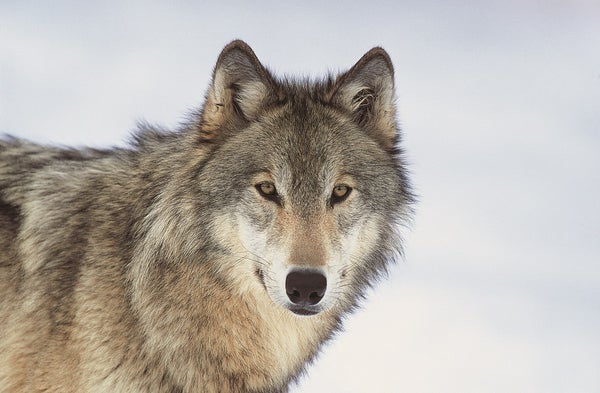
Wolves are vital players in various ecosystems. So we humans need to develop a better tolerance for wolves. And the wolves need more space. That’s according to a new study in the journal Nature Communications. [Thomas M. Newsome et al., Top predators constrain mesopredator distributions]
“The key implication here is it sort of begins to reframe the entire discussion of conservation, because historically, our model has been almost a postage stamp model, where we protect certain areas and try to maintain intact assemblages of animals.”
On supporting science journalism
If you're enjoying this article, consider supporting our award-winning journalism by subscribing. By purchasing a subscription you are helping to ensure the future of impactful stories about the discoveries and ideas shaping our world today.
University of Washington ecologist Aaron Wirsing, who took part in the study. He says the findings could lead to changes in how wildlife and land managers create policy.
“We need to allow predators to occupy more landscapes than just remote, protected areas, on the other hand, we also need to heavily manage them, recognizing that they do conflict with people.”
That’s why Wirsing is not calling for wolves to simply roam free, throughout North America, Europe or Australia—all places the researchers examined that have dealt with conflicts among people, their livestock and wolves. But wildlife management plans should take into account that wolves, although they do sometimes kill ranch animals, can also prevent such deaths—by driving away other predators.
“Worldwide, smaller mesopredators like coyotes, jackals and such, actually themselves prey pretty heavily on livestock and can cause a lot of economic damage.”
So wolves could become a net positive in the relationship with people. If they’re given a chance. [wolf howl]
—Emily Schwing
[The above text is a transcript of this podcast.]
