HealthSeptember 1, 2010
Eternal Fascinations with the End: Why We're Suckers for Stories of Our Own Demise
Our pattern-seeking brains and desire to be special help explain our fears of the apocalypse
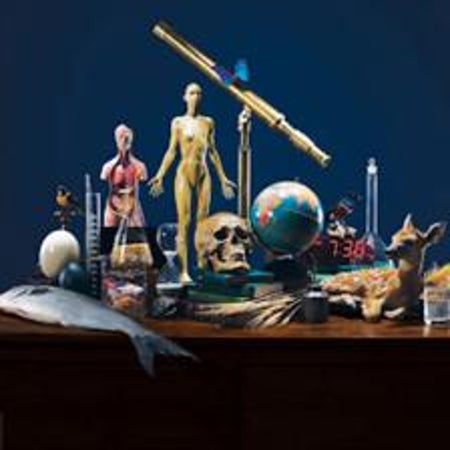
Eternal Fascinations with the End: Why We're Suckers for Stories of Our Own Demise
Our pattern-seeking brains and desire to be special help explain our fears of the apocalypse

Inside the Mind of a Psychopath
Neuroscientists are discovering that some of the most cold-blooded killers aren't bad. They suffer from a brain abnormality that sets them adrift in an emotionless world

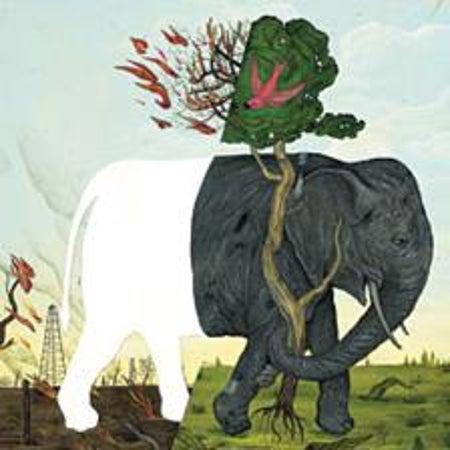
What Comes Next: Experts Predict the Future
The flip side to every ending is a new beginning. We asked the visionary scientists on our advisory board what new trends will shape the decades to come
Calendar: MIND events in September and October
Museum exhibits, conferences and events relating to the brain
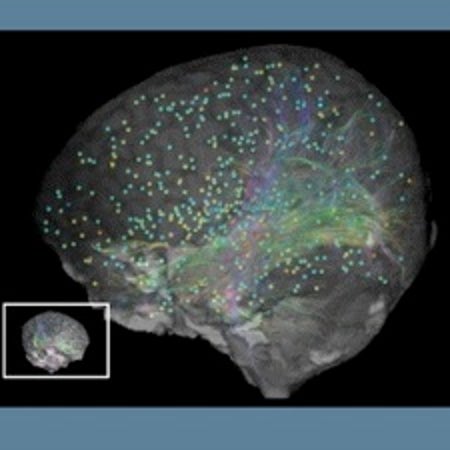
Mapping the Mind: Online Interactive Atlas Shows Activity of 20,000 Brain-Related Genes
A meticulously constructed atlas of the human brain reveals the molecular roots of mental illness—and of everyday behavior
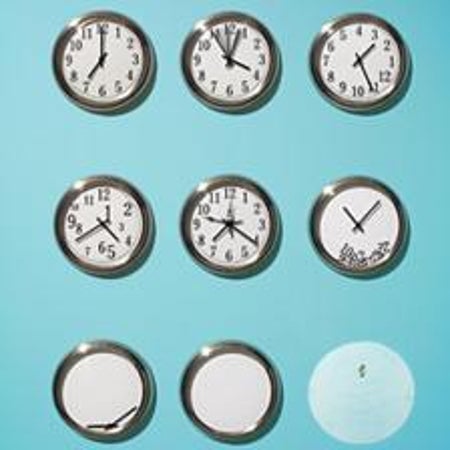
The Paradox of Time: Why It Can't Stop, But Must
For time to end seems both impossible and inevitable. Recent work in physics suggests a resolution to the paradox

Cubicle, Sweet Cubicle: The Best Ways to Make Office Spaces Not So Bad
Why some office spaces alienate workers, whereas others make them happier and more efficient
MIND Reviews: Philosophy Meets Neuroscience
Reviews and recommendations from the September/October 2010 issue of Scientific American MIND
The "Just Do It!" Trap: Why Radio "Docs" Help Few
Why Dr. Phil and Dr. Laura won't solve your problems
Testosterone's Effect on Fair Play...
The "aggression hormone" can sometimes cause people to be nicer to their peers
Depression Drugs Affect Personality
Less neuroticism and more extroversion may be at the root of patients' improvement
Favorite Colors: Color Preference Determined by Desirability of Objects
We like hues that we associate with pleasant things