
PsychologyApril 11, 2026
New study shows how the brain weighs evidence to make decisions
When presented with two different types of decisions, the brain accumulates evidence in a similar way
New study shows how the brain weighs evidence to make decisions
When presented with two different types of decisions, the brain accumulates evidence in a similar way
How to build self-control, according to psychologists
Exercising self-control doesn’t need to be unpleasant, research shows


The curious math that explains why fashion trends always come back around
Fashion’s 20-year trend cycle isn’t just based on vibes; it can be mathematically modeled
AI autocomplete doesn’t just change how you write. It changes how you think
AI-powered writing tools are increasingly integrated into our e-mails and phones. Now a new study finds biased AI suggestions can sway users’ beliefs
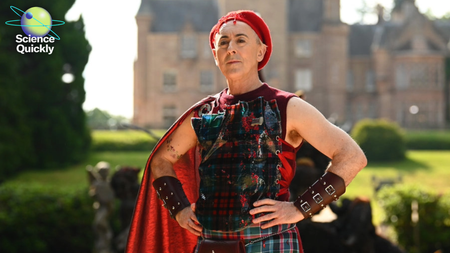
How The Traitors reveals the psychology behind lying
From cognitive overload to pretty privilege, the science behind The Traitors shows what really makes lies believable
Sports gambling could be boosting binge drinking in young men
Men aged 35 or younger who already drink heavily may be even more likely to binge alcohol because of legal online sports betting, a new study has found
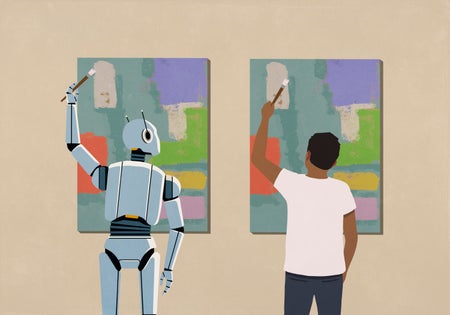
People who know more about AI art find it less ethical
When people understand the system and process behind AI art, its moral implications become harder to accept
Michael Pollan explains why AI will never replicate human consciousness
Michael Pollan tells Scientific American why the science of consciousness may ultimately be too subject to our own conscious minds to crack

Is the key to better aging all in our mind?
Many older adults improve their physical and cognitive health over time, overturning the idea that aging equates to a decline

How to win The Traitors, according to science
Experts say that to win a game like The Traitors, competitors should look for verbal clues over physical ones—and be friendly and open
What science reveals about polyamorous relationships
Discover what researchers have learned about polyamory, what misconceptions people have about such multipartner relationships and how individuals actually navigate them

What we risk when we confuse AI and human intelligence
Putting humans and LLMs head-to-head in classic tests of judgment from human psychology underscores the differences between them