
HealthApril 6, 2009
Churn Baby, Churn: Using Virtual Stomachs to Regurgitate the Mysteries of Digestion
What can computational fluid dynamics teach us about the biggest gap in the science of nutrition?
From the genetics of tomatoes to building meat and stomachs in the lab, a look at the stuff we stuff ourselves with. How is science trying to improve our food, and how it tastes?
Churn Baby, Churn: Using Virtual Stomachs to Regurgitate the Mysteries of Digestion
What can computational fluid dynamics teach us about the biggest gap in the science of nutrition?
Making Mushrooms Environmentally Friendly
Can science keep mushroom farmers from stinking up the Commonwealth of Pennsylvania?
Fiddling with Flavors: Making Healthy Bread Taste Better
Does the secret of flavor lie in the Maillard reaction?
Slide Show: 5 Ways Science Is Trying to Keep Your Food Safe
In the wake of the deadly salmonella outbreak, a look at technologies being developed in the lab to protect us against future eruptions
Chocolatiers Look at Ways to Take Bug-Based Varnish off Candy
Will India's sweet tooth be enough to get dead insects out of our chocolate?
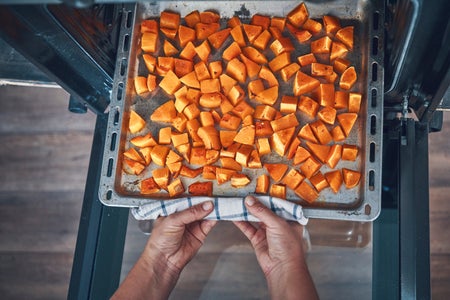
Fact or Fiction: Raw Veggies are Healthier than Cooked Ones
Do vegetables lose their nutritional value when heated?
Sausage without the Squeal: Growing Meat inside a Test Tube
A Dutch laboratory tries to produce pork without the pig
How to Grow a Better Tomato: The Case against Heirloom Tomatoes
The product of archaic breeding strategies, heirloom tomatoes are hardly diverse and are no more "natural" than grocery-store varieties. New studies promise to restore their lost, healthy genes
When It Comes to Living in Space, It's a Matter of Taste
NASA has come a long way from Tang and toothpaste-like chow, but even with more Earthlike vittles, spicy food seems to be a favorite of taste bud-challenged space station crews
Where does blue food dye come from?
The same colorants that are in your blue jeans may also be in your M&Ms