
EnvironmentJune 27, 2010
Are Modern Cities for People or Cars?
The cities of the future might be greener, cleaner and more vibrant if people are put before automobiles. David Biello reports
What will population centers look like in 20 years' time? Innovations in transportation, energy production and technology will have to keep pace with a host of challenges
Are Modern Cities for People or Cars?
The cities of the future might be greener, cleaner and more vibrant if people are put before automobiles. David Biello reports
The Green Apple: How Can Cities Adapt to Climate Change?
New York City--and other major metropolises around the globe--face an epic challenge in coping with the impacts of global warming
Auto Immune: Cities Convert Streets into Pedestrian, Cyclist and Mass Transit Thoroughfares
Automobiles are still part of the American way of life, but in many municipalities other modes of transportation are moving in on what had been car territory
Local Power: Tapping Distributed Energy in 21st-Century Cities
Local energy sources coupled with widespread, inexpensive gadgetry will soon enable cities to become smarter, more sustainable and more self-reliant
A glimpse of a car-friendly urban future, courtesy of--no surprise--a car company
Encourage Walking with Urban Planning
People take cars for walkable trips in part because such trips are boring and unattractive. Better design of the urban environment could create more pedestrians. Karen Hopkin reports
How home solar arrays can help to stabilize the grid, Part 2 of 2
Predictive Modeling Warns Drivers One Hour before Jams Occur
Traffic avoided: Software uses road sensors, GPS and historical traffic data to predict congestion
How home solar arrays can help to stabilize the grid, Part 1 of 2
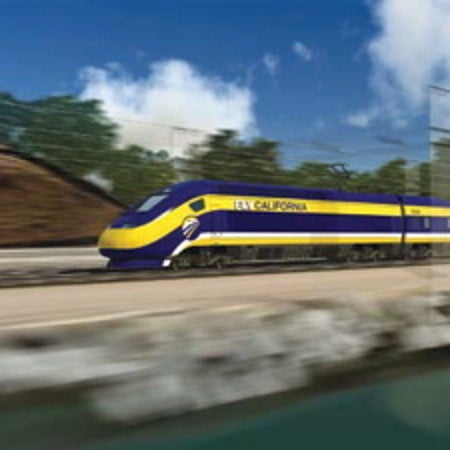
Revolutionary Rail: High-Speed Rail Plan Will Bring Fast Trains to the U.S.
The next wave of high-speed rail lines should do away with the rails altogether, say proponents of magnetic levitation technology
City Dwellers Drive Deforestation in 21st Century
Satellite data reveals that demand from urban areas may be the primary driver of the loss of trees--a shift from the patterns of the past
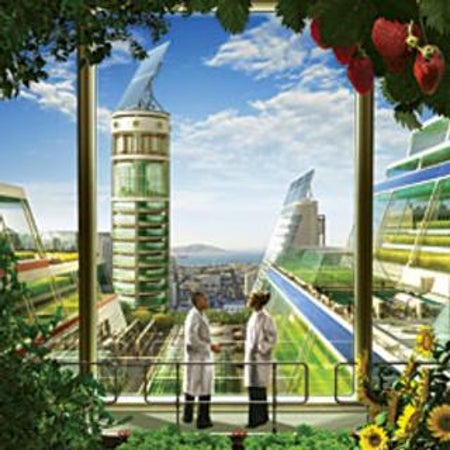
Growing Skyscrapers: The Rise of Vertical Farms
Growing crops in city skyscrapers would use less water and fossil fuel than outdoor farming, eliminate agricultural runoff, and provide fresh food
The Future of Cars
Industry leaders look way down the road
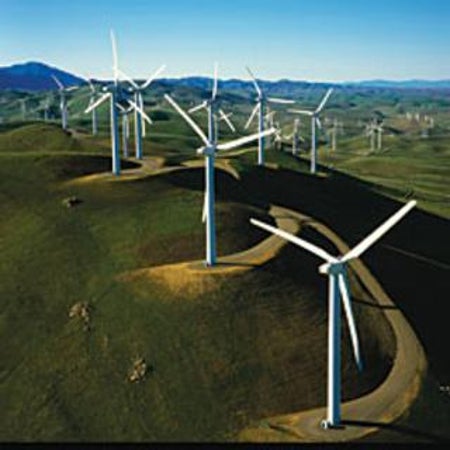
A Plan to Power 100 Percent of the Planet with Renewables
Wind, water and solar technologies can provide 100 percent of the world's energy, eliminating all fossil fuels. Here's how
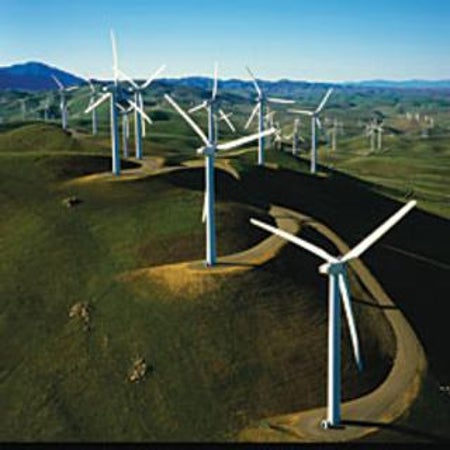
Powering a Green Planet: Sustainable Energy, Made Interactive
The Web-only article below is a special rich-media presentation of the feature, "A Path to Sustainable Energy by 2030", which appears in the November 2009 issue of Scientific American. It was created by FlypMedia.com. Use the arrow in the lower corner to navigate
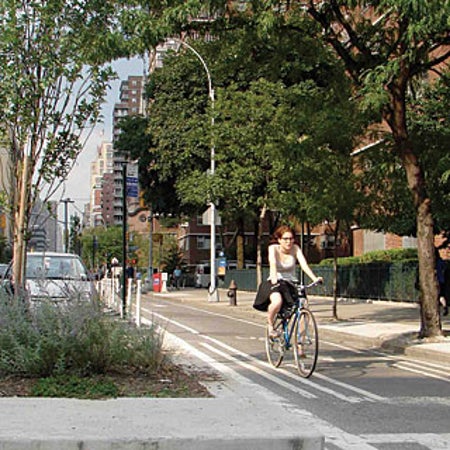
How to Get More Bicyclists on the Road
To boost urban bicycling, figure out what women want
Urban Beekeepers Keep Cities Abuzz with Pollinators
Home sweet home: Not all honeybees work far afield--some are making honey high in the rooftops
Building More Sustainable Cities
Redesigning metropolitan areas as bioregional city-states can reduce our human footprint
Removing Roads and Traffic Lights Speeds Urban Travel
Urban travel is slow and inefficient, in part because drivers act in self-interested ways
Growing Vertical: Skyscraper Farming
Cultivating crops in downtown skyscrapers might save bushels of energy and provide city dwellers with distinctively fresh food
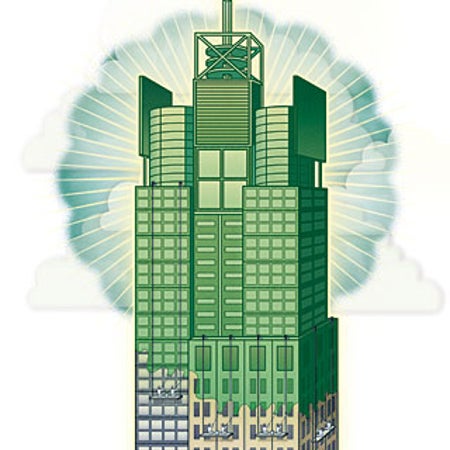
LEED Compliance Not Required for Designing Green Buildings
Constructing buildings to the LEED standard can conserve energy and materials-or be exploited for promotional gain
The Green Space Cure: The Psychological Value of Biodiversity
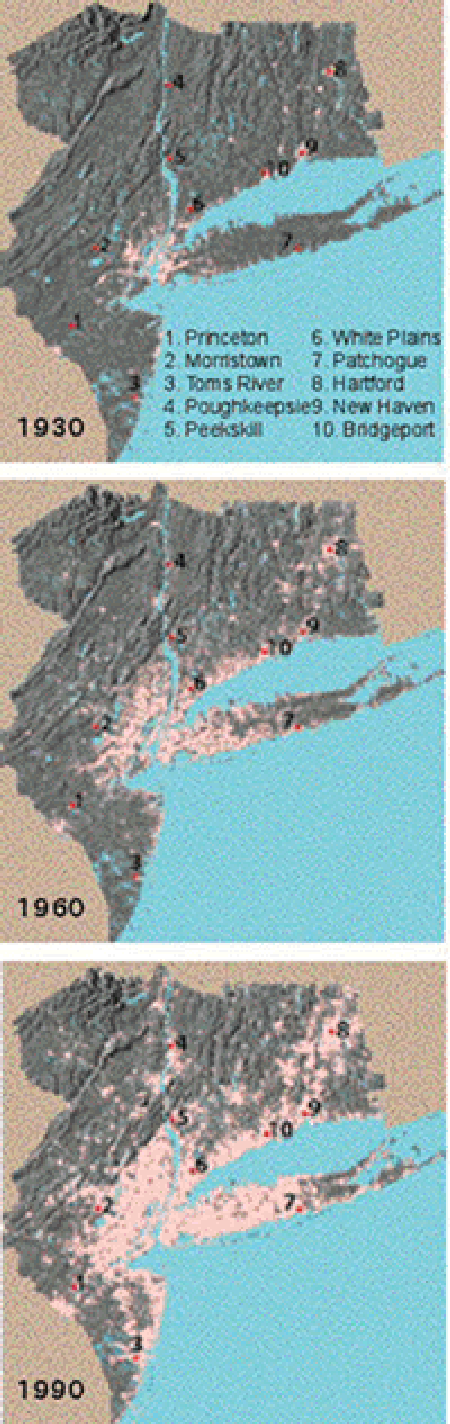
Sprawling into the Third Millennium
Suburbia was a dream inspired by revulsion to city life. Now many suburbs are just as crowded, and sprawl moves on.