FoodDecember 30, 2025
Can ultraprocessed foods be addictive? A neuroscientist weighs in
A neuroscientist explains how highly processed foods may be key to “food addiction.” She also reveals some solutions
Why someone becomes addicted to a substance has long baffled scientists and philosophers. Now leading researchers are getting the clearest picture yet of how addiction works in the brain and body. These insights are the seeds for huge advances in prevention and treatment that were long thought impossible. Hope is on the horizon.

Articles in this report were published with editorial independence. The collection was made possible by the support of WVU Rockefeller Neuroscience Institute.
Eoneren/Getty Images
Can ultraprocessed foods be addictive? A neuroscientist weighs in
A neuroscientist explains how highly processed foods may be key to “food addiction.” She also reveals some solutions

Could Next-Generation Medicines Help Cure Opioid Addiction?
New medications are in the pipeline that could help people win their battles against addictive substances, including opioids
Massive Study Flips Our Story of Addiction and the Brain
Brain differences in children and teens who experiment with drugs early show up before they take their first puff or sip

New Treatments Address Addiction alongside Trauma
A new generation of treatments addresses the trauma that often underlies addiction
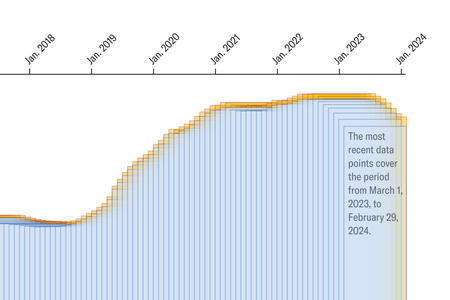
Overdose Deaths Are Finally Starting to Decline. Here’s Why.
Opioid overdoses have fallen since their pandemic peak, according to new data from the past few months

The Opioid Epidemic Is Surging among Black People because of Unequal Access to Treatment
Clinics and the most effective types of therapy are harder to find in communities where people of color live
Fighting Back against the Stigma of Addiction
When health care providers demonize people addicted to drugs or alcohol, it just makes the problem worse