EnvironmentJune 9, 2015
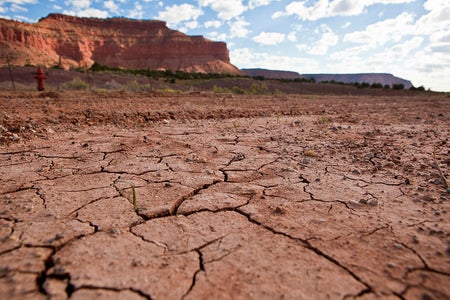
Use It or Lose It Laws Worsen Western U.S. Water Woes
ProPublica's “Killing the Colorado” series examines a 139-year-old water law that pushes ranchers to use as much water as they possibly can, even during a drought
Use It or Lose It Laws Worsen Western U.S. Water Woes
ProPublica's “Killing the Colorado” series examines a 139-year-old water law that pushes ranchers to use as much water as they possibly can, even during a drought

Worst U.S. Bird Flu Outbreak in History Expands to Michigan
State officials report several geese have tested positive for a lethal strain of avian flu, making Michigan the 21st state to confirm a case of the disease

G7 to Support Climate Insurance for Poor
Group of Seven leaders pledged to provide insurance against extreme weather and rising seas for up to 400 million people but remains silent on its plan to raise needed funds

Climate Plan May Transform U.S. Power
Obama administration changes could change how you get your electricity
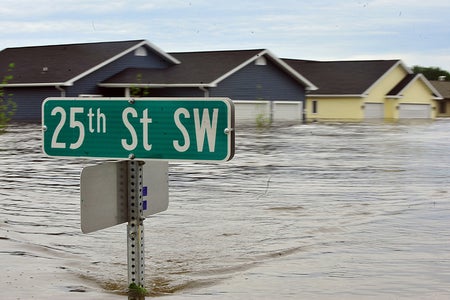
Can Local Officials Who Ignore Climate Change Risks Be Sued?
The act-of-god defense for extreme weather impacts is being challenged in court

Has Maternal Mortality Really Doubled in the U.S.?
Statistics have suggested a sharp increase in the number of American women dying as a complication of pregnancy since the late 1980s, but a closer look at the data hints that all is not as it seems
Lawmakers Approve Spending Bill That Cuts Mars Mission and NOAA
The House of Representatives’ proposal for the National Science Foundation and NASA would take from Earth and social sciences, and give to exploration of Europa and the sun
Fracking Not a "Widespread Risk" to Drinking Water, U.S. EPA Finds
The EPA draft report did, however, warn some drilling activities could potentially cause health risks
Female Libido Drug Approved by FDA Panel
A drug to treat low female sexual desire should be approved with strict measures in place to ensure patients are fully aware of its risks, the advisory panel said
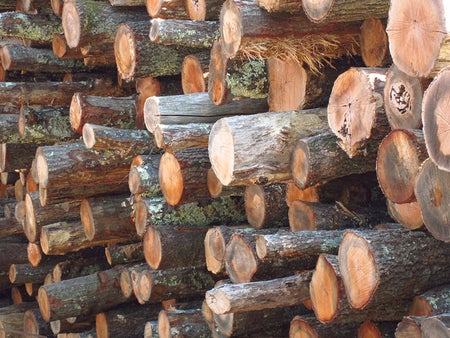
A Story of Wood
Wood has played an important role in the history of civilization. Humans have used it for fuel, building materials, furniture, paper, tools, weapons, and more. And demand for wood continues to increase annually, spurring conflicts between neighboring states over control of shared resources. Our relationship to this resource has remained relatively unchanged over time, and our methods of developing and managing woodlands continue to rely on tried and true techniques established by early civilizations. So perhaps this is why we take it for granted: wood has long been a part of our lives, and we probably can't really imagine it not being there.

Tracing the Path of South Korea's MERS "Patient Zero"
Eight days after returning from a trip to the Middle East, a 68-year-old South Korean man developed a cough and fever
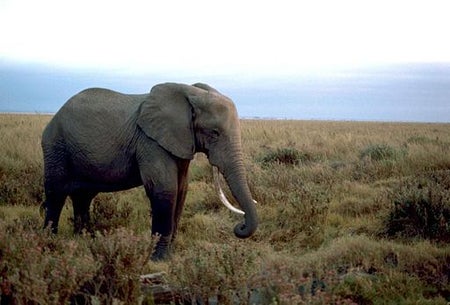
Will China's New Ivory Controls Make a Difference?
Conservationists welcome the nation's move but problems for African elephants remain