
OpinionFebruary 11, 2021
Masks Can Be Detrimental to Babies’ Speech and Language Development
The good news is that parents can take action to compensate
Masks Can Be Detrimental to Babies’ Speech and Language Development
The good news is that parents can take action to compensate
Why It’s So Hard to Make Antiviral Drugs for COVID and Other Diseases
Antibiotics abound, but virus-fighting drugs are harder to come by. Fortunately, scientists are getting better at making and finding them


A Visual Guide to the New Coronavirus Variants
The SARS-CoV-2 coronavirus seems to be suddenly acquiring mutations at a rapid rate. The most worrying variants, first discovered in South Africa and Brazil, increase the virus’s contagiousness and may even help it evade the human immune system. These characteristics are helping the new variants outcompete the original virus, allowing them to spread quickly around the world.
Viruses, including SARS-CoV-2, are constantly evolving and acquiring mutations that don’t affect the virus much. The reason public health experts are concerned is that the new mutations improve the virus’s spike protein, which helps the pathogen enter cells and is the target of most vaccines. If the spike protein evolves sufficiently, the virus may eventually be able to reinfect individuals who have already had COVID-19 or been vaccinated against it.
But scientists say it will likely be years before the vaccine stops working entirely—if it ever does. In the meantime, social distancing remains the best way to fight the new mutants. After all, the more viruses that exist in the world, the greater the chance that one will evolve a dangerous mutation.
In this video, we explain what the new variants actually are, how they arise and spread, and what they could mean for the future of our ability to vaccinate ourselves against the virus.
Why COVID Vaccines Are Taking So Long to Reach You
Bottlenecks in supply chains and difficult appointment-registration systems are slowing distribution
Is It Safe to Delay a Second COVID Vaccine Dose?
Some evidence indicates that short waits are safe, but there is a chance that partial immunization could help risky new coronavirus variants to develop
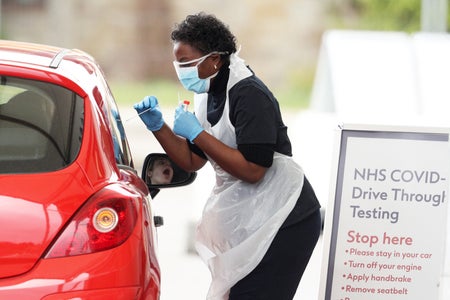
Safely Reopening Requires Testing, Tracing and Isolation, Not Just Vaccines
No matter how effective vaccines are, they are not enough
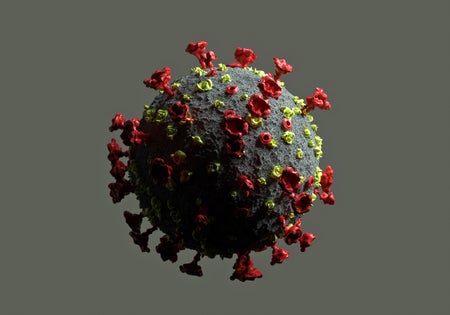
Why the U.S. Is Underestimating COVID Reinfection
Many U.S. states aren’t rigorously tracking or investigating suspected cases of reinfection

The Pandemic Has Caused a Steep Decline in Living Standards
A survey of more than 30,000 households in developing countries shows increased food insecurity

Pregnant during Pandemic: The Bump That No One Saw
Finding meaning for life’s milestones—in my case growing a child—can seem bizarre in COVID isolation
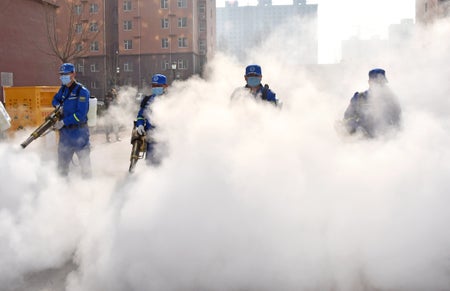
Why Are We Still Deep-Cleaning Surfaces for COVID?
The coronavirus behind the pandemic can linger on doorknobs and other surfaces, but these aren’t a major source of infection
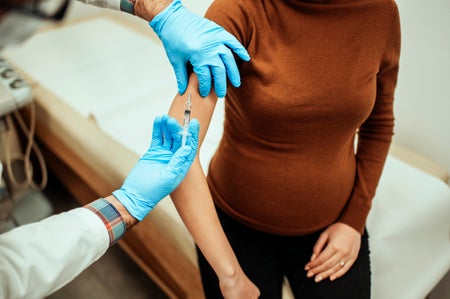
Why COVID Vaccines Are Likely Safe for Pregnant People
The scantness of available data leaves the decision up to the individual and their doctors, though benefits can outweigh risks in some cases
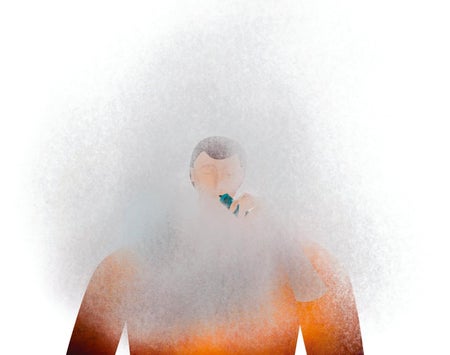
A COVID Look-alike That Strikes Young Adults
A dangerous lung illness stems from substandard vape liquids