Winter in Yellowstone
with Andrea Thompson
Highlights
Join Scientific American Travel for a magical week-long winter journey to explore Yellowstone National Park and experience a quiet wonderland without the crowds. Begin your tour with a journey deep into the park aboard specially equipped snow coaches to observe the brilliant thermal pools and steaming fumaroles against a canvas of snow. Join a local naturalist and field educator for a wildlife expedition where you’ll use high-powered spotting scopes to search for megafauna and learn about the ecology of the northern range. Travel through interior Yellowstone to Old Faithful and explore the Upper Geyser Basin. Drive through Grand Teton National Park and take a horse-drawn sleigh ride among thousands of free-roaming elk at the National Elk Refuge in Jackson. Hear directly from those who are working to protect America’s oldest national park and its wildlife and explore the ongoing challenges facing its wildlife and ecosystems.
Please note: Guests will need to navigate icy areas and be able to climb into and out of a snow coach. Elevation within Yellowstone National Park averages 8,000 feet. While we seek to adhere to the below itinerary, unpredictable winter weather occasionally requires us to modify activities to ensure passenger safety.

Expert Guide: Andrea Thompson
Andrea Thompson is senior desk editor for life science, overseeing coverage of the environment, Earth sciences and nonhuman biology. She holds a graduate degree in science, health and environmental reporting from New York University, as well as a B.S. and an M.S. in atmospheric chemistry from the Georgia Institute of Technology. Thompson began her career at Live Science before covering climate science and extreme weather as a senior writer at Climate Central. She has appeared on several national radio and TV programs and podcasts and has moderated panels at the United Nations and other events. She has also moderated Scientific American’s Science on the Hill series, presenting scientific topics to congressional staffers.
Scientific American has partnered with Academic Travel Abroad (ATA). Links from this brochure allow you to directly access websites operated by ATA. By clicking on these links, you will be leaving scientificamerican.com and directed to ATA. You can review their privacy policy here. Due to GDPR policies, ATA cannot accept customers from the EU, UK and Switzerland.
Itinerary

Thursday, January 7: Welcome to Yellowstone
Arrive in Bozeman, Montana, and transfer as a group to Mammoth Hot Springs Hotel inside Yellowstone National Park. Begin your adventure in Yellowstone, the oldest national park in America and widely regarded as the first national park in the world. After a welcome reception, join your Scientific American expert this evening for an introduction to the history of the park and its challenges.
Included Meal: Dinner
Accommodations: Mammoth Hot Springs Hotel
Friday, January 8: Winter Wildlife Watch
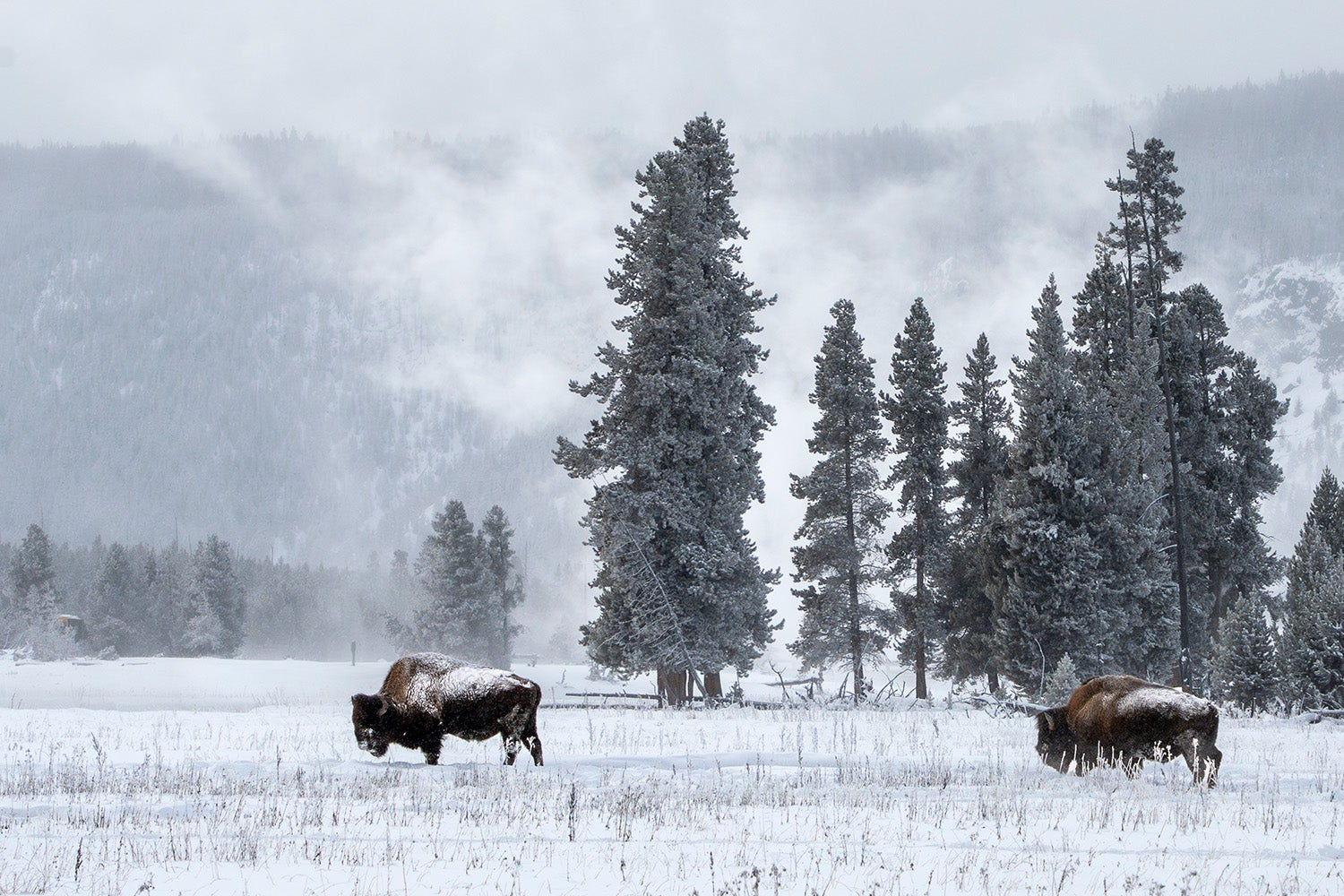
Set out early this morning for an eight‑hour private winter wildlife expedition with a naturalist guide. Travel into the remote Lamar Valley, one of the best places in North America to observe large mammals in winter, where you’ll explore a landscape shaped by snow, silence and the daily movements of wildlife. Use high‑powered spotting scopes to search for bison herds sweeping snow aside with their heads, moose browsing willows along frozen waterways and –if you’re lucky – members of the valley’s wolf packs. Lamar is a hub of predator and preyactivity during the winter, when animals travel to the valley floor to avoid deep snow in thehigh-country. Enjoy breakfast and lunch in the field as you search for Yellowstone’s megafauna.Return to Mammoth Hot Springs in the late afternoon to warm up and relax before aninteractive presentation about wolf reintroduction efforts in the park.
Included Meals: Breakfast, Lunch
Accommodations: Mammoth Hot Springs Hotel
Xanterra Travel Collection
Saturday, January 9: Geology and Geothermals
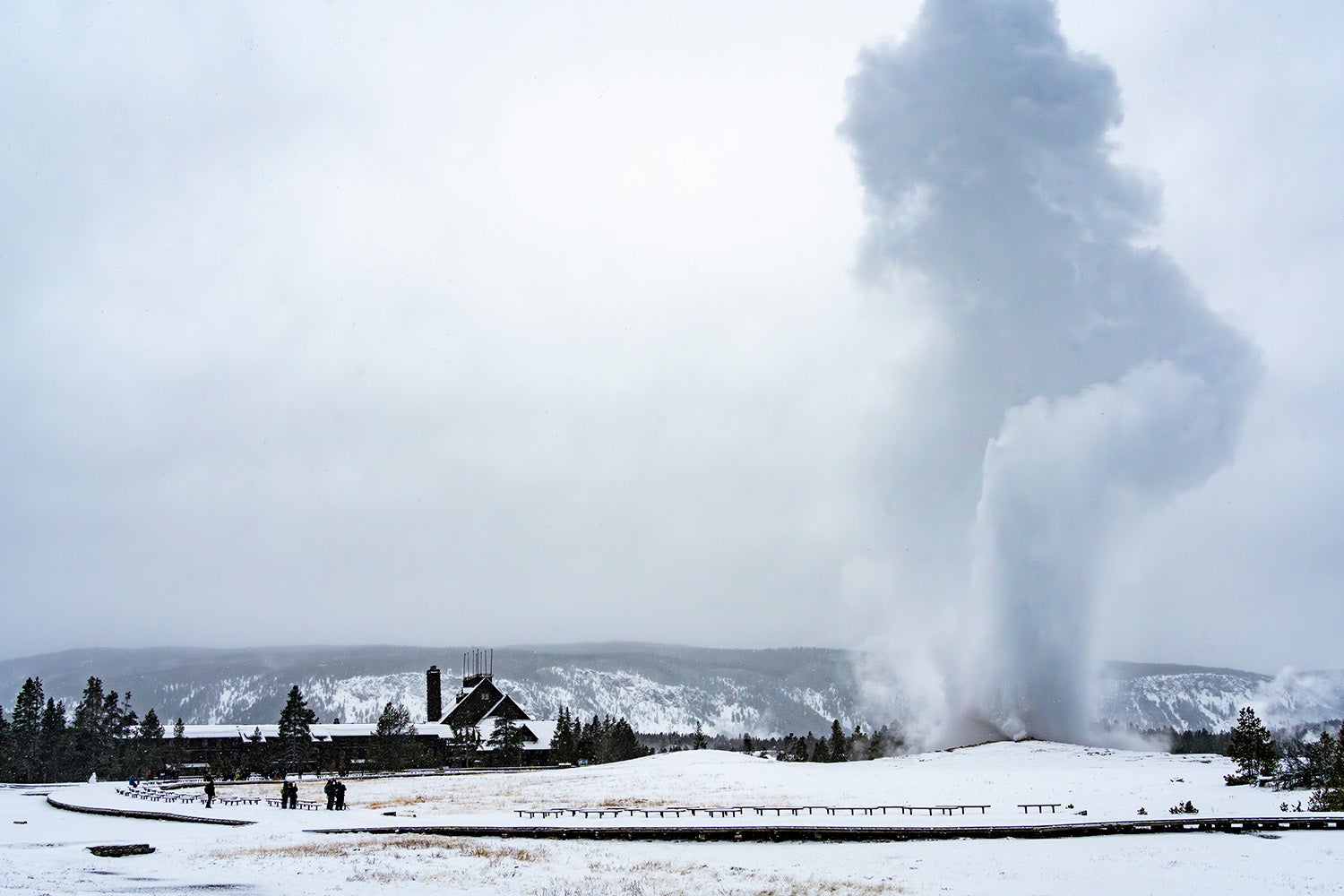
Today, travel by snow coach into Yellowstone’s interior, one of the most scientifically monitored volcanic regions on Earth. Beneath the snow lies a complex magmatic system extending for tens of miles where residual heat from past eruptions interacts with groundwater. Even though its last major eruption occurred roughly 640,000 years ago, heat still rises from a magma reservoir only a few miles beneath the surface, creating the park’s geysers and hot springs. As you traverse the park, you will pause to view geyser basins where microorganisms called thermophiles create vivid color bands. Some thrive in temperatures exceeding 170F, inspiring research into the origins of life in extreme environments. At the Grand Canyon of the Yellowstone River, admire winter’s transformation of the Upper and Lower Falls. The canyon’s famous golden hues come from iron compounds oxidizing in ancient volcanic rock—the same process that rusts steel. Continue to the Old Faithful area and check into your lodge. Later, walk to the geyser itself for a winter eruption framed by steam halos and drifting ice crystals suspended in cold air. Dinner is at leisure this evening.
Included Meals: Breakfast, Lunch
Accommodations: Old Faithful Snow Lodge
Xanterra Travel Collection
Sunday, January 10: The World’s Densest Cluster of Geysers
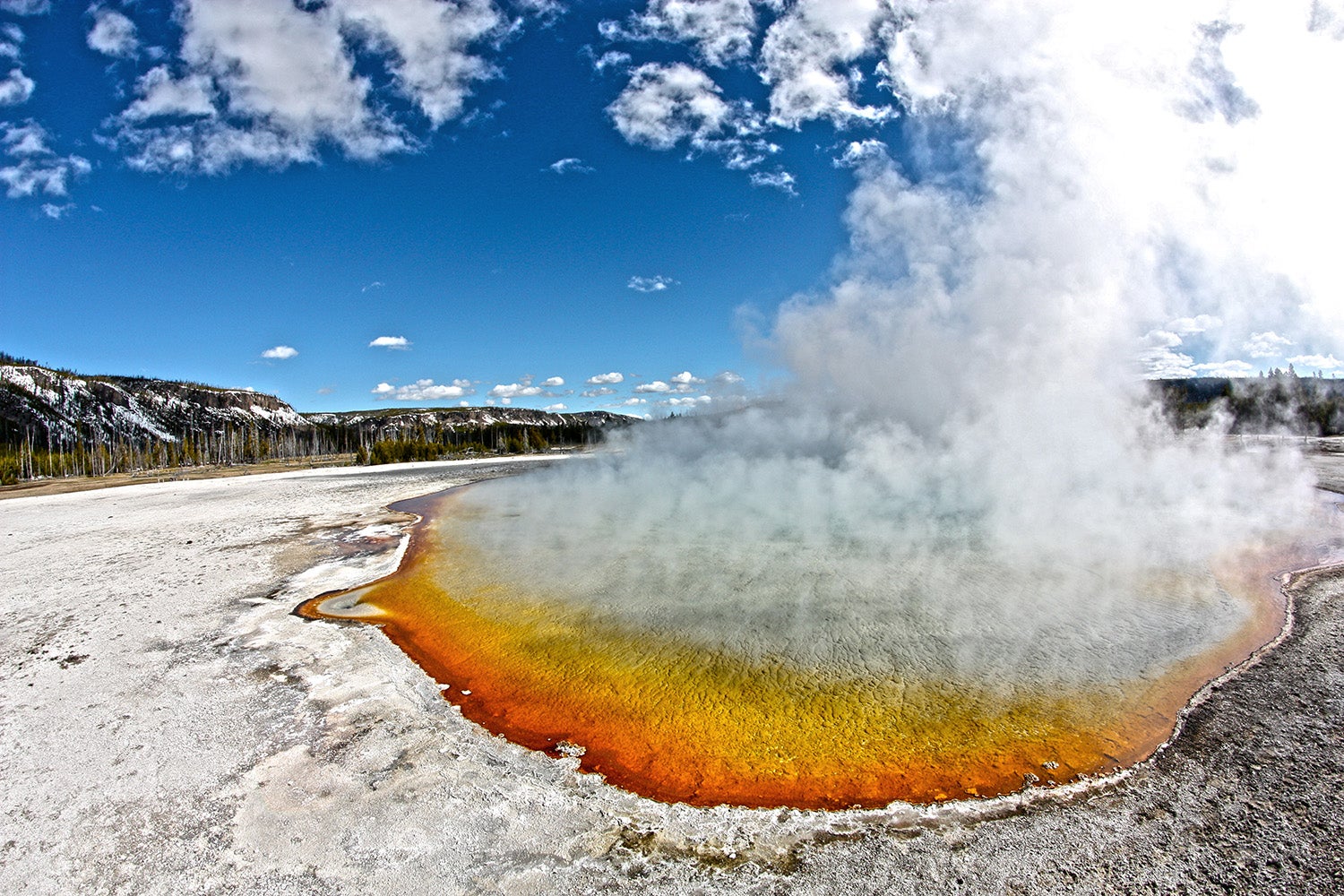
Your day begins with a morning lecture from your Scientific American expert. After, explore the Upper Geyser Basin, home to more than 150 active geysers—the highest density found anywhere on Earth. Many have been erupting for centuries, their rhythms shaped by subterranean plumbing systems that scientists still struggle to map. Walk among boiling pools stained green and blue by microbial mats. Enjoy the afternoon at leisure—on skis, snowshoes, or beside a roaring lodge fire. Tonight, embark on a steam, stars and winter soundscapes adventure beneath the winter sky.
Included Meal: Breakfast
Accommodations: Old Faithful Snow Lodge
stefaniedesign/GettyImages
Monday, January 11: Across the Divide into the Tetons
Travel south across the Continental Divide to the threshold of Grand Teton National Park. These “geologically young” mountains rose dramatically less than 10 million years ago and continue to move along a major fault line at the base of the range. In contrast, the valley floor is sinking, exaggerating the Tetons’ sharp vertical relief. Stop for lunch at a favorite local restaurant before settling into your hotel and enjoying an evening at leisure to explore charming downtown Jackson on your own.
Included Meals: Breakfast, Lunch
Accommodations: Rustic Inn Creekside Resort and Spa
Tuesday, January 12: Wildlife Art and the Winter Elk Migration
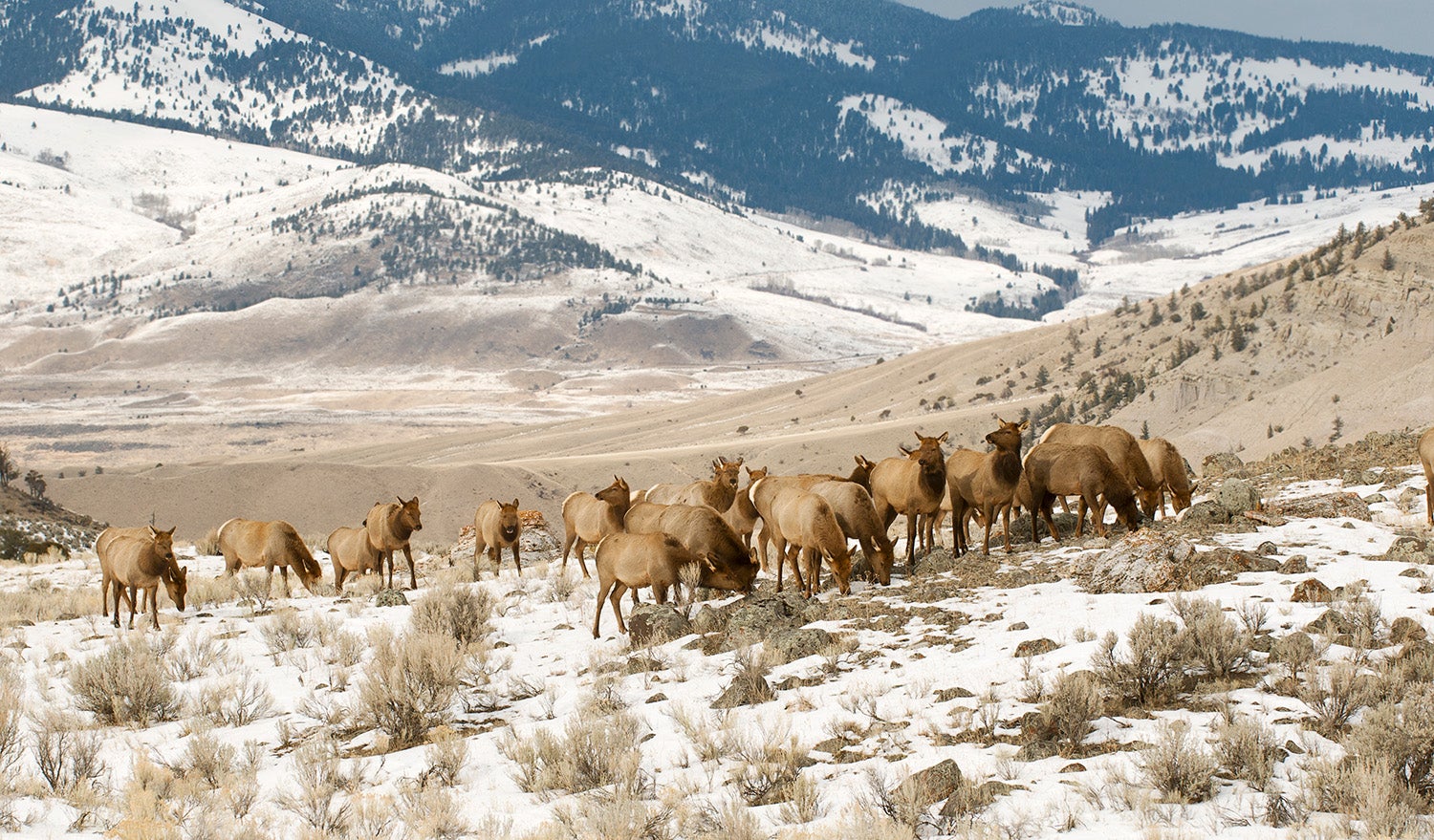
Begin the day with private early access to the National Museum of Wildlife Art. Its collection features centuries of scientific illustrations, many created by naturalists who doubled as early field biologists. Next, venture into the National Elk Refuge for a horse‑drawn sleigh ride through the wintering grounds of one of the continent’s largest elk herds. Some individuals migrate more than 60 miles from the high plateaus of Yellowstone—a journey that constitutes one of the longest elk migrations in North America. This evening, hear from a local activist who will share information about contemporary conservation priorities, from climate resilience to habitat restoration. Then, enjoy a private reception at a local art gallery, followed by a final celebratory dinner as a group.
Included Meals: Breakfast, Dinner
Accommodations: Rustic Inn Creekside Resort and Spa
Earle_Keatley/GettyImages
Wednesday, January 13: Departure
After breakfast, depart Jackson this morning on individual flights home.
Included Meal: Breakfast
Scientific American has partnered with Academic Travel Abroad (ATA). Links from this brochure allow you to directly access websites operated by ATA. By clicking on these links, you will be leaving scientificamerican.com and directed to ATA. You can review their privacy policy here. Due to GDPR policies, ATA cannot accept customers from the EU, UK and Switzerland.
Accommodations
Xanterra Travel Collection
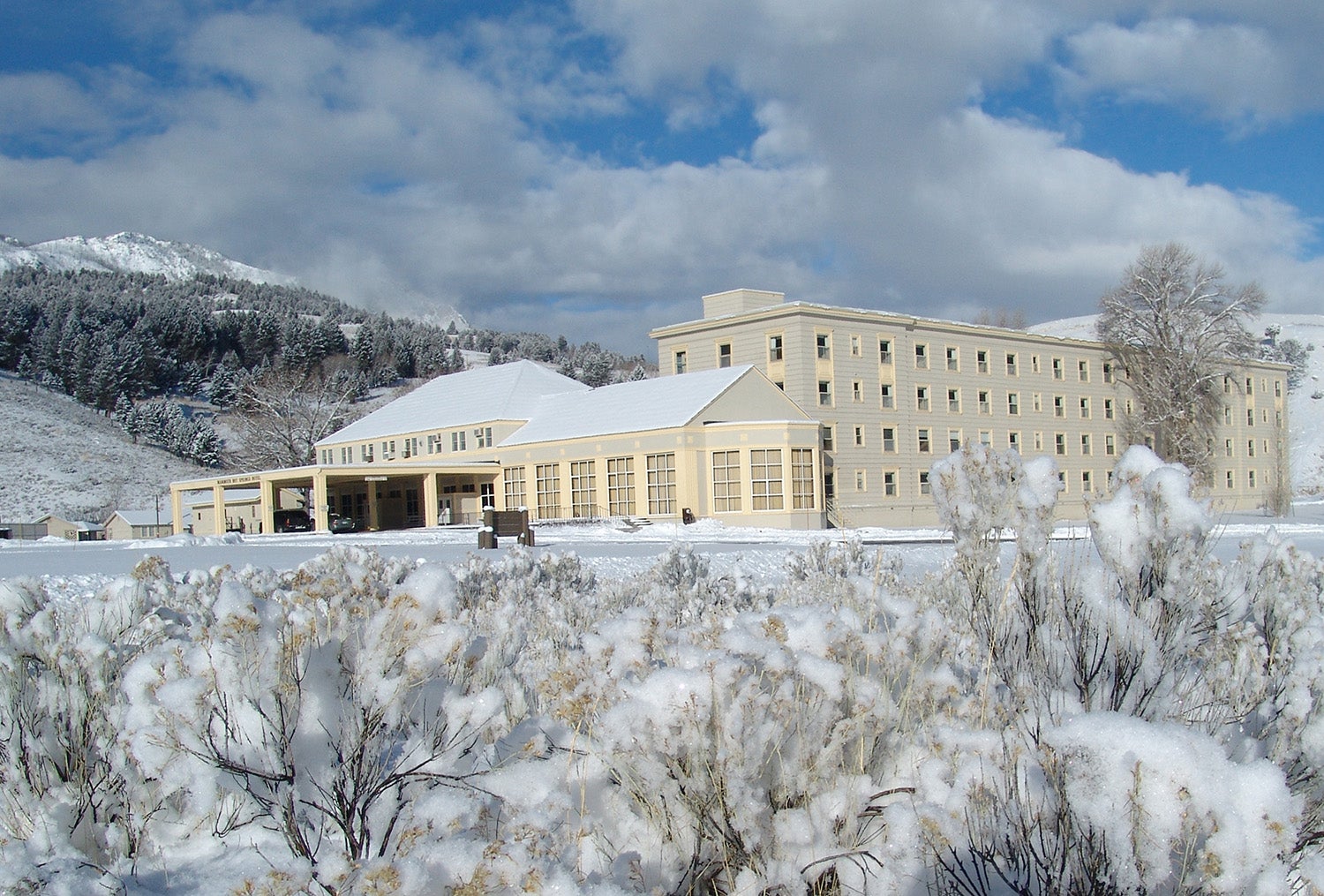
Mammoth Hot Springs Hotel
Located inside Yellowstone National Park, this historic lodge blends a warm, understated rustic character with updated, modern comforts. Its location beside the Mammoth travertine terraces provides easy access to one of the park’s most distinctive geothermal landscapes. (2 nights)
Xanterra Travel Collection
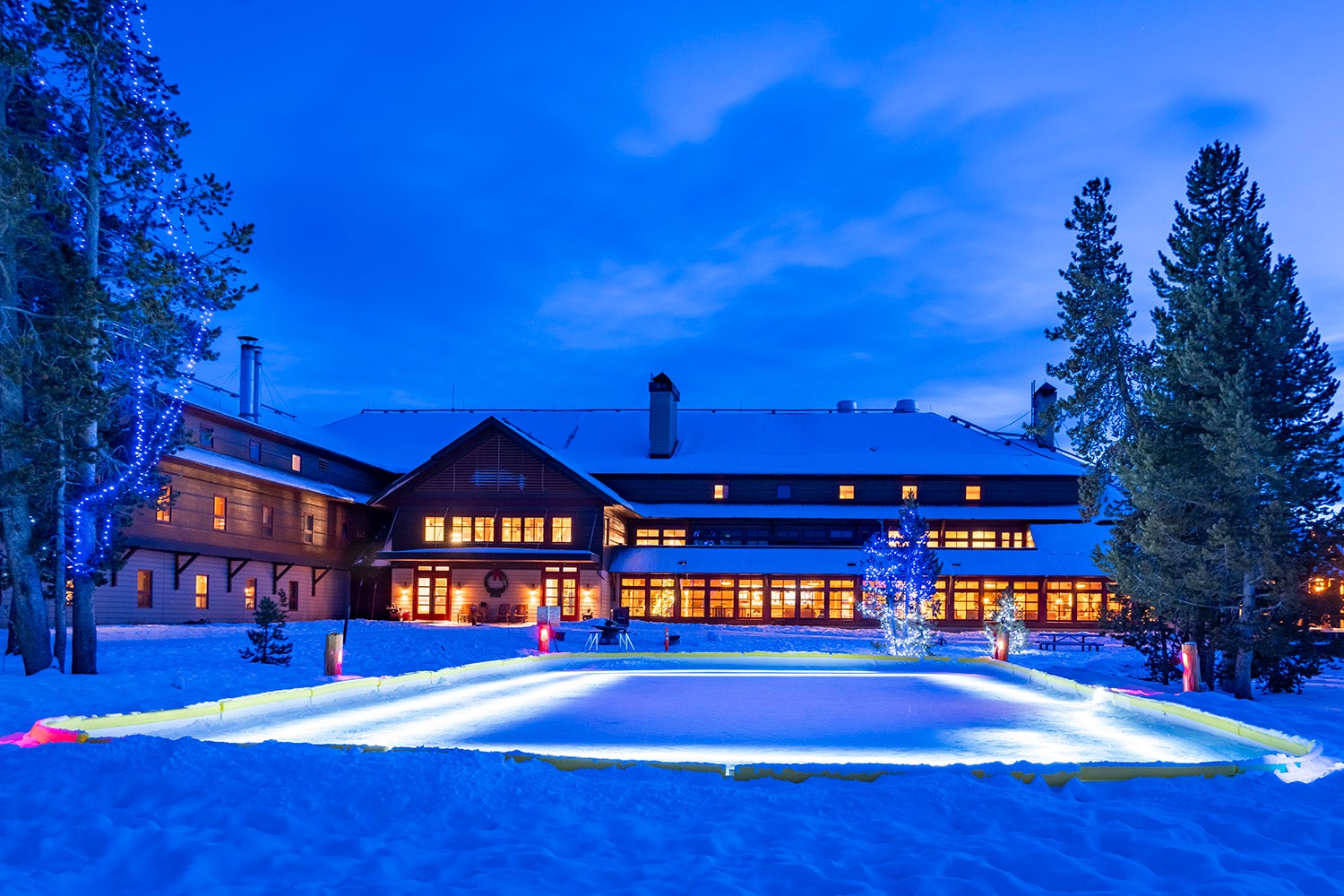
Old Faithful Snow Lodge
The award-winning Old Faithful Snow Lodge features elements of classic “parkitecture,” like heavy timber beams, natural materials and subtle wildlife-inspired design motifs. It is located steps from the Upper Geyser Basin. (2 nights)
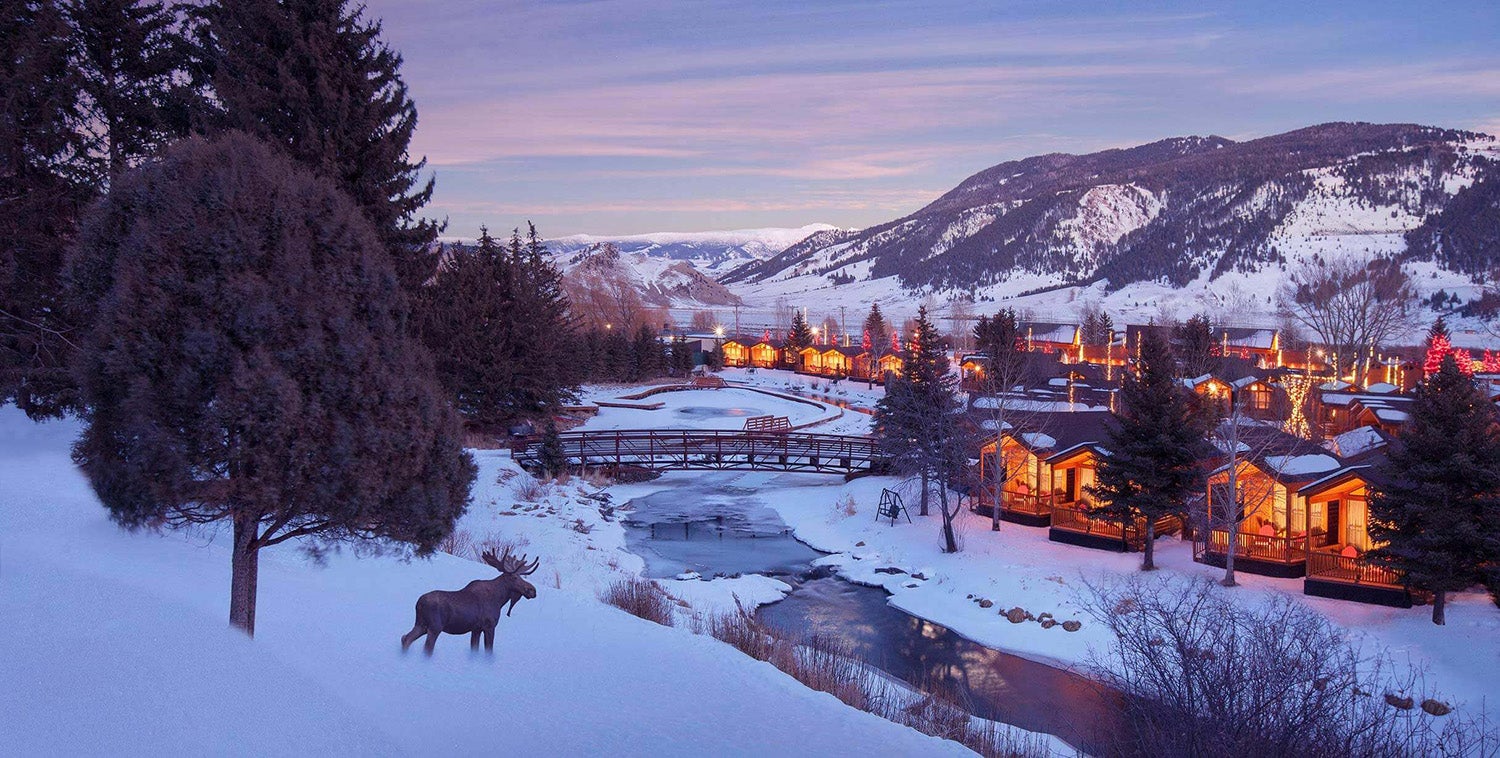
Rustic Inn Creekside Resort and Spa
Located on 12 wooded acres along a quiet creek and bordering the National Elk Refuge, this retreat combines Western-style charm with upscale amenities. The hotel is just a short walk from the shops and galleries of Jackson’s town squares. (2 nights)
What's Included
All accommodations for the duration of the tour
Group airport transfer on arrival
Meals as noted in the itinerary
All sightseeing and visits as noted in the itinerary
Expertise of a Scientific American editor, travel director and local guides throughout the program
All gratuities for on-tour guides, drivers, hotel and restaurant staff as part of the group program
All on-tour transportation, unless otherwise noted
The assistance of an ATA professional travel team to assist with pre-trip questions, travel arrangements, including flights, extra hotel nights and other services
Comprehensive pre-departure mailings and materials with information about the destination and what to expect on tour, including a suggested reading list
Emergency evacuation insurance
Scientific American has partnered with Academic Travel Abroad (ATA). Links from this brochure allow you to directly access websites operated by ATA. By clicking on these links, you will be leaving scientificamerican.com and directed to ATA. You can review their privacy policy here. Due to GDPR policies, ATA cannot accept customers from the EU, UK and Switzerland.