
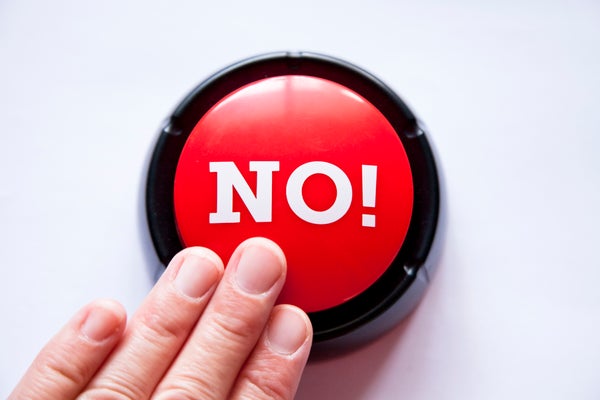
Remember the first time you asked someone out? Whether it was in middle school or well into adulthood, I bet it was at least a little bit nerve-wracking. What if they say no? Worse, what if they make fun of you or show pity? What if they make it seem like it was ridiculous for you even to ask?
These hypothetical nightmare scenarios make even the bravest of us fear rejection. But in general, we don't walk around expecting people to reject us. We're also not constantly on the lookout for clues that rejection is about to happen.
For some people, rejection appears to be around every corner. They “anxiously expect, readily perceive, and intensely react” to rejection or possible rejection. Psychologists call this “high rejection sensitivity.”
On supporting science journalism
If you're enjoying this article, consider supporting our award-winning journalism by subscribing. By purchasing a subscription you are helping to ensure the future of impactful stories about the discoveries and ideas shaping our world today.
Rejection sensitivity might seem like a phase middle schoolers go through as they awkwardly navigate puberty, trying to figure out more adult-like social relationships. But it happens to adults of all ages. And it’s not the same thing as being a little shy or emotionally sensitive. There are specific ways that our brains and bodies behave when we're highly sensitive to rejection, and often very real consequences.
Here’s what neuroscientists and psychologists have learned about rejection sensitivity, including clues for how to get some relief from its grasp.
»Continue reading “5 Surprising Facts About Rejection Sensitivity” on QuickAndDirtyTips.com