

Nutrition Diva podcast listener Adele writes: “My husband is allergic to fish so he buys omega-3 eggs instead. Do you get the same benefits from eating omega-3 eggs as you would from eating fish?"
How Do They Make Omega-3 Eggs?
On supporting science journalism
If you're enjoying this article, consider supporting our award-winning journalism by subscribing. By purchasing a subscription you are helping to ensure the future of impactful stories about the discoveries and ideas shaping our world today.
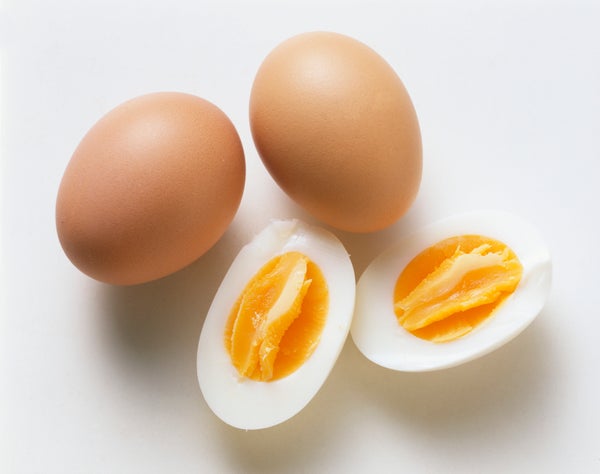
You’ve probably seen omega-3 enriched eggs at the grocery store. Perhaps you’ve wondered how they get the omega-3 into the eggs? It’s actually a pretty low tech method: They feed the hens flaxseed, which is high in omega-3 fatty acids. Just like you and me, hens that take in more omega-3s end up with more of these fatty acids in their tissues, and that applies to their eggs as well.
In terms of protein, both fish and eggs are high quality protein sources, although you’d have to eat about three eggs to get the same amount of protein as in a 3-ounce serving of salmon. In terms of omega-3 fatty acids, there are two things to keep in mind. One is how much omega-3 you’re actually getting.
How Much Omega-3 Can You Get from Eggs?
The amount of omega-3 in an enriched egg varies considerably from around 100 to 500 mg per egg. The most popular brand of omega-3 eggs claims just 125 mg of omega-3 per egg. By comparison, a 4-ounce serving of salmon (or just one tablespoon of flaxseed) is going to give you six or seven times as much omega-3 as a serving of omega-3 eggs. (I’m considering two large eggs to be a serving.)
Not all fish is quite as rich in omega-3 as salmon is. Generally, the oilier ocean fish (like salmon, mackerel, and sardines) tend to be higher in omega-3 while the milder fish and and shellfish are lower. A serving of grouper, flounder, or perch, for example will have about as much omega-3 as you’d get from a couple of omega-3 eggs. Shrimp, tilapia, and crab are even lower in omega-3s.
»Continue reading “Are Omega-3 Eggs as Good as Eating Fish?” on QuickAndDirtyTips.com