
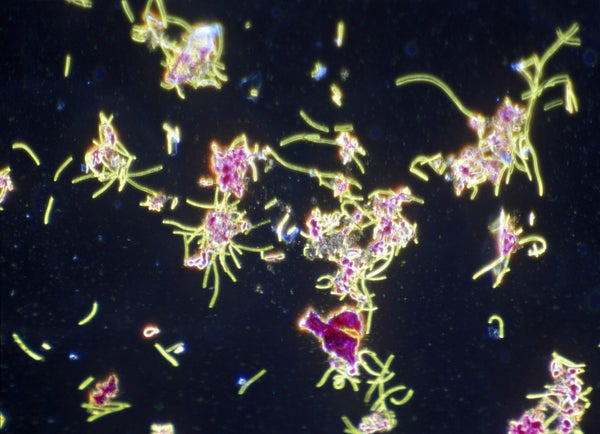

Noreen emailed to ask “Could you do a podcast on probiotic foods that one should avoid if one has a compromised immune system? Is commercial yogurt ok since it’s pasteurized? What about kombucha? Homemade sauerkraut, pickles, hot sauces?”
Before I answer Noreen’s questions, let’s talk about how probiotic bacteria might affect the immune system.
On supporting science journalism
If you're enjoying this article, consider supporting our award-winning journalism by subscribing. By purchasing a subscription you are helping to ensure the future of impactful stories about the discoveries and ideas shaping our world today.
One of the immune system’s jobs is to protect us from harmful bacterial. And the beneficial organisms that we refer to as probiotics contribute to this effort in a number of ways. In the gut, a robust population of beneficial bacteria can help crowd out harmful bacteria, making it harder for them to thrive. In addition, probiotic bacteria can influence the activity of our own immune cells, regulating inflammation, barrier function, and cell-to-cell signaling.
How to Build a Healthy Microbiome
One way to foster healthy intestinal bacteria is to eat more of the foods these bugs like to eat—namely, fiber. Increasing your intake of plant fibers from vegetables, fruits, legumes, whole grains, nuts, and seeds is like filling a bird-feeder with the kind of seeds that the beautiful songbirds you want attract like best. If you feed them, they will come!
And if we want to attract a lot of different types of songbirds—er, bacteria—then we want to put out a variety of foods. That means you don’t just want to get all your fiber from a single source, such as a fiber supplement. You want to get it fiber from lots of different kinds of vegetables, fruits, legumes, grains, nuts and seeds.
Another way to nurture a healthy gut is to consume foods that contain beneficial bacteria. This includes things like yogurt, kefir, and other cultured dairy products; kim-chi, sauerkraut, and other fermented vegetables; miso, tempeh, natto, and other fermented soy products; and kombucha, which is a sort of fermented tea.
Now, to be honest, it’s not entirely clear how many of those bacteria actually survive their trip through the digestive tract and set up permanent housekeeping in the gut. But even if they are just passing through, they appear to be the ideal type of houseguest that leaves the place a bit better than they found it.
»Continue reading “Are Probiotics Safe for Your Immune System?” on QuickAndDirtyTips.com