New Issue: Orbital Catastrophe Ahead? Read Now

Are the Benefits of Fish Oil Overrated?

Fish oil supplements are the third most popular nutritional supplement. But just how firm is the evidence to support their use?

Join Our Community of Science Lovers!

The idea that fish oil and omega-3s are good for your heart has been nutrition orthodoxy for decades. A few dissonant voices have argued that this particular emperor has no clothes. But they have largely been drowned out by the crowd. The American Heart Association recommends a fish oil supplement for those who don’t eat the recommended two 0r more servings of fish per week. And that’s basically everyone.

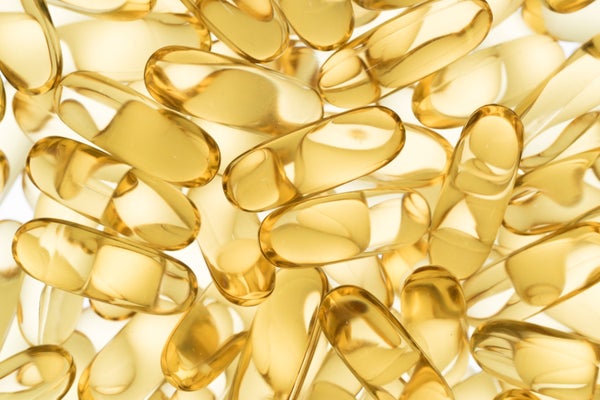
Fish oil supplements are now the third most popular nutritional supplement. There have been concerns about possible contaminants in commercial fish oil supplements, as well as the negative effects of over-fishing in order to produce enough fish oil to meet the demand. But the presumed benefits have largely overshadowed these concerns. But just how firm is the evidence to support their use?


On supporting science journalism

If you're enjoying this article, consider supporting our award-winning journalism by subscribing. By purchasing a subscription you are helping to ensure the future of impactful stories about the discoveries and ideas shaping our world today.


What’s the Evidence on Fish Oil?

Epidemiological studies have found that people who eat more fish and/or take in more omega-3s have lower rates of death from cardiovascular and other diseases. Randomized trials have established that fish oil supplements reduce inflammation and lower triglycerides. But as recently as 2010, authors of a scholarly article on “Fish oil for the Treatment of Cardiovascular Disease” conceded that “The role of omega-3 fatty acids in reducing mortality, sudden death, arrhythmias, myocardial infarction, and heart failure has not yet been established.”

»Continue reading “Are the Benefits of Fish Oil Overrated?” on QuickAndDirtyTips.com

Subscribe to Support Independent Journalism

Great science journalism requires human expertise, time, effort and creativity. And it costs money. That’s why I and the journalists here at Scientific American hope you’ll join our community.

When you subscribe, you are supporting staff and freelance journalists who are passionate about telling science stories that are true, important and compelling. Our editors and reporters are often experts in their fields, which means they understand the nuances of big discoveries and can untangle the breakthroughs from the hype. With a subscription, you are also supporting rigorous fact-checking to ensure the words we publish are precise and accurate. And you’re supporting original illustrations, graphics and photos that bring you closer to an advanced laboratory, an ice sheet in Antarctica or a space mission in orbit. You’re helping us craft other types of high-quality journalism as well: Our newsletters are carefully written, edited and curated by staffers you have or will come to know and love. Our Science Quickly podcast is based on original reporting, collaboration with editors and scientists and exacting production.

Subscriptions keep this engine running so we can continue to deliver thoughtful, rigorous and independent science journalism to you. In an era of viral misinformation, this work is crucial. If you value what we do, I hope you’ll consider joining us as a subscriber

Thank you,

Jeanna Bryner, Editor in Chief, Scientific American

Subscribe