
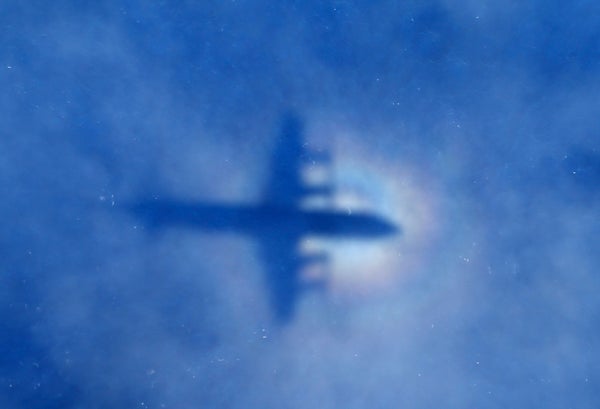
Malaysia is restarting the search for the missing Malaysia Airlines Flight MH370. The nation is sending ships and robots into one of the planet’s loneliest stretches of ocean in the hope of solving one of aviation’s most haunting mysteries.
The Boeing 777 plane vanished in 2014 with 239 people onboard. Starting on December 30, the Texas-based seabed-mapping firm Ocean Infinity will spend 55 days sweeping a 15,000-square-kilometer (about 5,800-square-mile) swath of the southern Indian Ocean that investigators believe could hold the jet’s wreckage.
It’s a high-stakes mission: the “no find, no fee” deal means Malaysia could pay Ocean Infinity up to $70 million but only if the firm produces substantive wreckage. Officials are keeping the precise target zone a secret yet say it’s based on satellite “handshake” tracking data and painstaking reconstructions of how dozens of debris fragments might have drifted across the Indian Ocean before they washed onshore.
On supporting science journalism
If you're enjoying this article, consider supporting our award-winning journalism by subscribing. By purchasing a subscription you are helping to ensure the future of impactful stories about the discoveries and ideas shaping our world today.
The company is leaning on a more mature generation of ocean technology: largely uncrewed surface vessels coordinating swarms of autonomous underwater vehicles that can hover a few tens of meters above the seabed and map terrain down to a depth of nearly 6,000 meters with multibeam sonar, sub-bottom profilers and high-resolution imaging. Ocean Infinity says its upgraded system can cover more ground at higher resolution and with a smaller carbon footprint than traditional survey fleets.
The new search comes after years of looking in vain. From 2014 to 2017, Malaysia, Australia and China searched 120,000 square kilometers of seafloor at a cost of roughly $155 million (more than $200 million today). In 2018 Ocean Infinity scanned more than 100,000 additional square kilometers. None of those campaigns found the main wreckage or any victims. Just three confirmed pieces of wing have ever been recovered.