
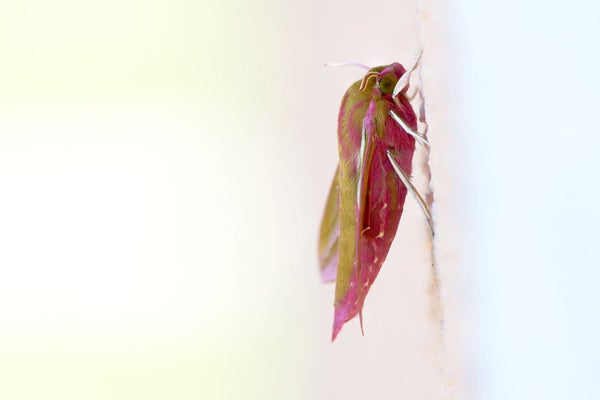
City dwellers may be familiar with flies and cockroaches, but a closer look shows there is a mind-blowing array of tiny critters that creep and crawl through the landscape. Because of COVID-19, this past summer, the biodiversity discovery group Taxon Expeditions, based in Leiden, the Netherlands, decided to forego a faraway research trip to tropical rain forests or caves in the Balkans. Instead its investigators stayed closer to home, focusing their magnifying lenses inside Amsterdam’s city limits.
In just two weeks, the researchers documented nearly 1,000 species of what they are calling “tiny creepy crawlies,” including many insects. The findings have prompted the group to advocate for protecting urban green spaces, which are disappearing worldwide. Here are just a handful of the eye-catching creatures the scientists found.
Credit: Peter Koomen and Taxon Expeditions
On supporting science journalism
If you're enjoying this article, consider supporting our award-winning journalism by subscribing. By purchasing a subscription you are helping to ensure the future of impactful stories about the discoveries and ideas shaping our world today.
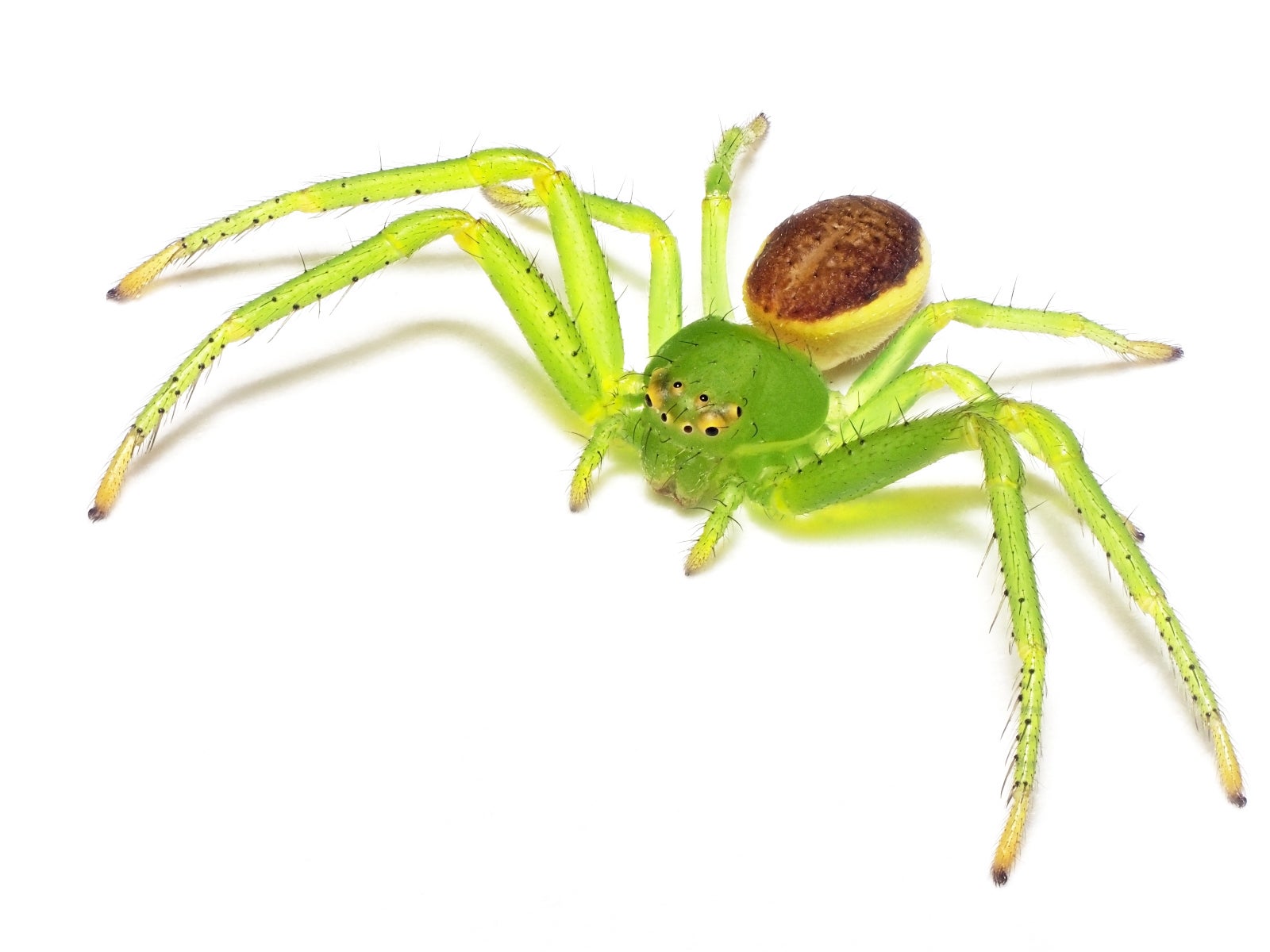
Green crab spider (Diaea dorsata) has plenty of eyes to find its prey. It typically lives in mature forests but evidently can thrive in small inner-city green spaces. It loses its green color when it molts.

Credit: Bernard van Elegem and Taxon Expeditions
Riverbank ground beetle (Elaphrus riparius) is a tiny hunter that lives in the silt and mud along river edges.
Credit: Bernard van Elegem and Taxon Expeditions
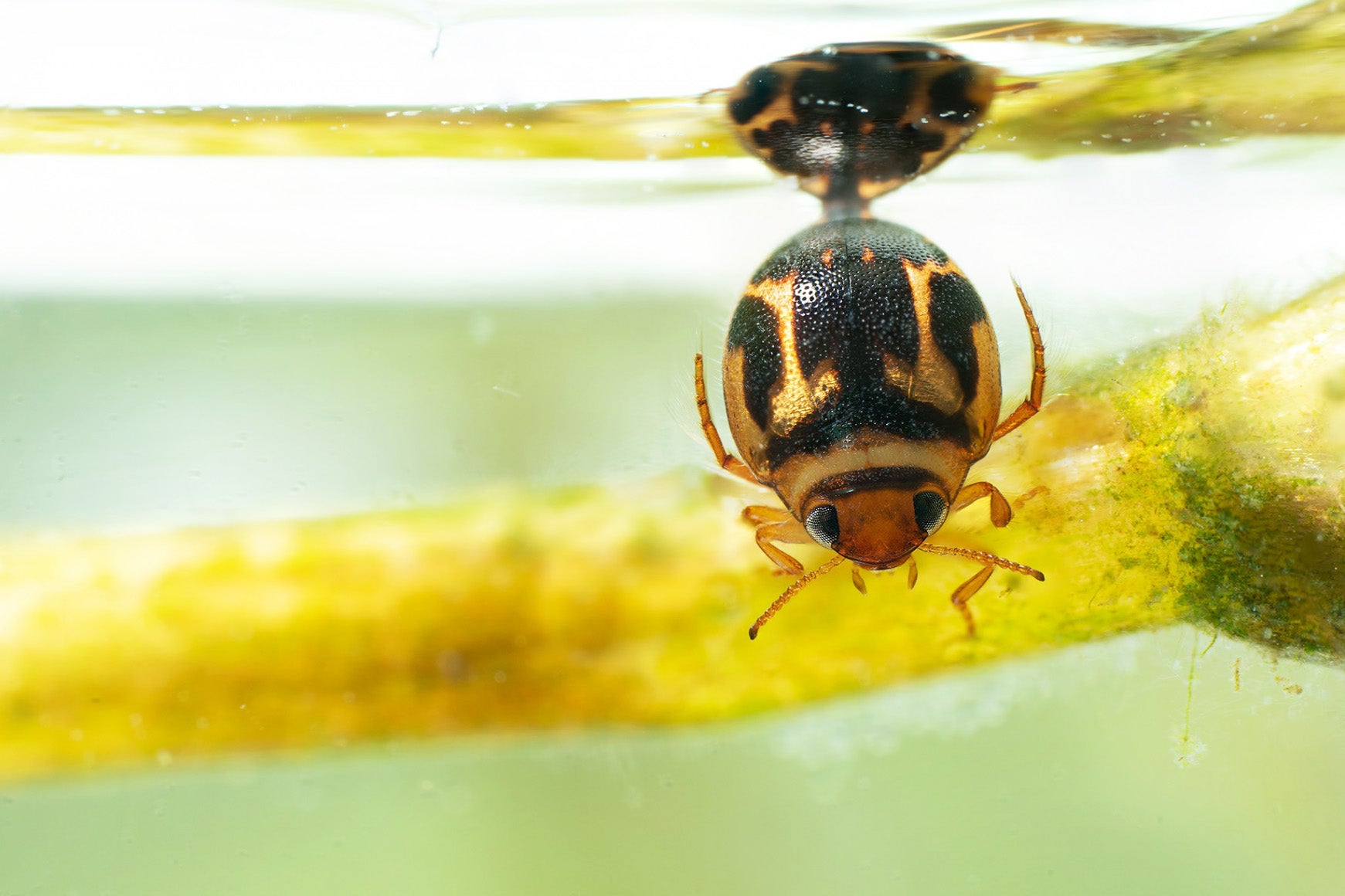
Tiny diving beetle (Hygrotus inaequalis) is less than three millimeters long. It lives in ponds, small pools and even ditches that have ample vegetation.

Credit: Jan Schilthuizen and Taxon Expeditions
Iva Njunjić (left), an entomologist and co-director of Taxon Expeditions, sorts through hundreds of insects from a compost heap with expedition participant Marty Vink. The two found several species never seen before in Amsterdam.

Credit: Peter Koomen and Taxon Expeditions
European alder spittlebug (Aphrophora alni) has wings that help it hop like a frog and a keel running down the middle of its head. It is common in Amsterdam’s city parks and across Europe.

Credit: Bernard van Elegem and Taxon Expeditions
Jumping spider (Marpissa mucosa) lives on the bark and lichens of trees. Yet it can also be found on houses or even in them—a small but startling sight, given the fur and eyes.
Credit: Peter Koomen and Taxon Expeditions
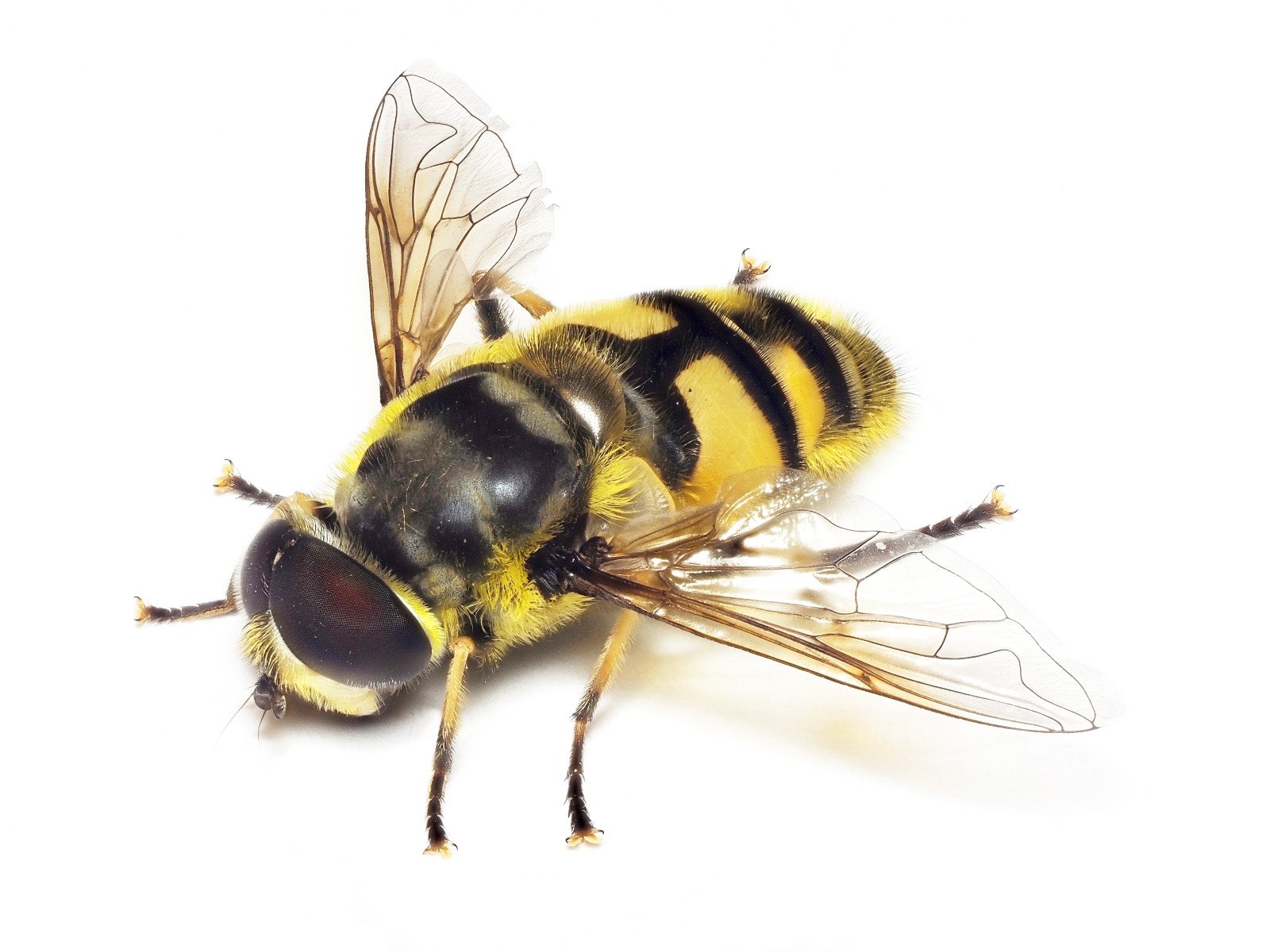
Dead head fly (Myathropa florea) resembles a wasp or bee. Like those insects, it can hover over blossoms searching for pollen, but it is harmless. And unlike those stinging creatures, it has no antennae.
Credit: Peter Koomen and Taxon Expeditions
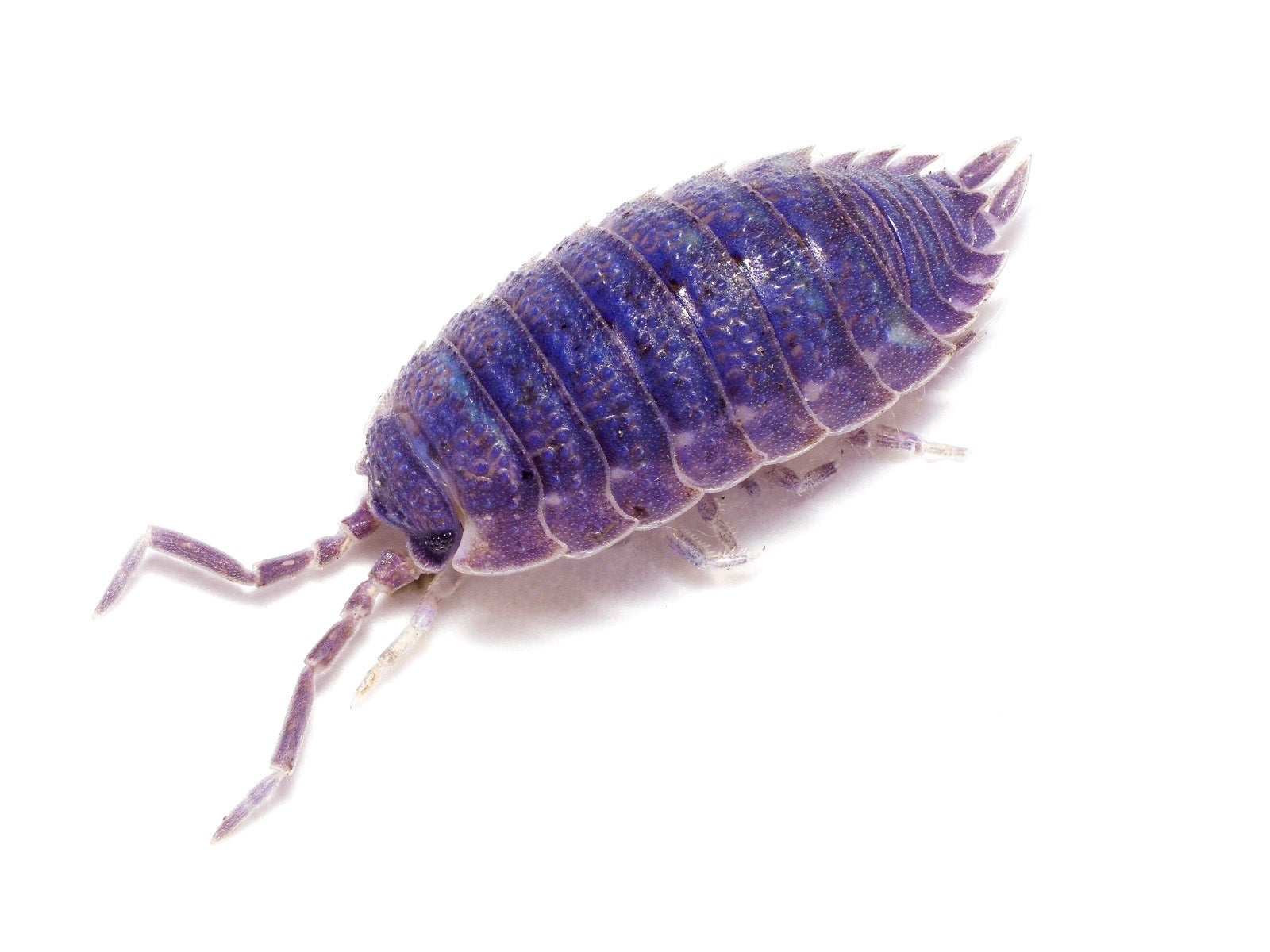
Common rough wood louse (Porcellio scaber) is found in many cities. It is usually gray, but the violet color means it has been struck with an iridovirus, a fatal infection that is prevalent in dense urban populations of wood lice.
Credit: Bernard van Elegem and Taxon Expeditions
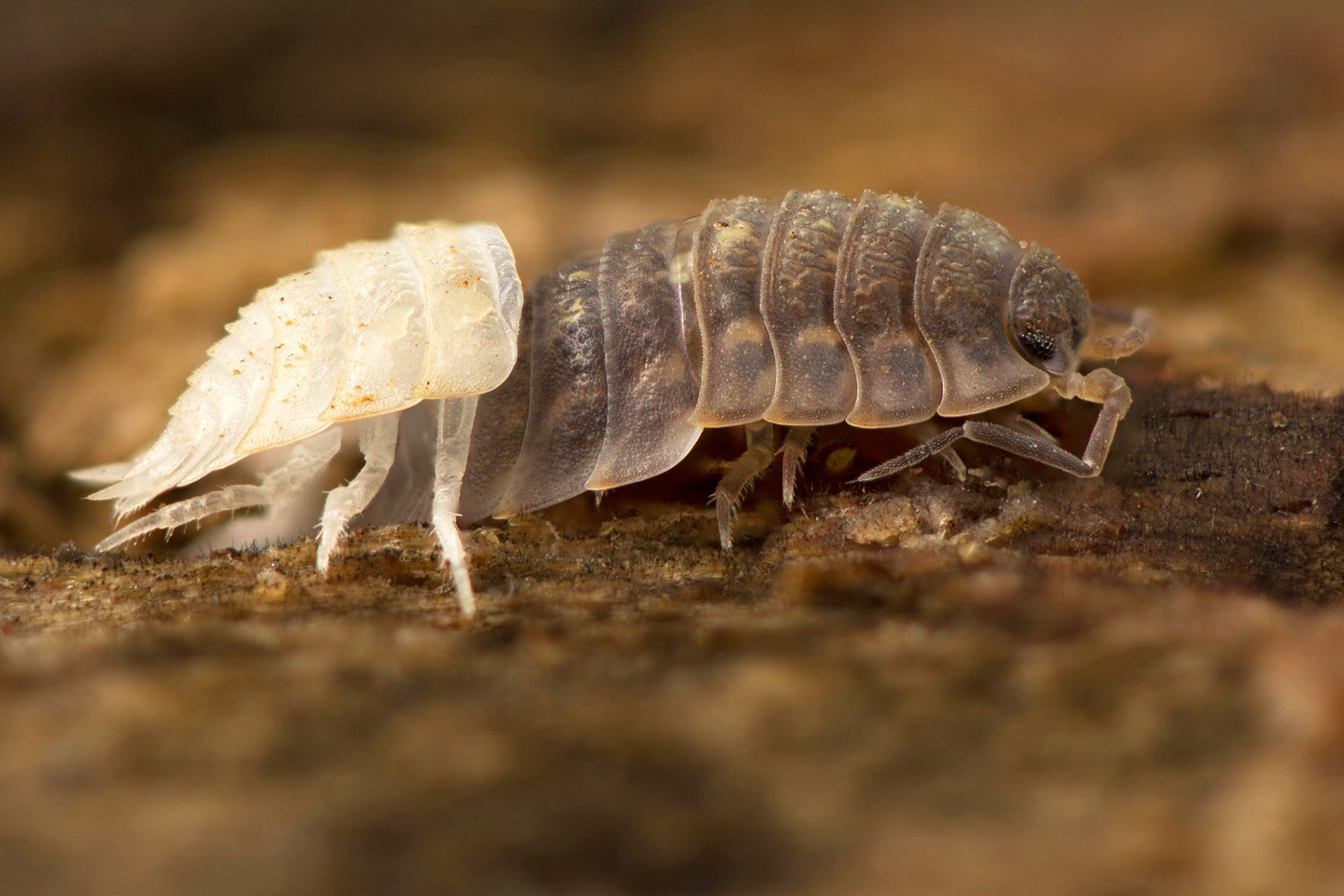
Common wood louse (Oniscus asellus), often found under rocks, sheds its shell-like exoskeleton every four weeks or so as it grows. The process takes up to three days.

Credit: Peter Koomen and Taxon Expeditions
Mottled shield bug (Rhaphigaster nebulosa) is indeed a true bug, unlike many insects. It sucks sap and smells foul. The bug does not have larvae: young individuals are just small versions of adults but with immature wings (small triangular flaps).

Credit: Peter Koomen and Taxon Expeditions
Western yellow centipede (Stigmatogaster subterranea) can burrow underground in forward or reverse, thanks to two antennae on its head (foreground) and two more in the rear.
Science in Images is a new category of articles featuring photographs and videos from all the disciplines of science. Click on the button below to see the full collection.