HistoryDecember 16, 2025
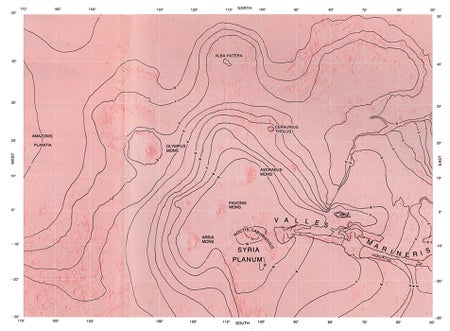
January 2026: Science History from 50, 100 and 150 Years Ago
Killer bees; Mars volcanoes
Mark Fischetti was a senior editor at Scientific American for nearly 20 years and covered sustainability issues, including climate, environment, energy, and more. He assigned and edited feature articles and news by journalists and scientists and also wrote in those formats. He was founding managing editor of two spin-off magazines: Scientific American Mind and Scientific American Earth 3.0. His 2001 article “Drowning New Orleans” predicted the widespread disaster that a storm like Hurricane Katrina would impose on the city. Fischetti has written as a freelancer for the New York Times, Sports Illustrated, Smithsonian and many other outlets. He co-authored the book Weaving the Web with Tim Berners-Lee, inventor of the World Wide Web, which tells the real story of how the Web was created. He also co-authored The New Killer Diseases with microbiologist Elinor Levy. Fischetti has a physics degree and has twice served as Attaway Fellow in Civic Culture at Centenary College of Louisiana, which awarded him an honorary doctorate. In 2021 he received the American Geophysical Union’s Robert C. Cowen Award for Sustained Achievement in Science Journalism. He has appeared on NBC’s Meet the Press, CNN, the History Channel, NPR News and many radio stations.
January 2026: Science History from 50, 100 and 150 Years Ago
Killer bees; Mars volcanoes
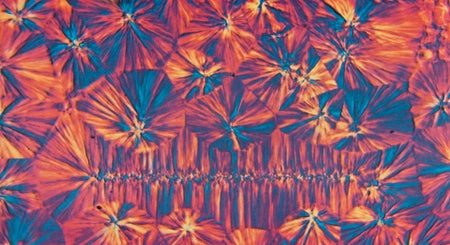
December 2025: Science History from 50, 100 and 150 Years Ago
Heimlich maneuver; training fleas
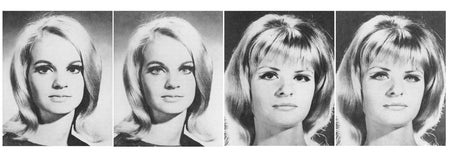
November 2025: Science History from 50, 100 and 150 Years Ago
Curveballs; poison wallpaper
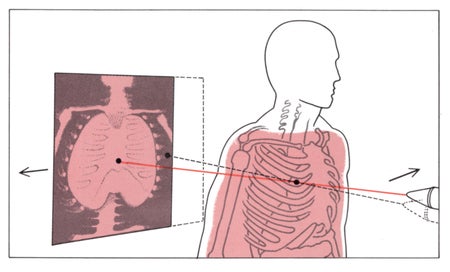
October 2025: Science History from 50, 100 and 150 Years Ago
Charming quarks; the first Batman signal
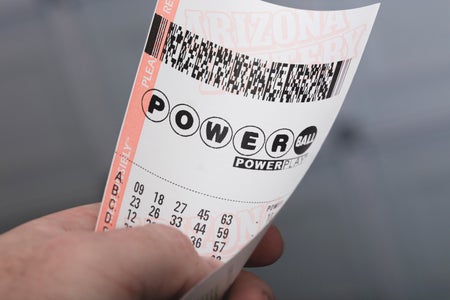
Should You Spend $2 to Win $1.7 Billion? Inside Powerball Math
Winning more than $1 billion in Powerball is an exciting possibility, but keeping a cool math mind can help you decide whether that opportunity is worth your $2 bet
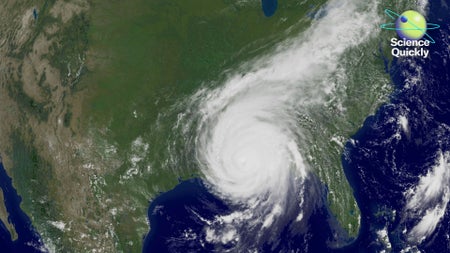
The Storm That Drowned a City—And the Science That Saw It Coming
Two decades after Katrina, we revisit the storm and discuss the evolution of hurricane preparedness since then.
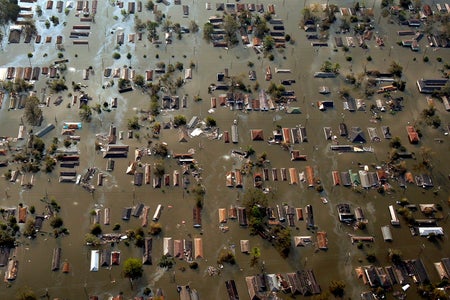
Is New Orleans Safer Now Than When Hurricane Katrina Hit 20 Years Ago?
Scientists and engineers have been implementing steps to better protect New Orleans, but recent government actions are undermining the work, raising alarm
September 2025: Science History from 50, 100 and 150 Years Ago
Huge fish; spiritualist rebuke
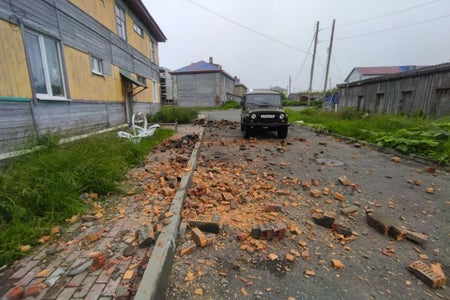
Russia’s 8.8 Earthquake Is One of the Strongest Ever Recorded
Russia’s earthquake was estimated at magnitude 8.8, among the strongest since scientists began monitoring
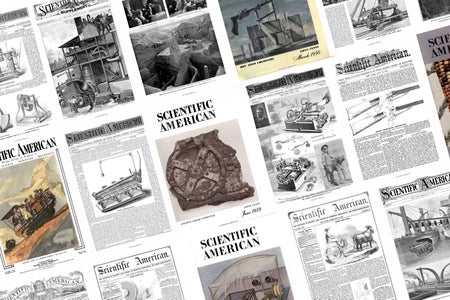
Neurotic Cats, One-Eyed Aliens and Hypnosis for Liars Are among the Historical Gems Reported in Scientific American
Dive into the quirkiest and most fascinating tales from Scientific American’s 180-year archive
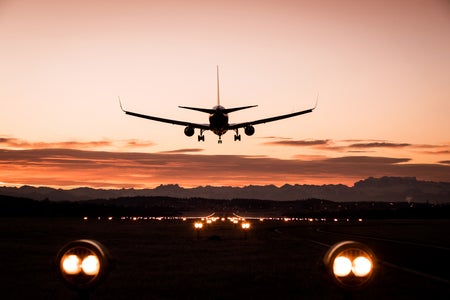
Could AI Have Prevented SkyWest Airliner’s Near Collision with a B-52 Bomber?
A SkyWest pilot’s last-second decision could have prevented a collision that air-traffic controllers may not have foreseen

July/August 2025: Science History from 50, 100 and 150 Years Ago
Toxic cigars; dueling with a swordfish
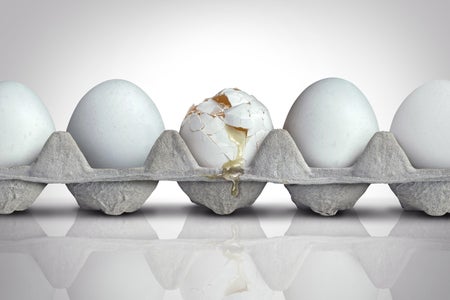
Science-Backed Ways to Stay Healthy during Salmonella Outbreak in Eggs
To prevent Salmonella food poisoning, refrigerate your eggs, cook them well, never eat them raw and clean, clean, clean
June 2025: Science History from 50, 100 and 150 Years Ago
White ants; vacations in the mud
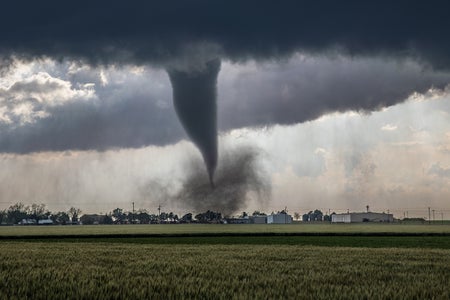
The New Tornado Alley Has Been Hyperactive this Year
More tornadoes than usual have already struck the U.S. in 2025—and many of them have been touching down farther east than they had in the past
May 2025: Science History from 50, 100 and 150 Years Ago
Old-time graffiti; balloon deaths
April 2025: Science History from 50, 100 and 150 Years Ago
Mysterious gamma rays; snake-eating snake
March 2025: Science History from 50, 100 and 150 Years Ago
Color blindness; the end of fire
February 2025: Science History from 50, 100 and 150 Years Ago
Ant talk; vegetation on Mars
January 2025: Science History from 50, 100 and 150 Years Ago
The J particle; a nitroglycerin engine
December 2024: Science History from 50, 100 and 150 Years Ago
Alcohol in space; basking in the limelight
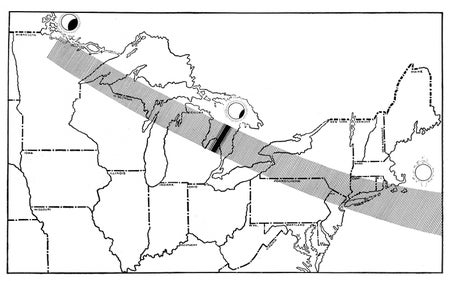
November 2024: Science History from 50, 100 and 150 Years Ago
Computer chess champ; dental chloroform killer
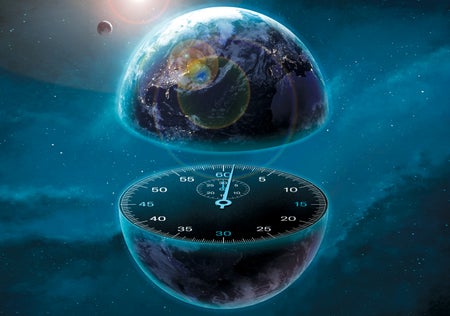
Should We Abandon the Leap Second?
We have been adding “leap seconds” to time kept by our atomic clocks, but soon we may have to subtract one. Are the tiny adjustments worth the bother?
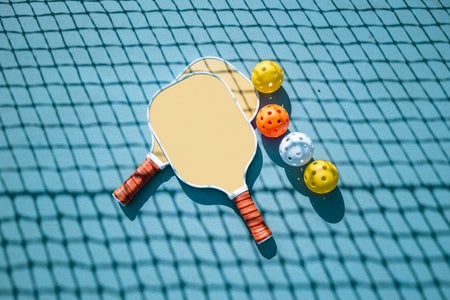
Pickleball Physics Explained, from Balls and Paddles to Shots
“Professor Pickleball” reveals the science behind the U.S.’s fastest-growing sport