
Climate ChangeSeptember 24, 2024
As Earth’s Climate Unravels, More Scientists Are Ready to Test Geoengineering
More and more climate scientists are supporting experiments to cool Earth by altering the stratosphere or the ocean
Mark Fischetti was a senior editor at Scientific American for nearly 20 years and covered sustainability issues, including climate, environment, energy, and more. He assigned and edited feature articles and news by journalists and scientists and also wrote in those formats. He was founding managing editor of two spin-off magazines: Scientific American Mind and Scientific American Earth 3.0. His 2001 article “Drowning New Orleans” predicted the widespread disaster that a storm like Hurricane Katrina would impose on the city. Fischetti has written as a freelancer for the New York Times, Sports Illustrated, Smithsonian and many other outlets. He co-authored the book Weaving the Web with Tim Berners-Lee, inventor of the World Wide Web, which tells the real story of how the Web was created. He also co-authored The New Killer Diseases with microbiologist Elinor Levy. Fischetti has a physics degree and has twice served as Attaway Fellow in Civic Culture at Centenary College of Louisiana, which awarded him an honorary doctorate. In 2021 he received the American Geophysical Union’s Robert C. Cowen Award for Sustained Achievement in Science Journalism. He has appeared on NBC’s Meet the Press, CNN, the History Channel, NPR News and many radio stations.
As Earth’s Climate Unravels, More Scientists Are Ready to Test Geoengineering
More and more climate scientists are supporting experiments to cool Earth by altering the stratosphere or the ocean
October 2024: Science History from 50, 100 and 150 Years Ago
Best baseball batting order; mummies demystified
September 2024: Science History from 50, 100 and 150 Years Ago
Mysterious Mercury; spiders predict the weather
July/August 2024: Science History from 50, 100 and 150 Years Ago
Death rays; the sawfly’s barf defense

June 2024: Science History from 50, 100 and 150 Years Ago
Walking barefoot on hot stones; what makes bluebirds blue
May 2024: Science History from 50, 100 and 150 Years Ago
Pavlov’s dogs; Mercury’s dark side
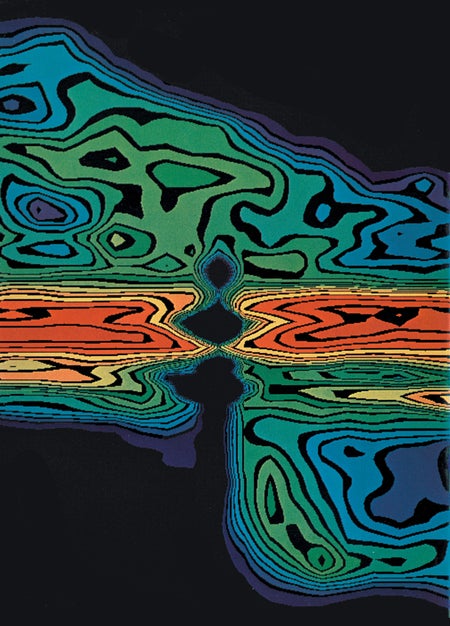
April 2024: Science History from 50, 100 and 150 Years Ago
Chromosome cats; Louis Pasteur, master brewer
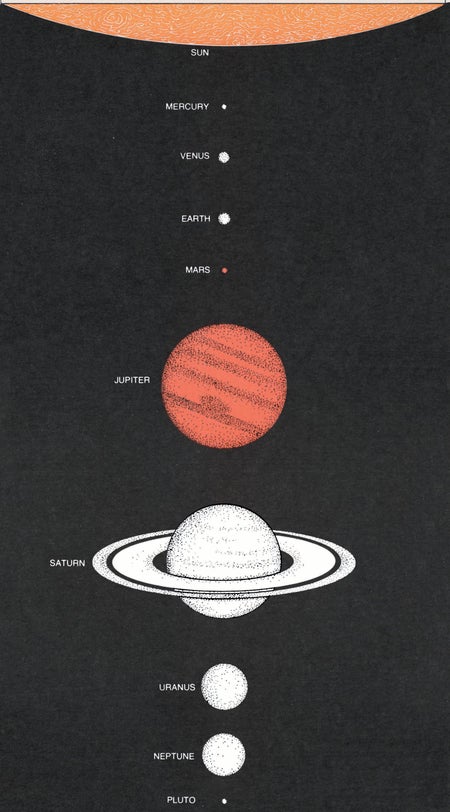
March 2024: Science History from 50, 100 and 150 Years Ago
Hashish addiction; a pension for Madame Curie
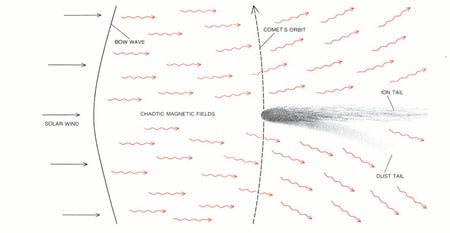
February 2024: Science History from 50, 100 and 150 Years Ago
Curious dinosaur eggs discovered; element 72 named
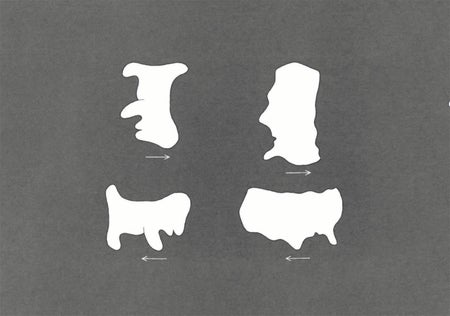
January 2024: Science History from 50, 100 and 150 Years Ago
Sleep potion; top speed limits
December 2023: Science History from 50, 100 and 150 Years Ago
Black hole sun; the deepest mine
History: November 2023
Mayan eclipses; birds sense cholera

History: October 2023
Earth as a zoo; sunburned eyes

Wine’s True Origins Are Finally Revealed
A broad genetic study has revised the prevailing narrative about how wine grapes spread around the world
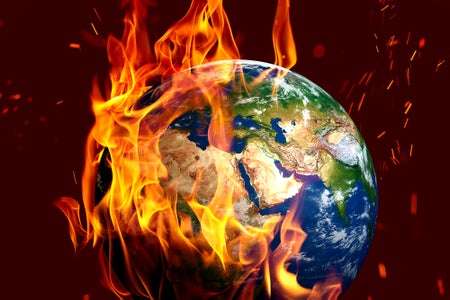
Our Fragile Earth: How Close Are We to Climate Catastrophe?
Lessons from past eras when Earth was a hothouse or a snowball tell us whether we are doomed by climate change or still have time to prevent that fate
50, 100 & 150 Years Ago: September 2023
Drunk intestines; speedy pigeons
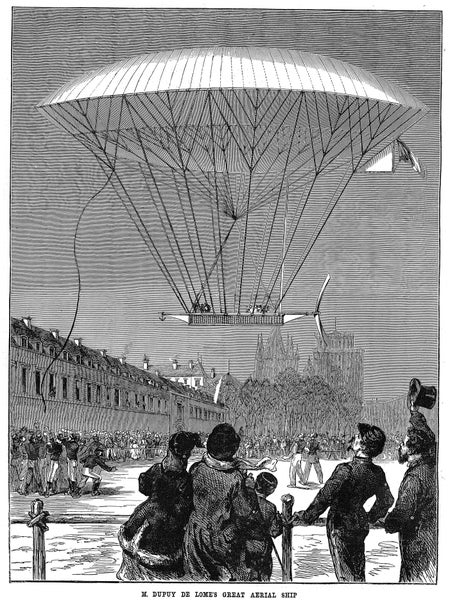
50, 100 & 150 Years Ago: July 2023
Crater mystery explained; Bunsen’s burner
50, 100 & 150 Years Ago: June 2023
Computer chess master; private bathing for birds
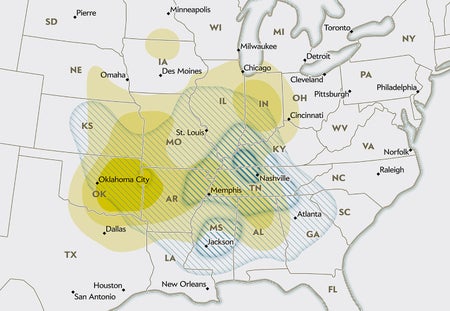
Watch Out: Tornado Alley Is Migrating Eastward
Tornado outbreaks are moving from Texas and Oklahoma toward Tennessee and Kentucky, where people may not be prepared
50, 100 & 150 Years Ago: May 2023
King Tut’s bountiful tomb; music from fire
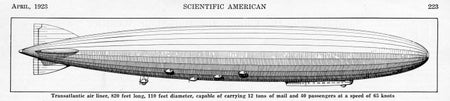
50, 100 & 150 Years Ago: April 2023
Artificial rain; a scientist lives on Vesuvius
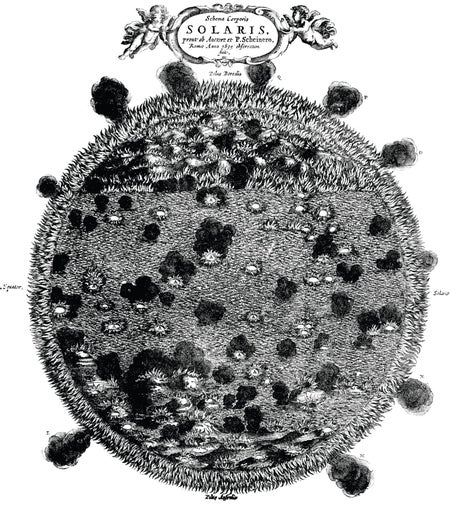
50, 100 & 150 Years Ago: March 2023
The best asbestos; Roe v. Wade decided

7 Ways Jimmy Carter Has Improved America’s Energy Future—Or Tried To
As U.S. president, Jimmy Carter championed renewable energy, conservation and other then fringe efforts that are powerhouses today
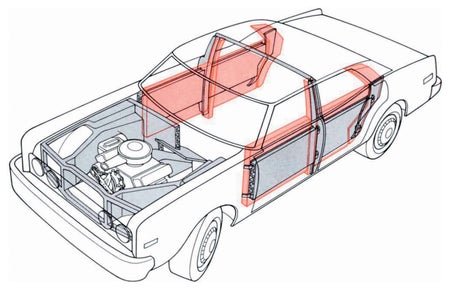
50, 100 & 150 Years Ago: February 2023
Paranoid computer; Mount Everest not the highest