
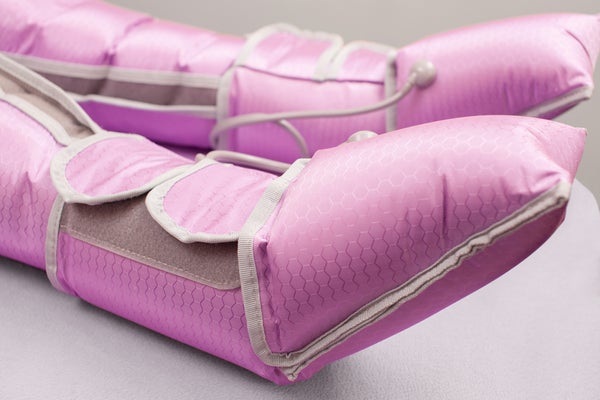

Recovery is a complicated fitness area to navigate. It means different things to different athletes, and each one has their favorite recovery ritual. The problem gets compounded when you introduce something as complex as compression. It can be applied statically or intermittently, and it varies from gentle pressure to very intense medical support. There are many factors to consider when you ask the question: does compression truly aid in athletic recovery?
To help me get through this topic and to help us understand how a device like the NormaTec external pneumatic compression systems works, I brought in Jeff Martin, Assistant Dean of Basic Medical Sciences and Associate Professor of Physiology at the DeBusk College of Osteopathic Medicine at Lincoln Memorial University, Knoxville, to help us along. As Jeff says, he has "had marked interest and has been involved in research with external pneumatic compression for quite some time now."
On supporting science journalism
If you're enjoying this article, consider supporting our award-winning journalism by subscribing. By purchasing a subscription you are helping to ensure the future of impactful stories about the discoveries and ideas shaping our world today.
Let's start here: compression technology is confusing. To make matters worse, the message behind it can be misleading. The intersection of research and marketing creates confusion. Even professional sports coaches—who struggle to keep their players on the court, field, or ice—can't keep up with the real science. This is why we still see outdated activities like static stretching on the sidelines of football games and hear about ice baths administered during multi-stage triathlons.
Although the science is confusing, the anecdotes are clear—athletes like their recovery rituals.
What is compression?
In a nutshell, compression is simply applying circumferential pressure to the body using fabric or medical materials (like wraps or bandages).
Intermittent Pneumatic Compression (IPC) or External Pneumatic Compression (EPC) is essentially the same but more complicated. It is pulsating pressure that surrounds the body by using inflatable sleeves or boots. In theory, the sequence—or pattern that the pressure is applied with—will help with the circulation of blood and lymph, which is something that our circulatory system does extremely efficiently. At least in a healthy individual.
There's evidence to indicate that this process is indeed effective in disease models (or when applied to someone with compromised circulation), but the evidence gets more complicated when healthy and fit athletes are using these compression technologies. Just because compression helps someone with medically diagnosed circulation issues, will it also help someone with very good circulation like an athlete?
Continue reading “Can Pneumatic Compression Help You Recover Faster?” on QuickAndDirtyTips.com