Can You Have Too Much “Good” (HDL) Cholesterol?

A new study suggests that too much “good” cholesterol may be just as bad as too little. Dr. Sanaz Majd joins Nutrition Diva to sort out what this new research means for our heart health and risks

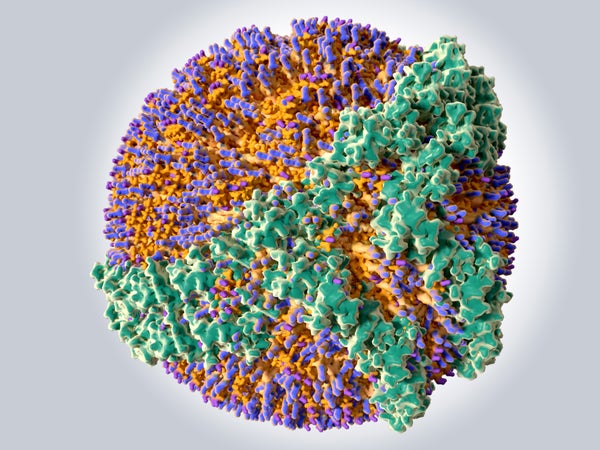
High Density Lipoprotein (HDL) molecule. 

Join Our Community of Science Lovers!

A couple of weeks ago, I had some basic blood work done for my routine physical. All the numbers looked pretty good, but my doctor and I were high-fiving each other about my HDL score, which was 88 mg/dL.

Just by way of a quick review, there are lots of different kinds of cholesterol in your blood, and HDL (which stands for high density lipoprotein) is the one we often refer to as the “good” cholesterol. We don’t want it to be too low because having an HDL level below 40 mg/dL puts you at increased risk for heart disease. And that’s why you’ll find several articles in the Nutrition Diva podcast with strategies for increasing your HDL


On supporting science journalism

If you're enjoying this article, consider supporting our award-winning journalism by subscribing. By purchasing a subscription you are helping to ensure the future of impactful stories about the discoveries and ideas shaping our world today.


So, I was feeling pretty smug about having an HDL level that was almost twice that target. But then a couple of days later, a new study came out with some surprising findings.

Although low HDL levels are a risk factor for heart disease, this study found that very high HDL levels (such as mine) may not be cause for celebration. In this study, those with HDL levels higher than 60 also had an increased risk for heart attack or death due to heart disease.

My first call was to my friend and physician Dr. Sanaz Majd to ask her whether or not having high HDL levels is something we need to worry about.

»Continue reading “Can You Have Too Much ‘Good’ (HDL) Cholesterol?” on QuickAndDirtyTips.com

It’s Time to Stand Up for Science

If you enjoyed this article, I’d like to ask for your support. Scientific American has served as an advocate for science and industry for 180 years, and right now may be the most critical moment in that two-century history.

I’ve been a Scientific American subscriber since I was 12 years old, and it helped shape the way I look at the world. SciAm always educates and delights me, and inspires a sense of awe for our vast, beautiful universe. I hope it does that for you, too.

If you subscribe to Scientific American, you help ensure that our coverage is centered on meaningful research and discovery; that we have the resources to report on the decisions that threaten labs across the U.S.; and that we support both budding and working scientists at a time when the value of science itself too often goes unrecognized.

In return, you get essential news, captivating podcasts, brilliant infographics, can't-miss newsletters, must-watch videos, challenging games, and the science world's best writing and reporting. You can even gift someone a subscription.

There has never been a more important time for us to stand up and show why science matters. I hope you’ll support us in that mission.

Thank you,

David M. Ewalt, Editor in Chief, Scientific American

Subscribe