
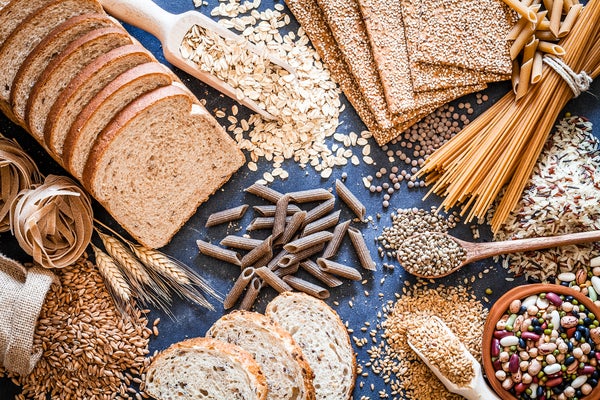

Fiber may seem like a somewhat frumpy nutrient, but it is actually one of the hottest nutrition topics right now. That’s partly because fiber plays such a big role in the health and function of the gut microbiota. And anything to do with the microbiome is trending—for good reason!
The way we define and categorize fiber has also gotten a complete overhaul in recent years. We used to think of fiber simply as “roughage;” the parts of plants that our digestive system could not break down and convert into energy.
On supporting science journalism
If you're enjoying this article, consider supporting our award-winning journalism by subscribing. By purchasing a subscription you are helping to ensure the future of impactful stories about the discoveries and ideas shaping our world today.
Dietary fiber was further broken down into soluble and insoluble fiber. Soluble fiber, like that in oat bran, was thought to act like a sponge, soaking up cholesterol and keeping it out of your bloodstream. Insoluble fiber, like that in wheat bran, was thought to work more like a broom, helping to move waste through the system.
We now recognize that fiber does a lot more than soak stuff up and move stuff out. And the list of benefits attributed to fiber has been expanded to include reduced inflammation, enhanced immune function, appetite and weight control, enhanced nutrient absorption, better blood sugar control, and Type 2 diabetes prevention. A lot of this happens via the microbiome: the fiber in our diet affects the number and variety of beneficial bacteria in our gut.
The fiber story is far more complex (and interesting!) than we ever imagined. Instead of just recommending you add more fiber to your diet in general, we now know that specific types of fiber have different effects. If you’re looking for a particular benefit, you’d want to match your choices to your concern. (And at the end of this article, you’ll find an infographic to help you do just that.)
But first, let’s just get our terminology straight.