New Issue: Orbital Catastrophe Ahead? Read Now

How Birth Control Pills Affect Your Nutritional Needs

Prescription medications can affect your body's absorption and utilization of nutrients. If you use birth control pills or HRT, make sure you're getting enough of these nutrients

Join Our Community of Science Lovers!

Scientific American presents Nutrition Diva by Quick & Dirty TipsScientific American and Quick & Dirty Tips are both Macmillan companies.

Whenever I watch the evening news, I’m amazed by all the ads marketing prescription medications directly to consumers, suggesting that you ask your doctor whether you should be on the latest, greatest drug. Call me old-fashioned but I certainly hope that my doctor isn’t relying on me to suggest which new drugs I should be on - because I only watch the evening news once in a while.

They are required to list potential side effects in these ads, of course, leading to those bizarre and disturbing recitations, that they read quickly while we watch an attractive older couple go antiquing or bird-watching: “may cause snoring, wheezing, itchy belly-button, left-handedness, excessive use of puns, or death.” Uh, thanks for sharing.


On supporting science journalism

If you're enjoying this article, consider supporting our award-winning journalism by subscribing. By purchasing a subscription you are helping to ensure the future of impactful stories about the discoveries and ideas shaping our world today.


A Little Known Side Effect of Birth Control Pills
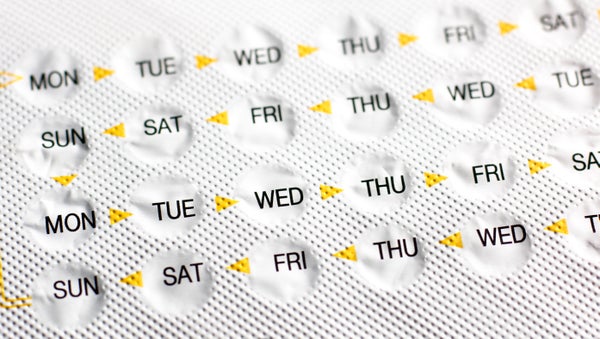
Well, this week, I want to shine the light on a little-known side effect of a prescription medication used by more than 10 million women in the U.S.  Birth control pills can deplete your body of several B vitamins (riboflavin, B6, B12, and folic acid), vitamin C, magnesium, and zinc. And because contraceptives are often taken over extended periods of time, even subtle effects could add up.

>> Continue reading on QuickAndDirtyTips.com

Subscribe to Support Independent Journalism

Great science journalism requires human expertise, time, effort and creativity. And it costs money. That’s why I and the journalists here at Scientific American hope you’ll join our community.

When you subscribe, you are supporting staff and freelance journalists who are passionate about telling science stories that are true, important and compelling. Our editors and reporters are often experts in their fields, which means they understand the nuances of big discoveries and can untangle the breakthroughs from the hype. With a subscription, you are also supporting rigorous fact-checking to ensure the words we publish are precise and accurate. And you’re supporting original illustrations, graphics and photos that bring you closer to an advanced laboratory, an ice sheet in Antarctica or a space mission in orbit. You’re helping us craft other types of high-quality journalism as well: Our newsletters are carefully written, edited and curated by staffers you have or will come to know and love. Our Science Quickly podcast is based on original reporting, collaboration with editors and scientists and exacting production.

Subscriptions keep this engine running so we can continue to deliver thoughtful, rigorous and independent science journalism to you. In an era of viral misinformation, this work is crucial. If you value what we do, I hope you’ll consider joining us as a subscriber

Thank you,

Jeanna Bryner, Editor in Chief, Scientific American

Subscribe