
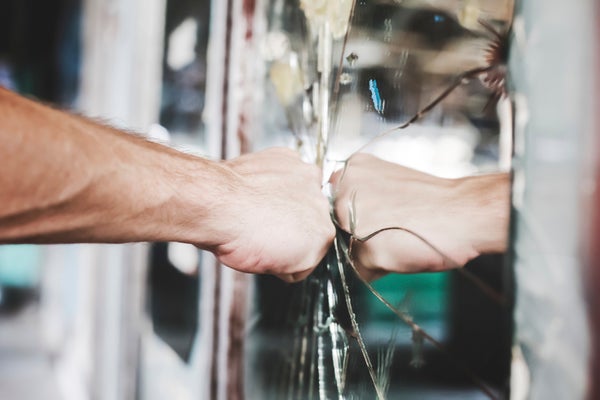

Toxic masculinity is best described as a box. It’s narrow, rigid, and men have to contort themselves to fit inside it.
To fit in the man box of toxic masculinity, a man must live by a particular set of beliefs and behaviors:
On supporting science journalism
If you're enjoying this article, consider supporting our award-winning journalism by subscribing. By purchasing a subscription you are helping to ensure the future of impactful stories about the discoveries and ideas shaping our world today.
Suffer pain in silence
Have no needs
Never lose
Show no emotions other than bravado or rage
Don’t depend on anyone
Don’t do anything that could be construed as weakness
Never snitch.
The man box also requires that men buy into a rigid hierarchy in which straight men are dominant over everybody else. Furthermore, among straight men, the man box decrees that hypermasculine men are dominant over men who reject or find themselves outside the box.
If you don’t fit in the man box, you pay the price. At best, you risk invisibility. At worst, you risk disrespect, bullying, or even violence.
But this scramble for dominance and denial of emotion comes at great cost. It blunts men’s awareness of other people’s needs and emotions, drives domestic and sexual violence, makes aggression look like a reasonable way to solve conflict, forbids seeking health care (and even thinking about seeking mental health care), and pours fuel on the fire of drug and alcohol abuse.
Toxic masculinity even invades life’s small pleasures. To paraphrase the comedian Bill Burr, the man box means you can’t admit a baby is cute, hug a puppy, say you want a cookie, order banana pancakes, or carry an umbrella in the rain (“Get those shoulders up!”).
Now, there is a difference between traditional masculinity and toxic masculinity: There is nothing toxic about working hard, providing for one’s family, winning at sports, or being loyal to friends. Most importantly, there’s nothing toxic about wanting to be respected. All humans want to feel respected—we all want to know we are valued, recognized, and affirmed.
While there’s nothing toxic about needing respect, taking desperate and extreme measures to force what looks like respect (but is actually fear) is a direct result of toxic masculinity. Men who don’t feel respected may make up for it by dominating others.
»Continue reading “How to Fight Toxic Masculinity” on QuickAndDirtyTips.com