
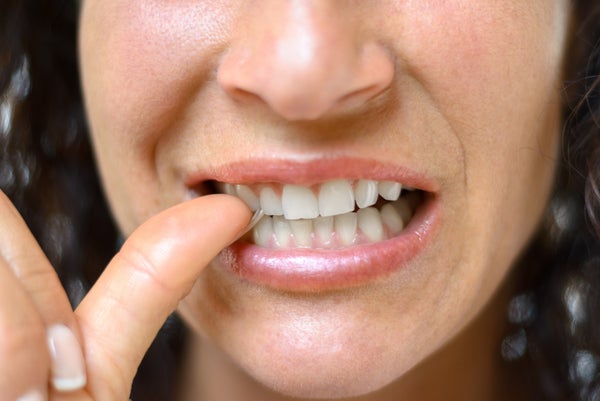
Nail biting—as well as its close cousins hair pulling, skin picking, knuckle cracking, lip chewing, cheek biting, and other body-focused repetitive habits—usually happens without a conscious decision; instead, we discover ourselves with the aftermath—nubby nails, a lip callus, or an accumulation of inadvertently pulled-out hair.
Body-focused habits can begin at any age, but they usually begin in childhood and peak in the pre-teen years—around ages 11 to 13. But whether you’re young or young at heart, if your nervous habits are bothering you, check out these 10 tips to stop body-focused behaviors like going dental on your digits.
Thanks to listener Sylvie Daley of Marshfield, Vermont for asking how to stop nail-biting, which inspired this week’s topic.
On supporting science journalism
If you're enjoying this article, consider supporting our award-winning journalism by subscribing. By purchasing a subscription you are helping to ensure the future of impactful stories about the discoveries and ideas shaping our world today.
Tip #1: Don’t worry—it’s not an indication of some deep, dark, unresolved issue. Instead, there’s evidence that hair pulling, nail biting, and other body-focused behaviors have a neurological origin and are genetically based. Hair pulling, for instance, seems to run in families. It even goes beyond our species; animals like monkeys, cats, dogs, and mice sometimes overgroom.
Continue reading on QuickAndDirtyTips.com.