If you're enjoying this article, consider supporting our award-winning journalism by subscribing. By purchasing a subscription you are helping to ensure the future of impactful stories about the discoveries and ideas shaping our world today.
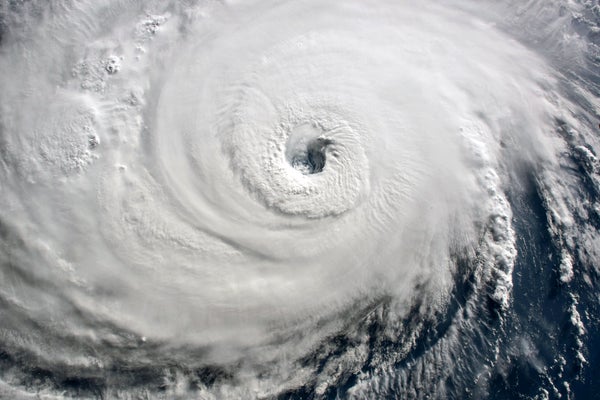
The World Meteorological Organization (WMO) announced last week that it will no longer use the names of Greek letters for hurricanes. Each year the WMO follows a list of 21 names for Atlantic hurricanes. Previously, when more storms arose, it would then apply letters in the Greek alphabet. The WMO says that strategy caused confusion and distraction in 2020, when there were a record 30 Atlantic storms. From now on, it will publish a supplemental list of appellations to draw on. This year the added Atlantic names include Deshawn, Orlanda and Viviana. The organization also retires the names of particularly deadly or destructive storms: those from the 2020 season are Laura, Eta and Iota, and Dorian is a late addition from 2019.All 89 previously retired names are shown in a Graphic Science column we published last summer (below).
Credit: Will Chase; Sources: NOAA hurricane database (storm dates, landfall information and classifications); Death and damage values compiled from a variety of government and news reports; Damage amounts were adjusted for inflation
Subscribe to Support Independent Journalism
Great science journalism requires human expertise, time, effort and creativity. And it costs money. That’s why I and the journalists here at Scientific American hope you’ll join our community.
When you subscribe, you are supporting staff and freelance journalists who are passionate about telling science stories that are true, important and compelling. Our editors and reporters are often experts in their fields, which means they understand the nuances of big discoveries and can untangle the breakthroughs from the hype. With a subscription, you are also supporting rigorous fact-checking to ensure the words we publish are precise and accurate. And you’re supporting original illustrations, graphics and photos that bring you closer to an advanced laboratory, an ice sheet in Antarctica or a space mission in orbit. You’re helping us craft other types of high-quality journalism as well: Our newsletters are carefully written, edited and curated by staffers you have or will come to know and love. Our Science Quickly podcast is based on original reporting, collaboration with editors and scientists and exacting production.
Subscriptions keep this engine running so we can continue to deliver thoughtful, rigorous and independent science journalism to you. In an era of viral misinformation, this work is crucial. If you value what we do, I hope you’ll consider joining us as a subscriber
Thank you,
Jeanna Bryner, Editor in Chief, Scientific American