
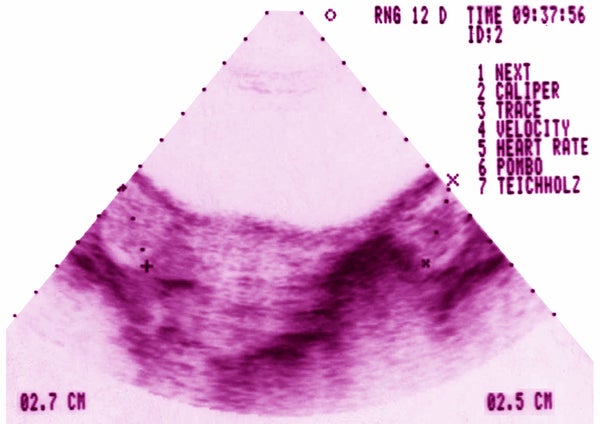
Polycystic ovary syndrome (PCOS) is no more. The condition, of course, still exists. But on Tuesday a global science consortium announced the term will be thrown out. In a policy paper, the panel explained that the name was “inaccurate” because it didn’t fully capture the condition’s metabolic and endocrine features—including the fact that it likely affects men, too.
The condition will now be called polyendocrine metabolic ovarian syndrome (PMOS)—the group hopes the new diagnosis will be more accurate, reduce stigma and bolster research. The decision affects the estimated more than 170 million people who have the syndrome. Long thought to be a gynecological disease that only affected people with ovaries, evidence suggests it is much more than that. Signs of the condition can include obesity and hypertension, depression, eating disorders, acne and infertility, among others. These “multisystem health impacts,” the paper’s authors write, are why PCOS needed to be reclassified as PMOS.
Many people go undiagnosed or misdiagnosed, while many more feel dissatisfied with their medical care and severe stigma, the authors write. Still, the effort to revise the term for the condition had stopped and started many times over the past two decades. Now researchers hope that the name change will spark new studies into syndrome, such as its genetic components—and perhaps potential treatments. Right now there is no U.S. Food and Drug Administration–approved therapeutic for the condition.
On supporting science journalism
If you're enjoying this article, consider supporting our award-winning journalism by subscribing. By purchasing a subscription you are helping to ensure the future of impactful stories about the discoveries and ideas shaping our world today.
First, the consortium needs to push through the new name change. In the policy paper, which was published in the Lancet, the authors lay out a plan for the World Health Organization and the International Classification of Diseases to adopt the new name over the next three years, meaning it could become the international standard in 2028.