CultureSeptember 15, 2026
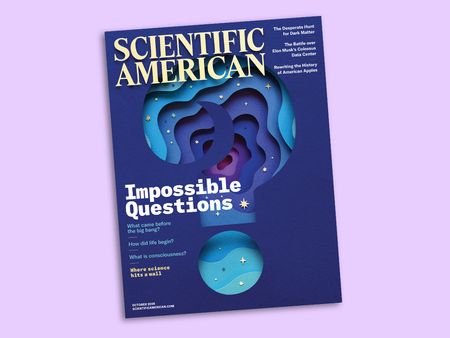
Finding meaning in the impossible
Some questions may never be answered, but maybe that’s not the point
Jeanna Bryner is editor in chief of Scientific American. Previously she was editor in chief of Live Science and, prior to that, an editor at Scholastic's Science World magazine. Bryner has an English degree from Salisbury University, a master’s degree in biogeochemistry and environmental sciences from the University of Maryland and a graduate science journalism degree from New York University. She has worked as a biologist in Florida, where she monitored wetlands and did field surveys for endangered species, including the gorgeous Florida Scrub Jay. She also received an ocean sciences journalism fellowship from the Woods Hole Oceanographic Institution. She is a firm believer that science is for everyone and that just about everything can be viewed through the lens of science.
Finding meaning in the impossible
Some questions may never be answered, but maybe that’s not the point
October 2026: Science history from 50, 100 and 150 years ago
Smallpox eradication; skyscraper excavations; research on the racetrack
September 2026: Science history from 50, 100 and 150 years ago
A heavenly read; a 25-foot eye; a case of double personality
SciAm is on the move
A recent change in ownership is an opportunity for SciAm to be even better and have some fun

Salty clouds discovered on pink puffball planet
A cold, cherry-blossom-hued exoplanet supports bizarre clouds chock-full of salts
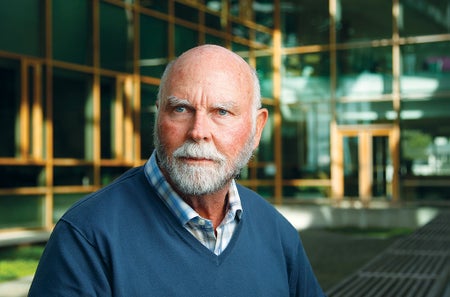
Craig Venter
In his final interview, the “swashbuckling” geneticist pointed the way for science

July/August 2026: Science history from 50, 100 and 150 years ago
Natural fission reactor uncovered; geometry of soap bubbles

Jaye Gardiner
Learning how the matrix around cells and tissues impacts cancers

Omar Yaghi
The Nobel laureate shares how artificial intelligence will change the way science is done
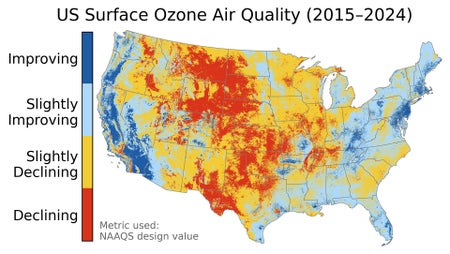
Increase in wildfire-driven ozone linked to premature deaths across the U.S.
Smog from wildfires is getting worse across much of the U.S., according to a NASA-funded study
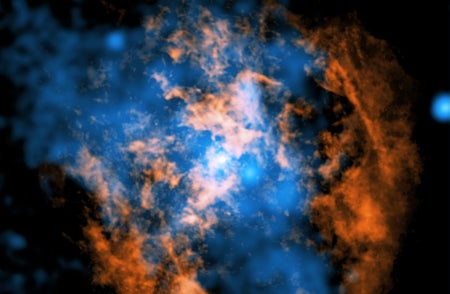
Astronomers just solved a 50-year-old mystery about the Milky Way’s black hole
A breeze is emanating from Sagittarius A* at the heart of our galaxy
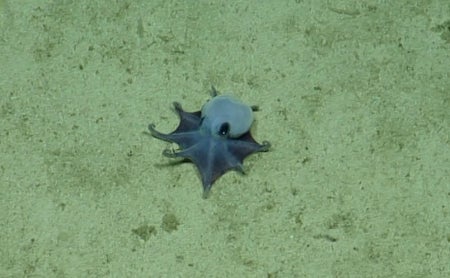
Tiny alienlike blue octopus discovered lurking off the Galápagos Islands
This teensy creature was discovered along a deep-sea mountain
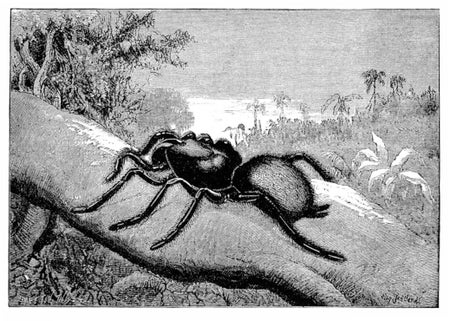
June 2026: Science history from 50, 100 and 150 years ago
Door-building spiders; a new quantum liquid
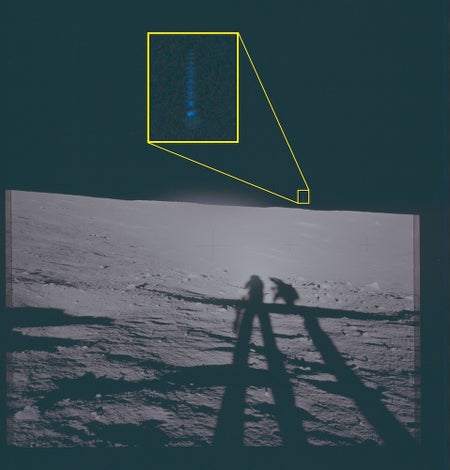
See the Pentagon’s new UFO image release
The Pentagon has started releasing files related to unidentified anomalous phenomena (UAP), also called UFOs. Here are the images released so far
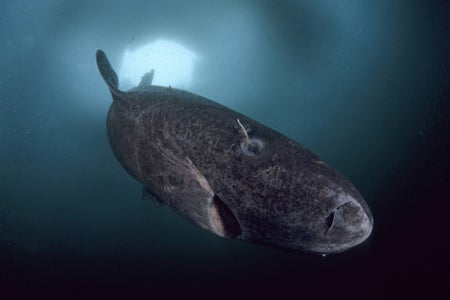
How Greenland sharks keep their hearts beating for centuries
Greenland sharks have hearts that can function normally for more than a century
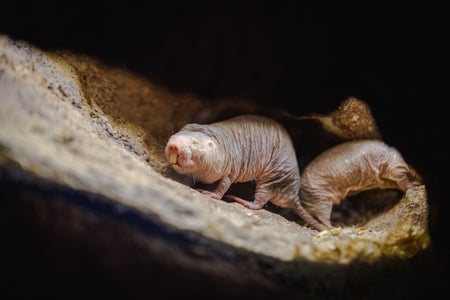
When a naked mole rat queen dies, that usually means war—but not for this colony
When their queen dies, naked mole rat females usually wage bloody battles of succession. But peace may be possible, a new study suggests

How a lost 1812 wristwatch sparked a 200-year race in precision engineering
Modern luxury watches can be traced back to one of Napoleon Bonaparte’s younger sisters

May 2026: Science history from 50, 100 and 150 years ago
Synchronous fireflies; Grand Canyon fossil footprints
April 2026: Science history from 50, 100 and 150 years ago
A quorum of quarks; asbestos surprises
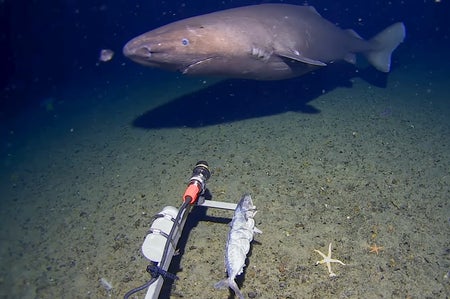
Elusive sleeper shark seen off Antarctica in a first
Scientists have captured footage of a sleeper shark farther south than ever before, suggesting Antarctica’s Southern Ocean is not shark-free
March 2026: Science history from 50, 100 and 150 years ago
A Greenland mystery; booming dunes
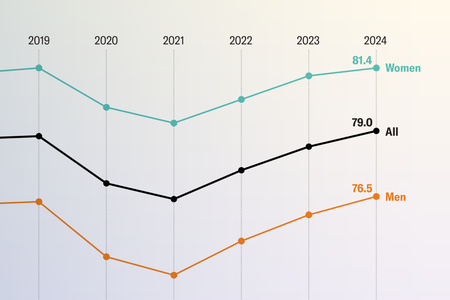
U.S. life expectancy hits all-time high
Americans are living longer than ever but still well behind the life expectancy of other developed countries
February 2026: Science history from 50, 100 and 150 years ago
Giant atoms; corpses for science
Video: Highlights from a Sickle Cell Disease Event
Scientific American hosted an event at Morehouse School of Medicine to highlight medical advances in treating sickle cell disease and how far we still have to go