
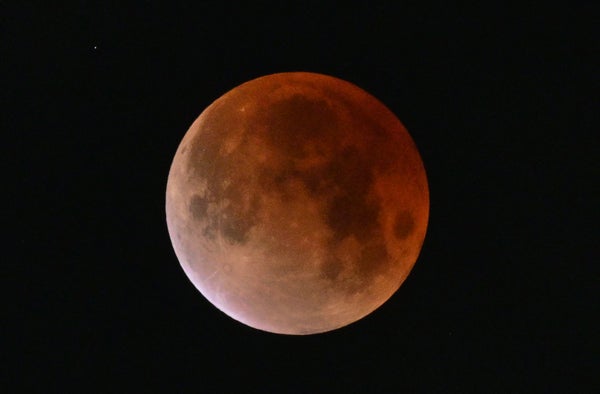
Early on Tuesday, a “blood moon” total lunar eclipse made our typically pearlescent moon appear a fiery crimson in what was the first and only total lunar eclipse of 2026.
A total lunar eclipse occurs when the Earth passes directly between the sun and moon. As the star’s light filters through Earth’s atmosphere, it casts a red hue onto the lunar surface that looks much like the shades of a sunset. In case you missed it, photographers across the world captured the moon flushed red.
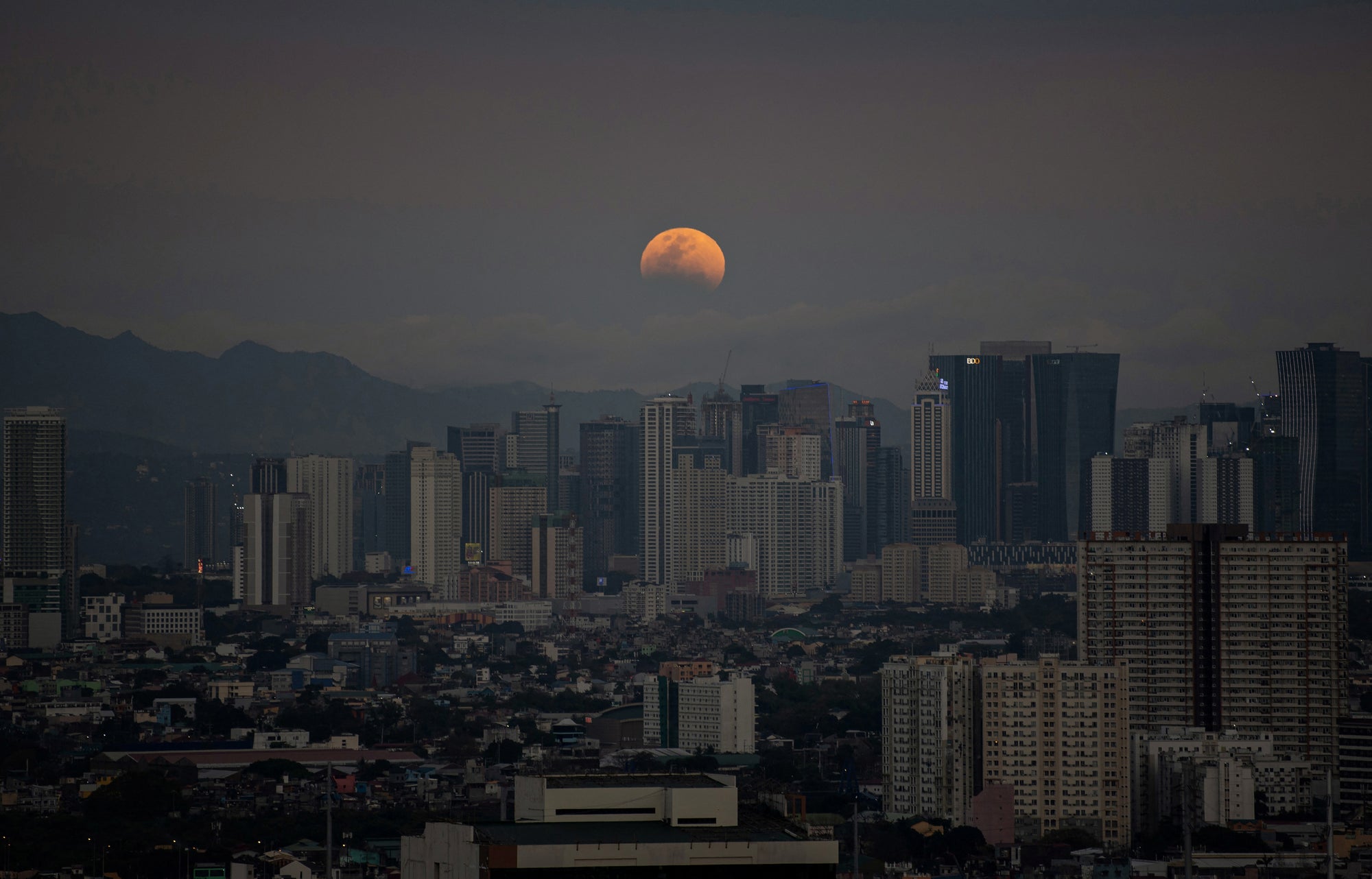
The blood moon over buildings in Manila.
Ted Aljibe/Getty Images
On supporting science journalism
If you're enjoying this article, consider supporting our award-winning journalism by subscribing. By purchasing a subscription you are helping to ensure the future of impactful stories about the discoveries and ideas shaping our world today.
The eclipse was at least partially visible to sky-gazers across Asia and Australia, as well as North and South America. For those able to see it, the period of “totality,” or when the moon was fully covered in Earth’s shadow, reportedly lasted almost one hour.
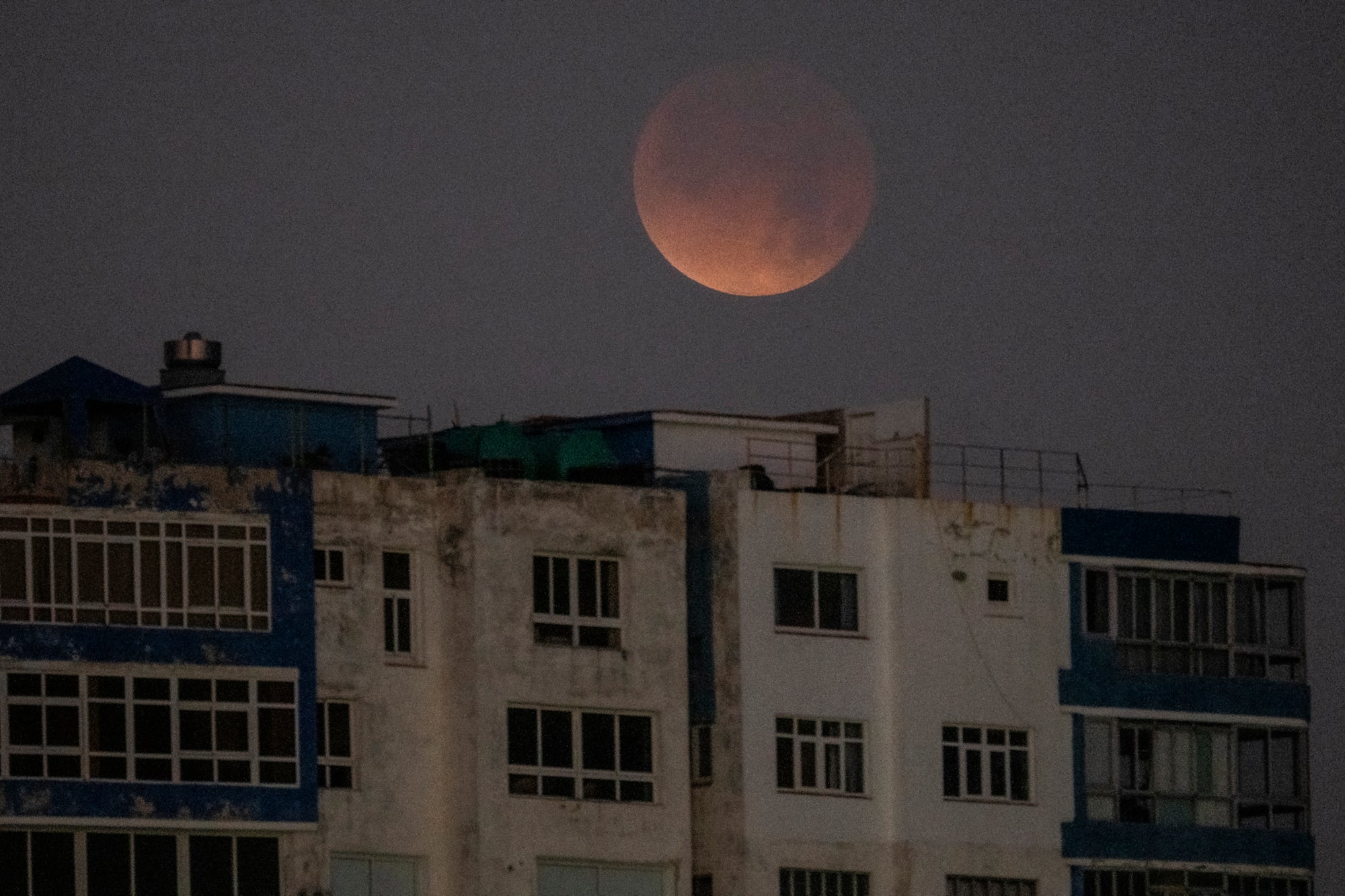
The blood moon, as seen from Havana, Cuba.
Yamil Lage/Getty Images
The next total lunar eclipse isn’t due until New Year’s Eve in 2028, but Earth will experience a total solar eclipse this August. Look to the skies on August 12 to see the moon pass entirely in front of the sun, casting a dark shadow over parts of Greenland, the Arctic, Portugal and Spain. A partial lunar eclipse will also be visible starting on August 27.
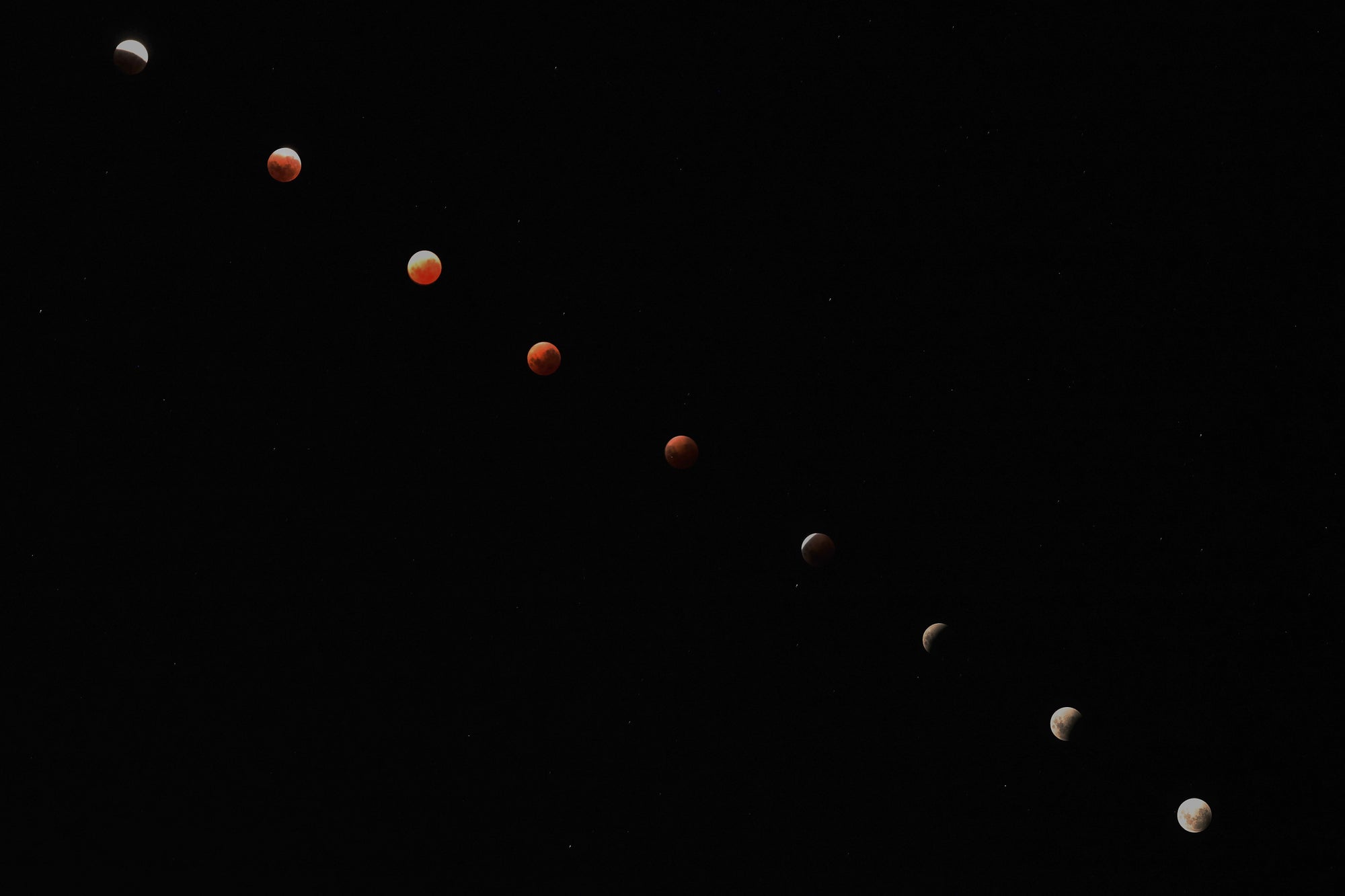
A multiexposure composite image of the blood moon in Auckland, New Zealand.
Phil Walter/Getty Images