
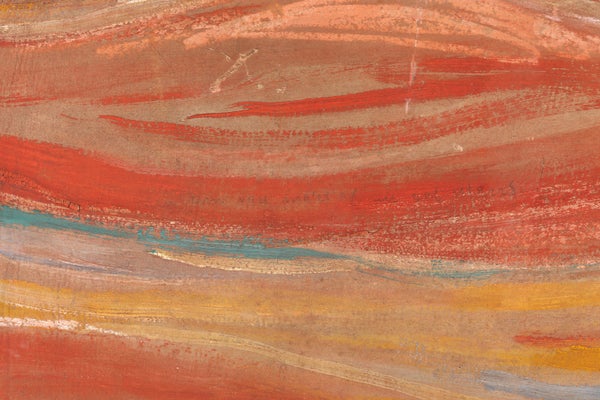
“Kan kun være malet af en gal Mand!” (“Can only have been painted by a madman!”) appears on Norwegian artist Edvard Munch’s most famous painting The Scream. Infrared images at Norway’s National Museum in Oslo recently confirmed that Munch himself wrote this note.
The inscription has always been visible to the naked eye, but the infrared images helped to more clearly distinguish the writing from its background. Comparing it with the artist’s handwriting then clearly proved Munch’s authorship.
“The finding closes the question about who the author of the inscription was,” says Mai Britt Guleng, a curator at the National Museum. “The [infrared] photo gave a clear image of the sentence, and this made it possible to systematically compare the handwriting, which is identical to Munch’s. The size of the letters are also too small for anyone to have written them as an act of vandalism.”
On supporting science journalism
If you're enjoying this article, consider supporting our award-winning journalism by subscribing. By purchasing a subscription you are helping to ensure the future of impactful stories about the discoveries and ideas shaping our world today.
The inscription was first noticed in 1904, 11 years after its creation. At that time, the artwork was exhibited in Copenhagen. Critics assumed that an outraged viewer had defaced the painting. The Expressionist work provoked discussion from the outset, with Munch’s state of mind being openly broached even in his presence. Art critic and museum director Henrik Grosch wrote at the beginning of the 20th century that this painting indicated that Munch “could no longer be considered “a serious man with a normal brain”—an opinion that was shared by others besides Grosch.
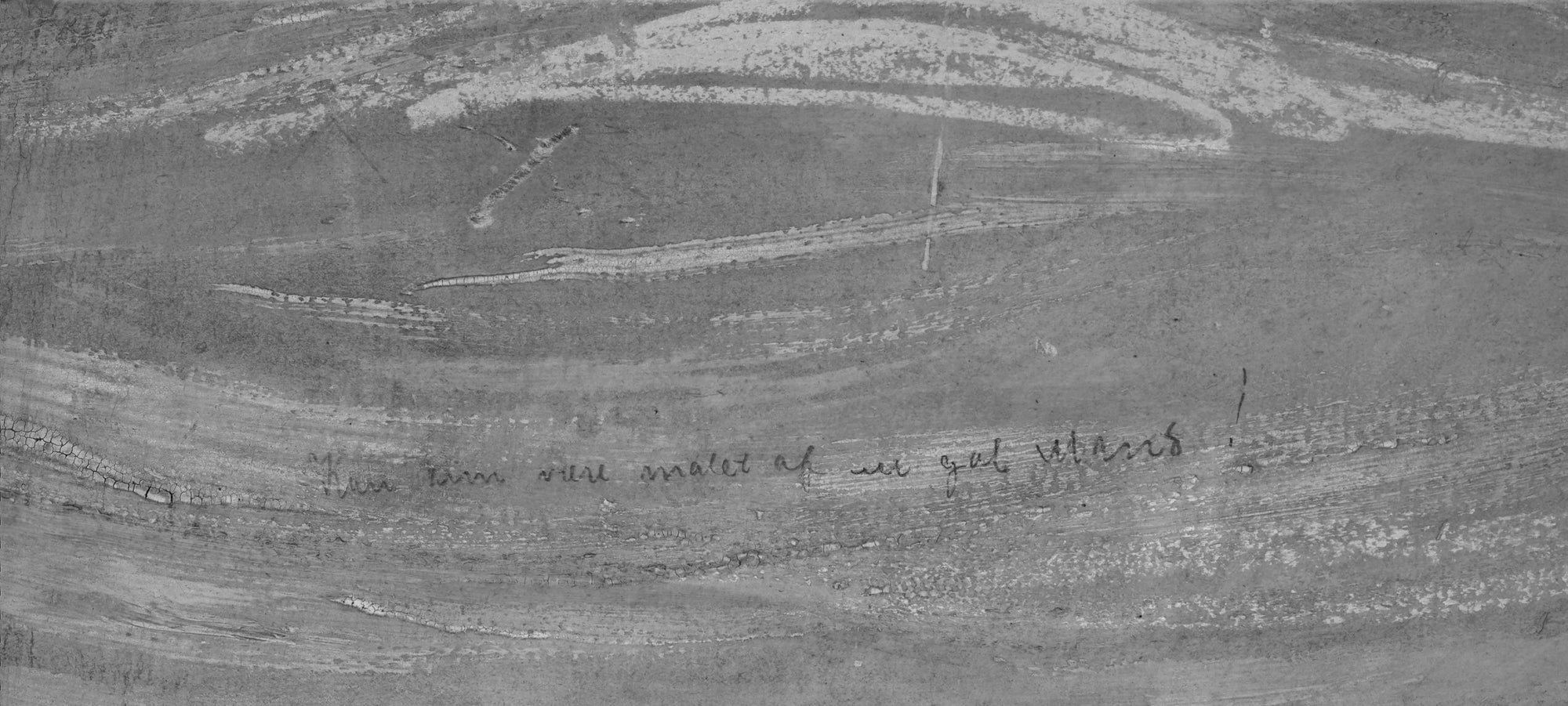
Infrared image of the inscription. Credit: Børre Høstland National Museum
Diary entries and letters by Munch demonstrate that the artist suffered from this perception. They show “a man who is both ready to provoke but who is also vulnerable,” Guleng says. Munch was concerned about hereditary illnesses. His grandfather and father suffered from melancholia, as depression was then called. Munch’s sister Laura was also treated in a psychiatric ward at times. “There was hereditary diseases in Munch’s family—mental, nervous illness and tuberculosis,”Guleng says. “Munch and his siblings were worried about this.”
The Scream was first exhibited in October 1895 at a private art gallery in Christiania, now Oslo. (There are four versions of the the painting, only one of which contains the note.) It was possibly written after a student club event, where participants debated The Scream and Munch’s mental state. Guleng says what Munch wrote was ironic. “The inscription says that the painting could only have been painted [by] a madman,” Guleng says. “Coming from the artist himself, who clearly did not believe himself to be mad, [it] is ironic. The inscription can also be seen as a way to take control of his own life and his own feelings. It is an unorthodox thing to do—to write on your own painting. However, in this way, he shows that he is in charge of the situation.”
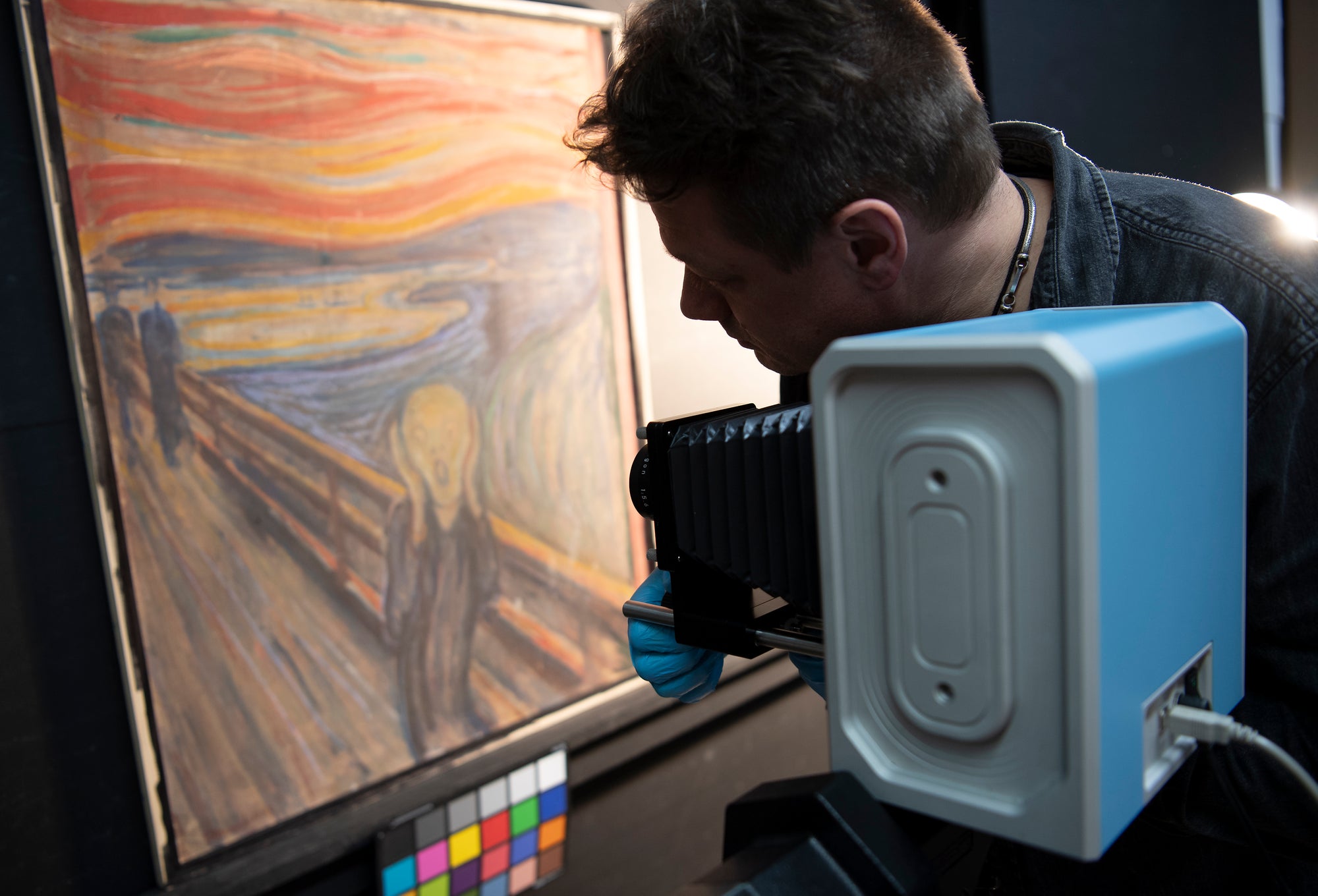
Infrared technology discovered that the writing on the painting belonged to Munch. Credit: Annar Bjorgli National Museum
This article originally appeared in Spektrum der Wissenschaft and was reproduced with permission.