
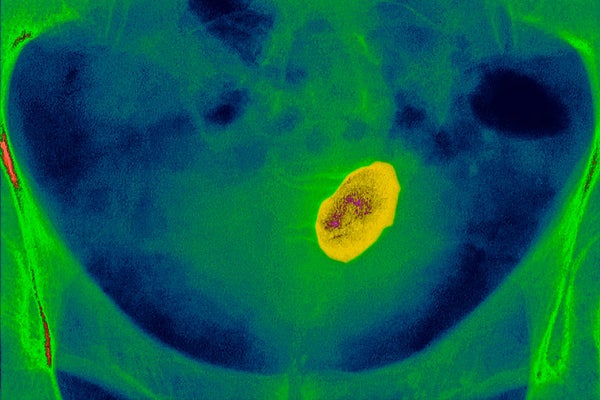

As anyone who has ever had one can attest, passing a kidney stone is something you’re not likely to forget ... or remember fondly. Although dietary measures are not 100% effective in preventing stones, they can definitely reduce your risk.
What causes kidney stones?
On supporting science journalism
If you're enjoying this article, consider supporting our award-winning journalism by subscribing. By purchasing a subscription you are helping to ensure the future of impactful stories about the discoveries and ideas shaping our world today.
Kidney stones can form when compounds that are normally found in urine form crystals and start to clump together. They may be as small as a grain of sand or as large as a small pebble. Small stones may pass out of the body without you noticing. If larger stones start to migrate through the urinary tract, you’re going to notice!
Although the pain of passing a kidney stone can be excruciating, they usually pass without causing any further damage. In rare cases, surgery or other treatment may be required. But in most cases, the only treatment is medication to alleviate the pain while they are on the move.
Who gets kidney stones?
About 1 in 10 people will experience a kidney stone at some point during their lifetime, and men are about twice as likely as women. Kidney stones generally occur after age 30, although it’s possible for a younger person to have one as well. Once you’ve had a kidney stone, you’re at a significantly higher risk for future stones.
The tendency to form kidney stones tends to run in families, so if your parents or siblings have had stones, you may be at increased risk. Whether or not you have a family history of stones, though, certain dietary habits can increase or reduce your risk.
How to prevent kidney stones
Drink lots of water. The most important thing to do to prevent kidney stones is to drink plenty of water, which helps flush compounds out of the kidneys before they can start making trouble.
Reduce salt. Excessive sodium intake can also concentrate the urine, making stone formation more likely.
Eat your veggies. A diet high in fruits and vegetables, which raises the pH of the urine, can help prevent kidney stones.
Keep protein intake moderate. High protein diets, which lower the pH of your urine, can make kidney stones more likely. If you are nervous about kidney stones, you’ll probably want to stick to a moderate protein diet and get at least some of your protein from plants.
Get enough calcium. A low calcium diet can also be a risk factor. This fact surprises a lot of people because kidney stones often contain a lot of calcium, which seems to suggest that too much calcium would be to blame. But it’s actually the opposite. When your diet is higher in calcium, less of it is absorbed in the digestive tract and less ends up in the urine. The best way to get calcium is by eating a variety of calcium-containing foods (such as dairy products, leafy greens, tofu, canned fish) throughout the day. Taking your entire dietary allowance of calcium at one time in the form of a supplement, on the other hand, may slightly increase your risk of stones.
»Continue reading “What to Eat to Prevent Kidney Stones” on QuickAndDirtyTips.com