
AstrophysicsNovember 22, 2023
Mysterious ‘Tasmanian Devil’ Space Explosion Baffles Astronomers
Scientists still can’t explain what is causing unusually bright explosions in space—but a surprising observation might offer clues
Mysterious ‘Tasmanian Devil’ Space Explosion Baffles Astronomers
Scientists still can’t explain what is causing unusually bright explosions in space—but a surprising observation might offer clues
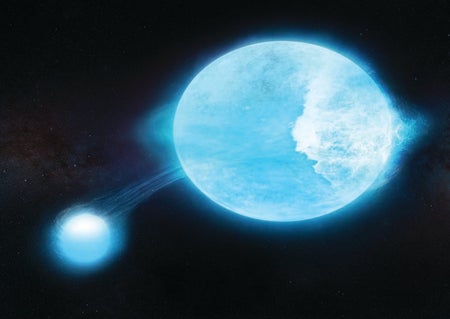
‘Heartbreak’ Stars Cause Enormous, Tumultuous Waves in Their Partners
Two orbiting stars are causing unsustainably large tides as they draw closer together

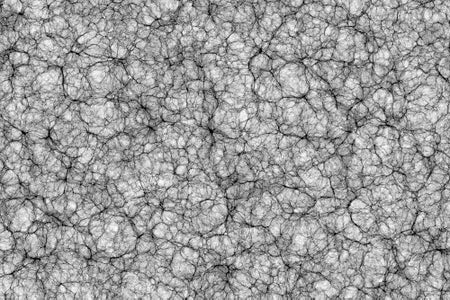
A Possible Crisis in the Cosmos Could Lead to a New Understanding of the Universe
Several unexplained measurements are threatening to upend scientists’ understanding of the universe’s origin and fate
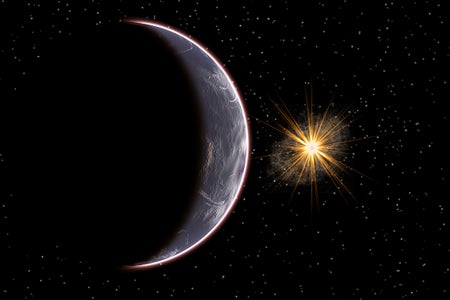
‘Modified’ Gravity May Make Planet Nine Disappear
Strange patterns in the orbits of small objects in the outer solar system could be explained by gaps in our understanding of gravity rather than an as-yet-unseen new world
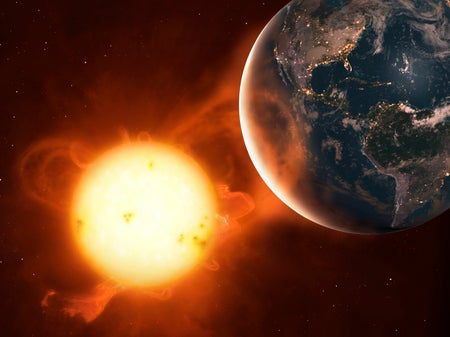
Traces of Oldest and Largest Solar Storm Found in Buried French Forest
An enormous “Miyake event”—a bombardment of Earth by particles from the sun—hit 14,300 years ago. Such an event today would have devastating effects
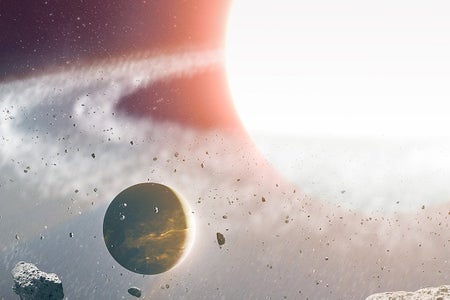
Can Lucky Planets Get a Second Chance at Life?
Worlds around red giant stars—and others that don’t orbit any star at all—hint at an unexpected diversity of possibilities for planets and life in the universe
Song of the Stars, Part 3: The Universe in all Senses
An astronomy festival in Italy opted to make all of its events and workshops multisensory. The organizers wanted to see whether sound, touch and smell can, like sight, transmit the wonders of the cosmos.
Song of the Stars, Part 2: Seeing in the Dark
A blind astronomer “sonified” the universe’s most explosive events: gamma-ray bursts. By listening to, rather than looking at, the data, she made a critical discovery and changed the field of astronomy.

Song of the Stars, Part 1: Transforming Space into Symphonies
Space is famously silent, but astronomers and musicians are increasingly turning astronomical data into sound as a way to make discoveries and inspire people who are blind or visually impaired.
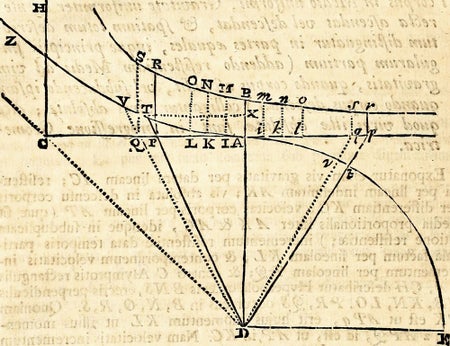
Mistranslation of Newton’s First Law Discovered after Nearly 300 Years
A new interpretation of Isaac Newton’s writings clarifies what the father of classical mechanics meant in his first law of motion
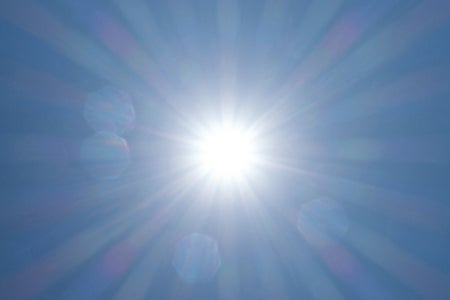
What Color Is the Sun?
Yellow, white or maybe even green—the sun’s hue depends on how you see it
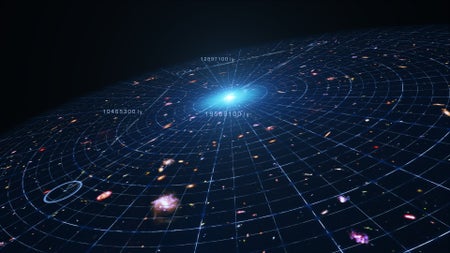
Will the Universe Ever Stop Expanding?
Scientists debate what the future of the cosmos looks like and whether space will ever stop getting bigger and bigger