
ComputingDecember 1, 2017
Quantum Leaps in Quantum Computing?
New “qubit” designs could enable more robust quantum machines
Charles Q. Choi is a frequent contributor to Scientific American. His work has also appeared in The New York Times, Science, Nature, Wired, and LiveScience, among others. In his spare time, he has traveled to all seven continents.
Quantum Leaps in Quantum Computing?
New “qubit” designs could enable more robust quantum machines
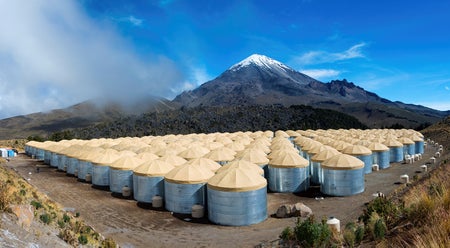
Through a Gas, Darkly: Scientists Trace the Origins of Earth’s Antimatter
Dark matter, rather than pulsars, may be behind an excess of antimatter bombarding our planet
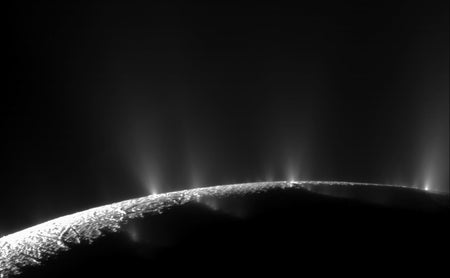
A Porous Core May Heat the Ocean of Enceladus
Study suggests the internal ocean could remain warm for billions of years
Space-Based Test Proves Light's Quantum Weirdness
Lasers bounced off satellites replicate classic “delayed choice” experiment
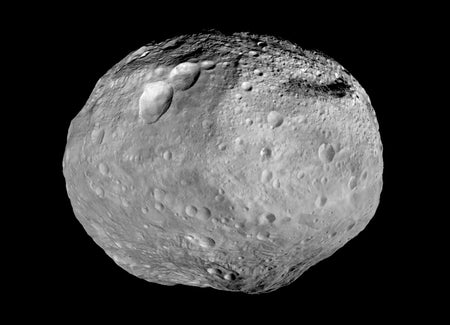
Giant Asteroid Vesta May Have Buried Ice
A new study using data from NASA’s Dawn mission suggests ice may exist beneath smooth patches of the asteroid’s surface
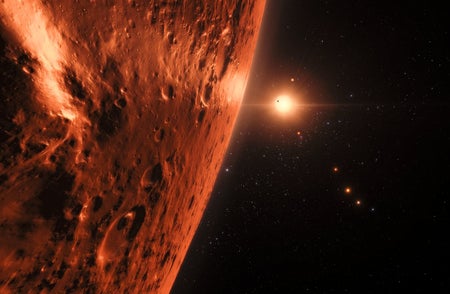
Nearby Earth-Size Exoplanets May Have Water
Data from NASA’s Hubble Space Telescope suggests some of TRAPPIST-1’s worlds could be habitable
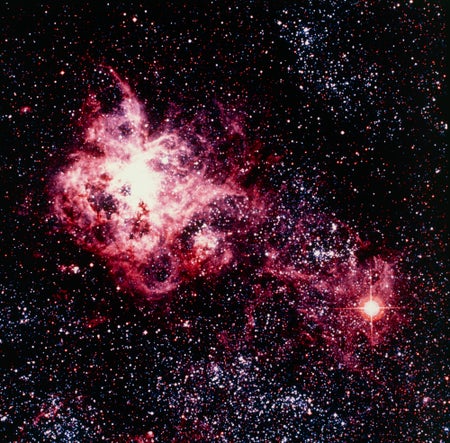
Famous 600-Year-Old Nova Pinpointed in Modern Day
The result sheds new light on the long-term evolution of these stellar explosions
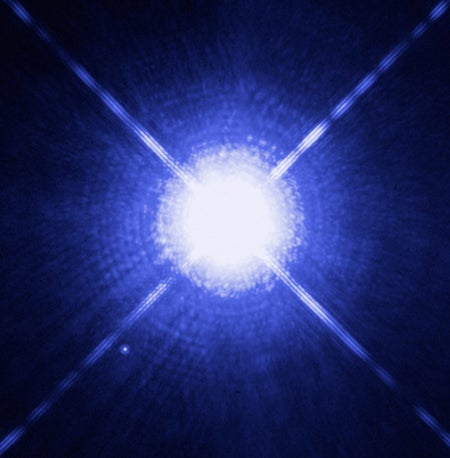
Strange Dead Star Could Be Remnant of Mini-Supernova
Studies of the white dwarf LP 40-365 could reveal new details about mysterious stellar explosions
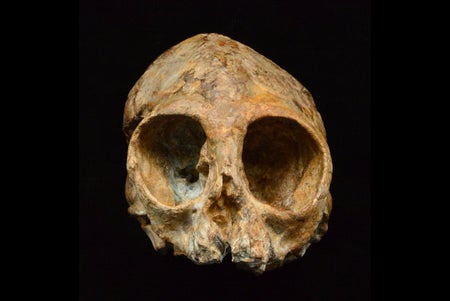
Fossil Reveals What Last Common Ancestor of Humans and Apes Looked Like
The 13-million-year-old infant skull may have resembled a baby gibbon
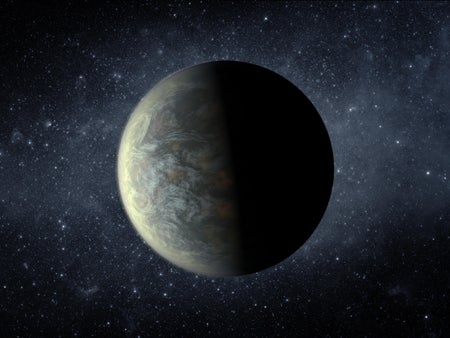
Icy Worlds May Bypass Habitability
New research suggests cold, Mars-like planets will, once warmed, skip over any Earth-like phase to Venus-like conditions
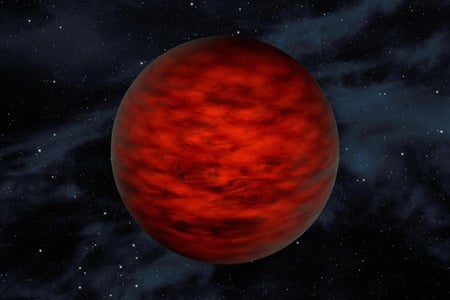
Rogue "Double Planet" Proves to Be 2 Failed Stars
The two co-orbiting brown dwarfs drift between the stars 95 light-years from Earth, and form the lightest binary system ever found
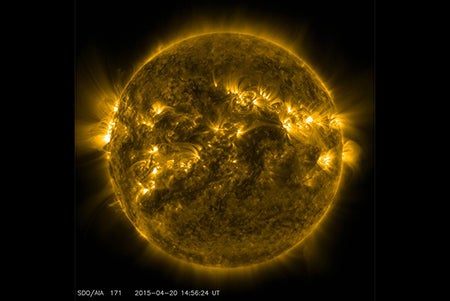
Could Tiny Fusion Rockets Revolutionize Spaceflight?
A small NASA-funded company is slimming down nuclear fusion reactors for space science

X-Ray Lasers Make Atoms Act Like “Black Holes” in Molecules
Findings could improve scanning of proteins, viruses and bacteria
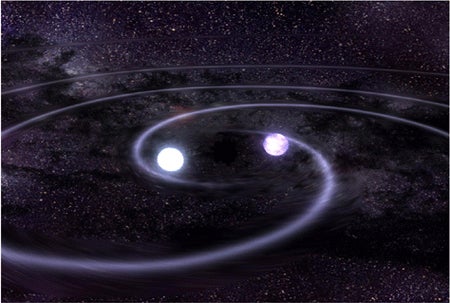
Rare Supernovae May Solve 40-Year-Old Antimatter Mystery
Most of the Milky Way’s antimatter may come from the explosive collisions of white dwarf stars
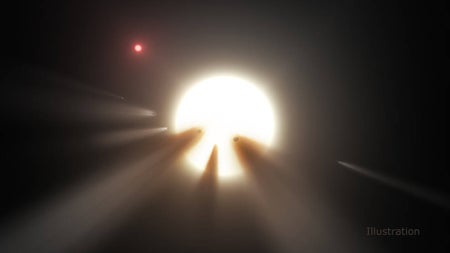
Bizarre Star Dims Again, and Astronomers Scramble to Catch It in the Act
A new observing campaign aims to understand a star that some have suggested might even host an alien civilization
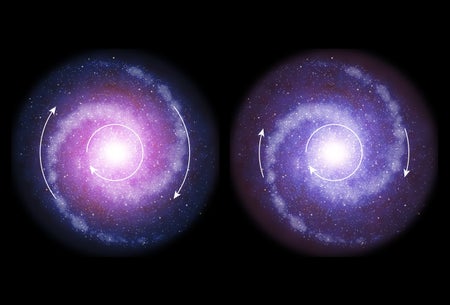
Dark Matter Did Not Dominate Early Galaxies
A new study finds the mysterious substance was at most a minor constituent of large galaxies in the early universe
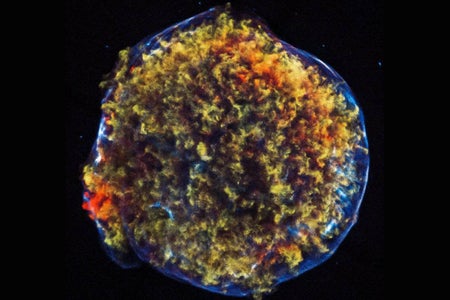
Astronomers Snap Supernova’s Baby Pictures
Images of an exploding dying star taken just a few hours after its detonation are revealing new details of stellar death
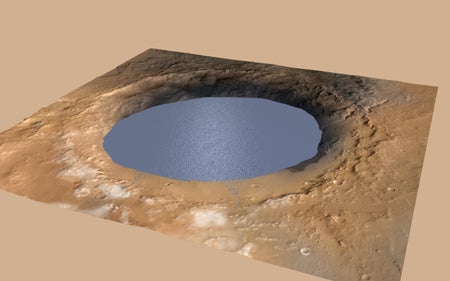
What Warmed Ancient Mars?
New data from NASA's Curiosity rover suggest a surprising dearth of greenhouse gases in the Red Planet's distant past
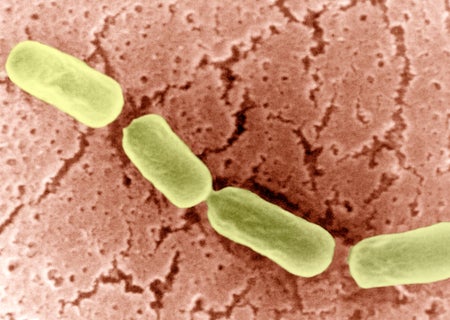
Prionlike Protein Spotted in Bacteria for First Time
Animals, plants and fungi may also harbor these infectious agents

Hunting Dark Matter between the Ticks of an Atomic Clock
Optical atomic clocks could detect planet-size flaws in a field that might help explain dark matter
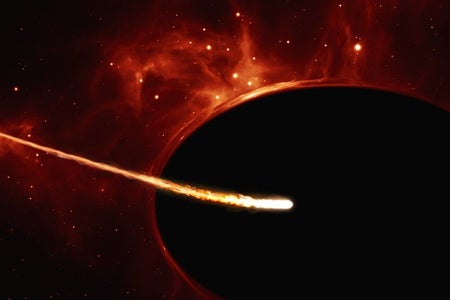
Brightest Supernova Ever Seen Was Produced by a Black Hole
A spinning, star-swallowing supermassive black hole can explain a superluminous explosion observed in 2015
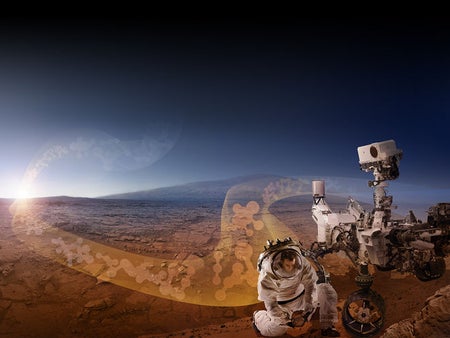
NASA Outlines Planetary Protection Priorities
A new report lists 25 "knowledge gaps" in our understanding of how to avoid cross-contamination between Earth and Mars
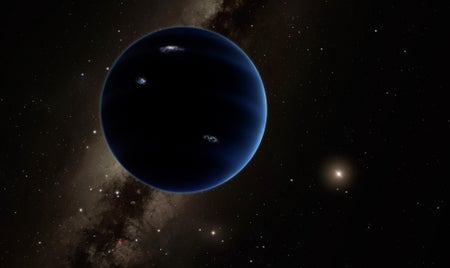
Closing in on a Giant Ghost Planet
Scientists have shrunk the hunting ground for the mysterious Planet Nine by half

Kirk and Shock: Star Trek Oral History Beams Fans Backstage
A Q&A with the writers of a new two-volume set that boldly goes to explore the “childish antics,” ego clashes, missed opportunities and prescient brilliance behind the scenes of one of TV’s most successful franchises